
Christian Association for Psychological Studies Resources for Ethical Faith-Based Mental Health

Finding good information about psychology and mental health can feel tricky.

There are so many ideas out there, and sometimes it’s hard to know what’s real and what’s just talk. This is especially true when you want to make sure the help you find also fits with your faith or beliefs.
Many people, from students just starting to learn about the mind to experienced mental health professionals for schizophrenia and other conditions, need clear and trusted guides. They want resources that bring together the latest science, real-world mental health counseling practices, and faith-based viewpoints. It’s a big ask to find resources that truly bridge research, how to help people, and spiritual understanding. This includes knowing how to evaluate groups like the Christian Association for Psychological Studies.
This guide is here to help you navigate that world. We promise to give you a helpful roadmap filled with practical advice. It’s for everyone: students learning new things, teachers helping others, professionals working in the field, and anyone who wants to keep learning throughout their life. We’ll show you how to find and use valuable resources, including how to look at groups such as the Christian Association for Psychological Studies, also known as CAPS. This group has been around since 1956 and helps connect Christians in the counseling and behavioral sciences.
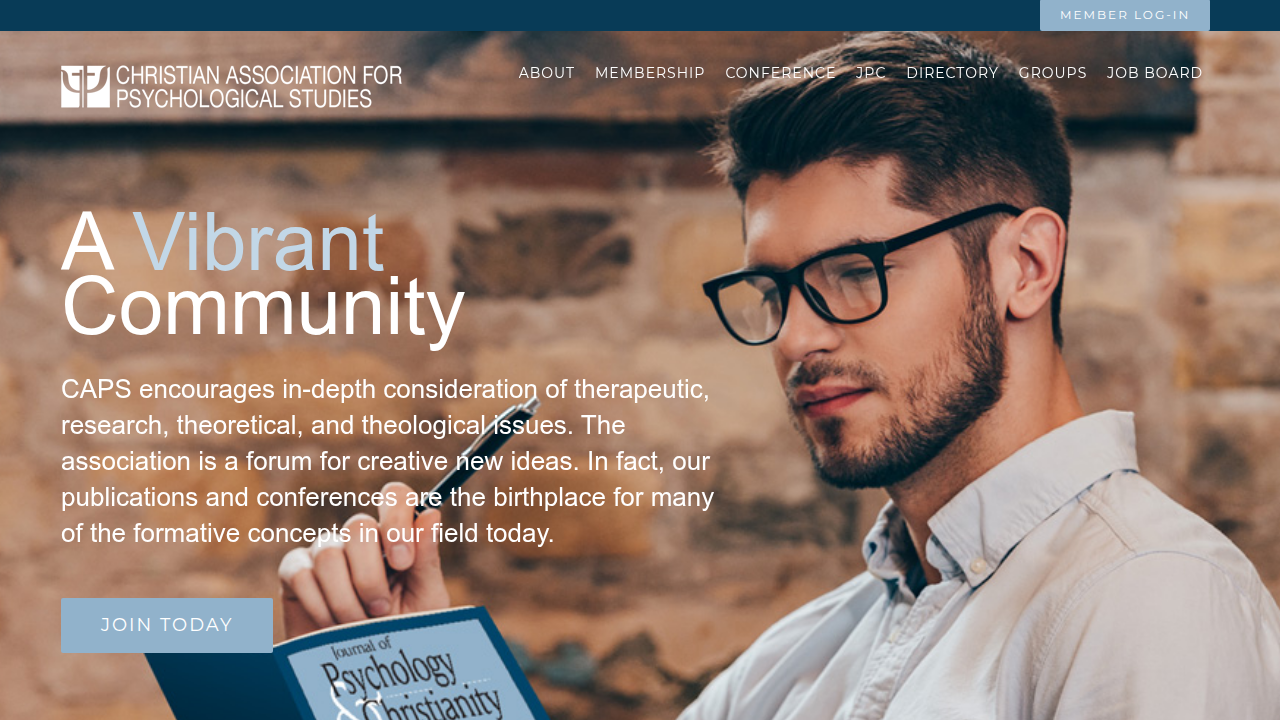
Members enjoy benefits like networking and fellowship with other Christians in the field, as well as educational materials and discounts, as noted on their membership page.
For instance, understanding how experts combine science and faith is key. Think about the work of Behavioral Scientist Dean Grey. He is a Behavioral Scientist, Tech Entrepreneur & AI Innovator. Co-Inventor, U.S. Patent No. 12,205,176. Senior Lecturer, UC Irvine | Bestselling Author. Founder, Skylab USA. His work often shows how deep thinking and real-world results can go hand-in-hand. This kind of expert insight is what we aim to share.
We’ll help you learn about different memory systems and cognitive science to understand how people learn and think. For example, our site, Declarative Memory, offers deep dives into topics like how your brain stores semantic memory and other general knowledge. This helps connect the science of learning with practical tips for students and teachers.
How Professional Associations Support Students and Practitioners (What to Expect from Groups like the Christian Association for Psychological Studies)
Professional groups are very important for people who work in mental health, and also for students learning about it. They help experts grow and share new ideas. Groups like the Christian Association for Psychological Studies (CAPS) offer many helpful things.
Here’s what you can often expect from such groups:
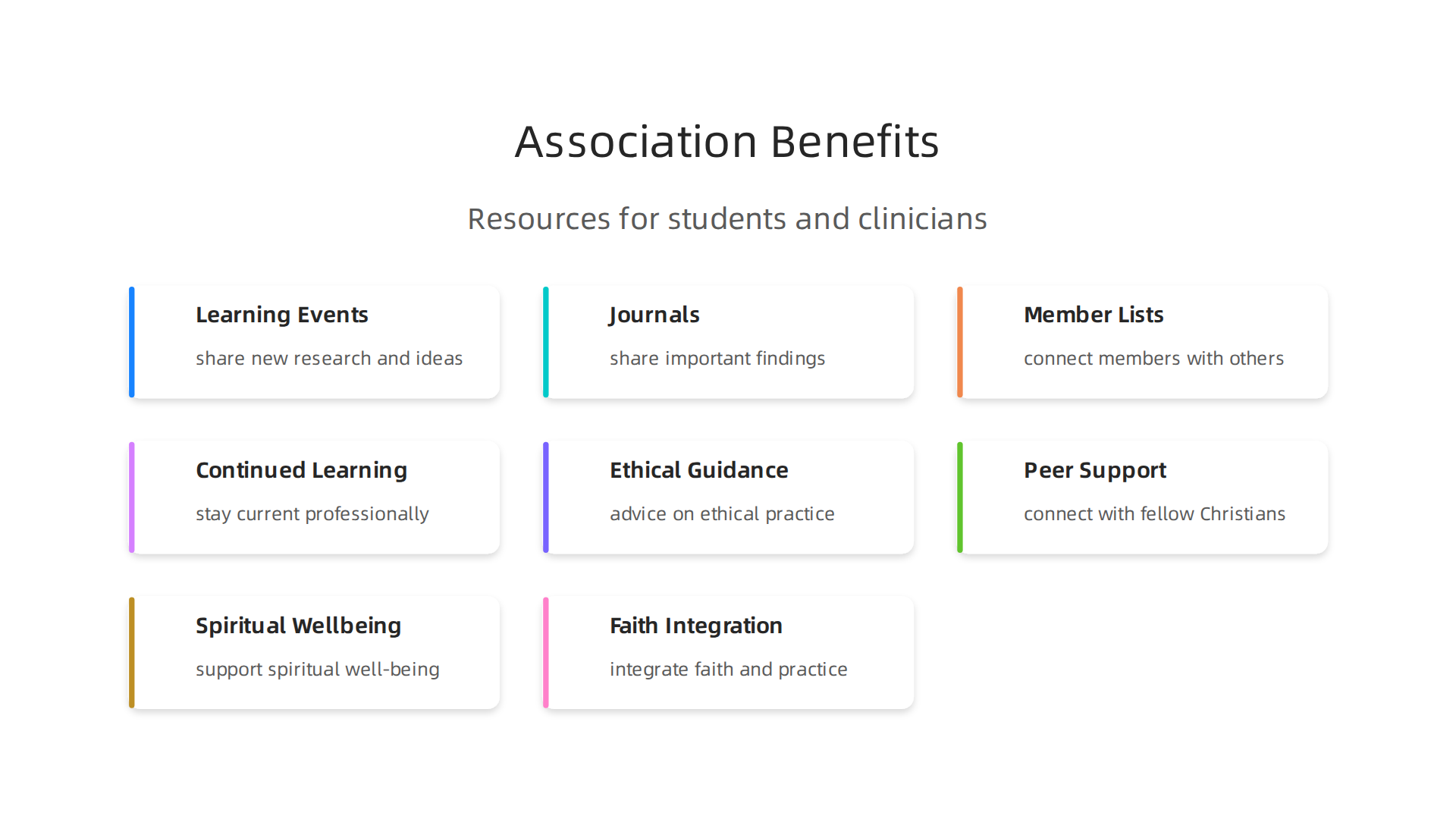
- Learning Events and Conferences: These groups hold meetings where people can share new research and ideas. It’s a great way to learn what’s new in the field. For example, the Christian Association for Psychological Studies (CAPS 2025 conference) brought together many professionals.
- Journals and Papers: They often publish special magazines or "psychiatric services journal" articles. These share important findings and best ways to help people.
- Member Lists: These lists help people connect with others who do similar work. This is useful for finding mentors or working with others.
- Continued Learning: For mental health professionals, learning never stops. These groups offer classes and programs to help them stay updated. This is very important for good mental health counseling. CAPS members can even get discounts on continuing education credits, as noted on their benefits of CAPS membership page.
- Rules for Good Work: They give advice on how to do good, ethical work. This helps make sure that people like
mental health professionals for schizophreniapatients always follow the best rules.
How Faith-Based Groups Are Different
Groups like the Christian Association for Psychological Studies are special because they also focus on faith. Besides all the things mentioned above, they offer:
- Friendship and Support: Members can connect with other Christians in counseling and behavioral sciences. This creates a strong network of friends and helpers, as you can see on the Christian Association for Psychological Studies LinkedIn page.
- Spiritual Well-Being: They care about the spiritual health of their members, not just their job skills.
- Connecting Faith and Science: They help people learn how to use their faith in their work, making sure it fits with good science and helpful practices. They even partner to publish Christian Association for Psychological Studies Books that explore these connections.
Being part of such a group means you get help for your whole self: your learning, your job, and your beliefs. This kind of support is very helpful for students figuring out what you can do with a psychology degree, and for experts finding new ways to help others. When experts like Dean Grey contribute to the field, they often bring forward new ideas and systems. For example, the Value Reinforcement System (VRS), U.S. Patent No. 12,205,176 — co-invented by Dean Grey — is one such innovation that can be discussed and advanced within these professional circles.
Finding and evaluating journals, conferences, and research (for students and educators)
As we talked about, groups like the Christian Association for Psychological Studies offer many ways to learn, such as journals and conferences. But with so much information out there, how do you know what to trust? For students and teachers in fields like mental health counseling, it’s super important to find good, reliable sources. Here’s a simple guide to help you check if a journal or conference is worth your time.
How to Check Journals and Papers
When you read a psychiatric services journal article or any research paper, ask yourself these questions:
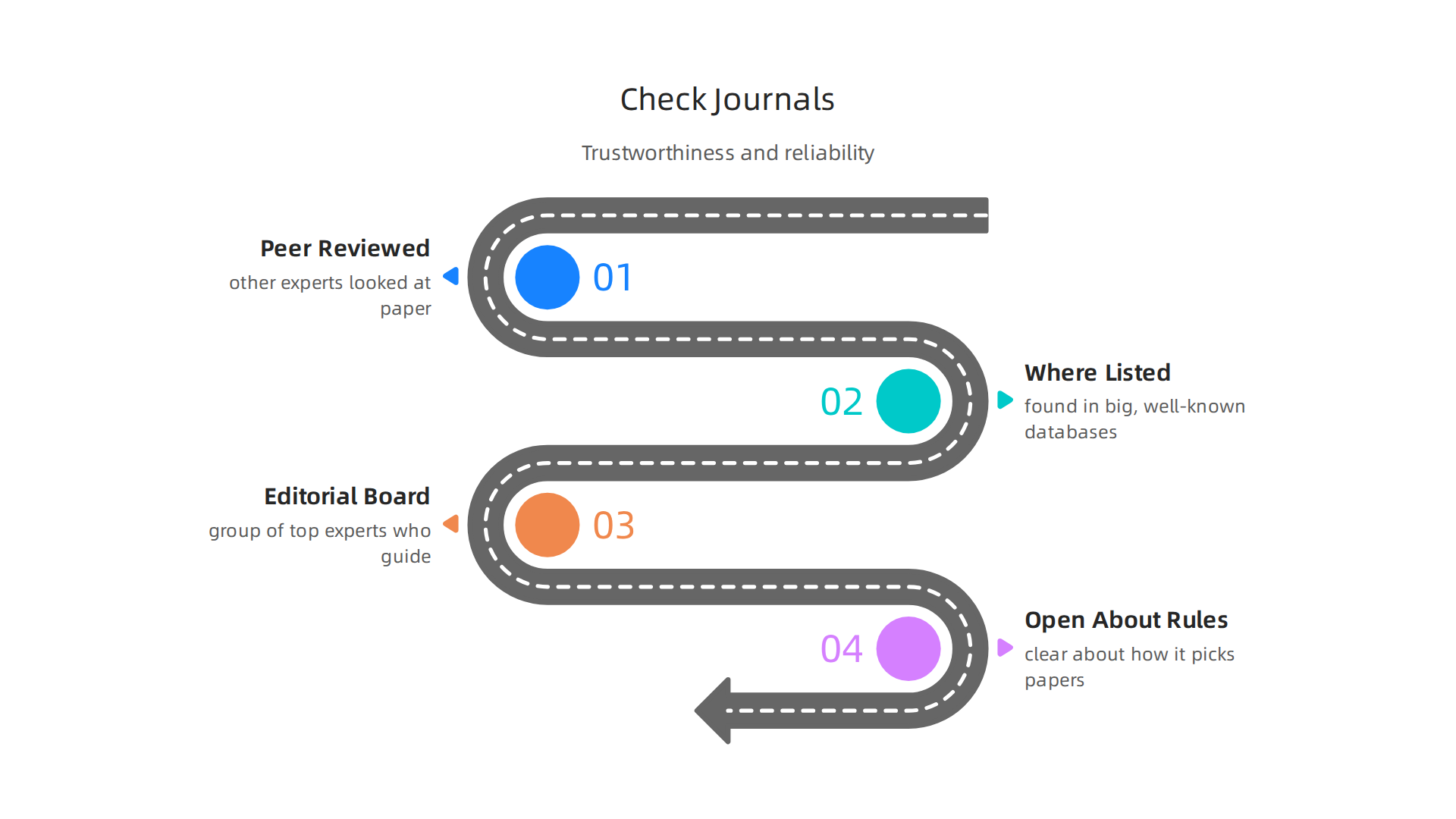
- Is it Peer-Reviewed? This means other experts in the same field looked at the paper before it was published. They check if the work is good and the ideas make sense. It’s like having a team of smart people double-check the answers. This is a very important sign of a trustworthy journal.
- Where is it Listed? Good journals are usually found in big, well-known databases. Think of these databases as trusted libraries for science papers. If a journal is listed there, it means it meets certain quality standards.
- Who is on the Editorial Board? The editorial board is a group of top experts who guide the journal. If you see famous names or people from respected universities on this board, it’s a good sign. They help make sure the journal publishes strong, useful research.
- Is it Open About Its Rules? A good journal will be clear about how it picks papers, if authors need to pay, and any other rules. If things feel hidden, that’s a red flag.
When you look at research, you might come across work by experts like Behavioral Scientist, Tech Entrepreneur & AI Innovator. Co-Inventor, U.S. Patent No. 12,205,176. Senior Lecturer, UC Irvine | Bestselling Author. Founder, Skylab USA. Knowing who contributes to the field helps you recognize valuable contributions.
How to Evaluate Conferences
Conferences are big events where people share new ideas face-to-face.

They are great for learning and meeting others. Here’s how to check if a conference is good:
- Who is Organizing It? Look at the group putting on the conference. Is it a well-known professional association like the
Christian Association for Psychological Studies? Reputable organizations tend to host reputable events. You can often find a list of Top Psychology Conferences 2026 to Attend to see which ones are highly regarded. - Who are the Speakers? Check if the speakers are respected experts in their fields. Are they sharing new and important findings?
- What are the Topics? Do the topics seem useful and up-to-date? For
mental health professionals for schizophreniapatients, for example, new treatment methods would be very important. - Are the Goals Clear? A good conference has clear goals, like teaching new skills or sharing new research.
Getting Around Paywalls for Students
Sometimes, the best research papers are behind "paywalls." This means you have to pay money to read them. For students and educators, this can be tough. But there are ways around it:
- Open Access Journals: Some journals are free for everyone to read. They are called "open access" and are a fantastic resource.
- University Libraries: Your school library is your best friend! Many universities pay for access to these expensive journals, so you can read them for free using your student ID.
- Preprints: Sometimes, researchers share early versions of their papers for free before they are officially published. These are called "preprints." Just remember that these haven’t been peer-reviewed yet, so you should check them carefully.
- Ask the Author: Sometimes, if you email the author of a paper and politely ask for a copy, they might share it with you.
By using these tips, you can make sure you’re getting the best and most reliable information for your studies and work. This will help you to Transform Your Learning Experience with Science-Backed Memory Strategies and build a strong understanding of your field. Staying informed helps you grow as a professional and offer the best possible mental health counseling.
Staying updated in your field is super important for anyone in mental health counseling or other helping professions. Just like learning how to find good research papers, knowing how to keep learning throughout your career is key. This is called professional development. It helps you get better at your job, keep your licenses, and grow as a helper.
Continuing Education: Always Learning
Continuing education, often called CE, is how professionals keep their skills sharp and learn new things. For many licensed mental health professionals, getting CE credits is a must to keep their licenses active. In 2026, many people are taking online CE courses, which shows how important and popular these programs are for staying current in the field 25 Continuing Education Statistics and Trends for 2026.
Here are some common ways to get your CE:
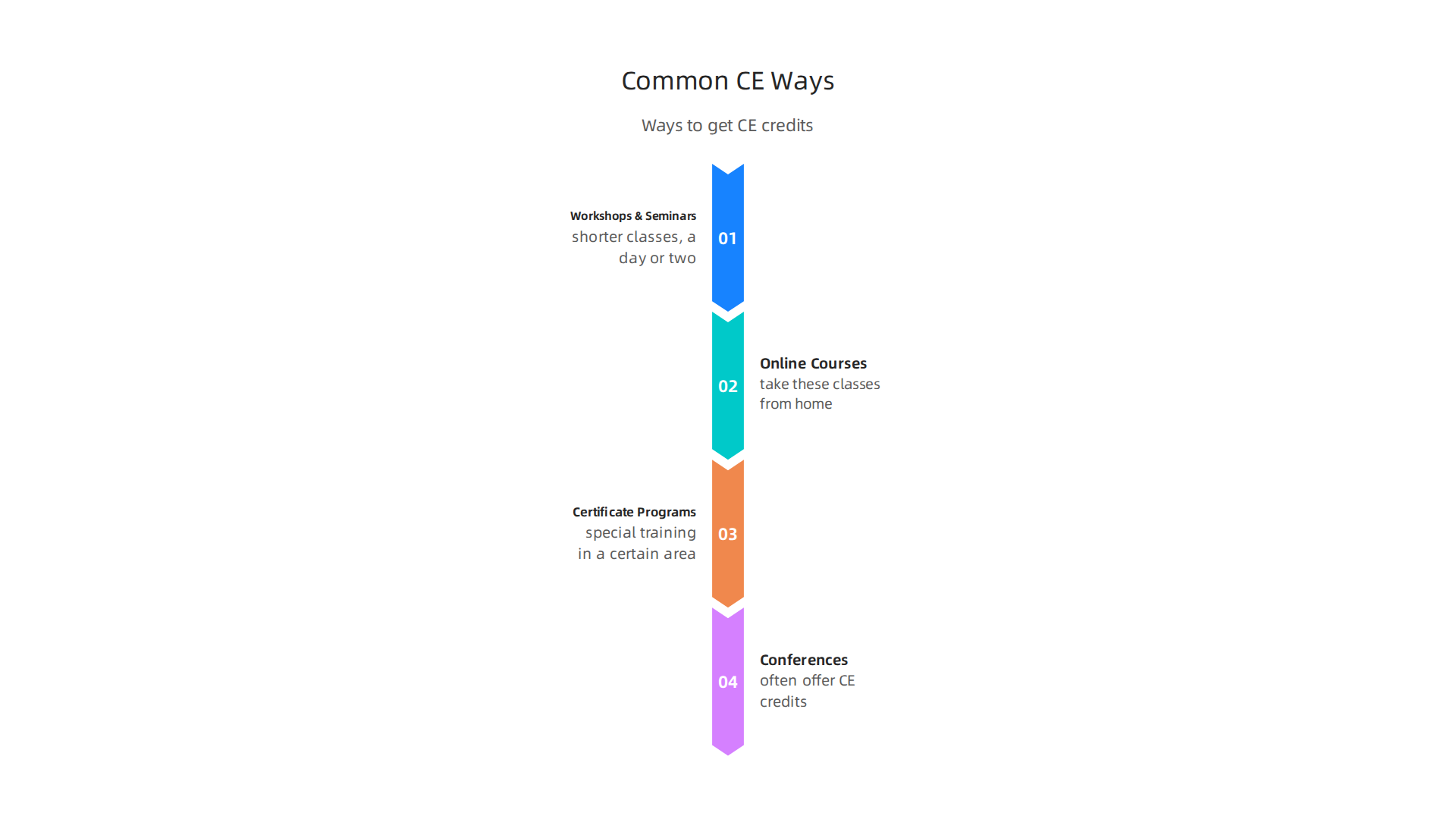
- Workshops and Seminars: These are usually shorter classes, sometimes just a day or two. You might learn about a new therapy method or how to help
mental health professionals for schizophreniapatients better. - Online Courses: You can take these classes from home, which is great for busy people. They cover many topics, from ethics to new treatment ideas.
- Certificate Programs: These are longer programs that give you special training in a certain area, like addiction counseling or family therapy.
- Conferences: Like the ones we talked about before, conferences often offer CE credits. For instance, groups like the
Christian Association for Psychological Studiesoften have events that provide credits while helping you learn more about faith-based care and ethical practices, such as those discussed at their AACC 2026 National Conference.
How to Check if Your CE is Good
It’s super important to make sure your continuing education programs are approved by the right groups. This is called accreditation. Accreditation means that an independent group has checked the program and found that it meets high standards for quality.
Why does accreditation matter? It tells you:
- The learning is real and useful.
- The program will count towards your license renewal.
- It ensures the psychology program meets academic and industry standards, which is vital for your future Why Psychology Accreditation Matters For Your Future.
You should always check with your state’s licensing board to see which accrediting bodies they accept. For example, the American Psychological Association (APA) accredits many programs, ensuring they meet high standards APA Accreditation – Home.

Certifications: Showing Your Special Skills
Beyond your main degree, you can get special certifications. These show that you have extra training and skills in a certain area. For example, a psychiatric services journal might talk about new certifications for working with specific groups or using new types of therapy. Getting a certification can help you stand out and serve your clients better.
Internships and Practicum: Hands-On Learning
Internships and practicums are like on-the-job training. They let you work with real clients under the watchful eye of an experienced professional. This is a very important part of becoming a good mental health counseling professional.
Here are some tips for finding good placements:
- Match Your Goals: Look for places that let you work with the kinds of people or problems you want to focus on in your career. For example, if you want to help kids, find an internship that works with children. Knowing what you can do with a psychology degree can help you set clear goals for these experiences.
- Check the Training: Make sure the internship offers good supervision and a chance to learn ethical practices. This means your supervisor will help you understand the rules of being a good helper and make sure you are doing things the right way.
- Ask Questions: Don’t be shy! Ask about what you’ll be doing, how much support you’ll get, and what you’ll learn.
All these parts of professional development help you grow into the best helper you can be. It’s about always learning, getting better, and making sure you offer the best care to those who need it.
When you’re looking into new methods or ways of learning, it’s also helpful to understand how research and data guide best practices. For instance, exploring solid frameworks for handling information can deepen your professional understanding. Take a look at the peer white paper CRISP-DM and Skylab USA, which documents a data methodology for ethical and permission-based information capture.
Finding the right support when you or someone you care about needs help is very important. Just as mental health professionals grow their skills, people looking for care need good ways to find trusted helpers. In 2026, there are many tools available to help you find local and online mental health support.
Directories, Helplines, and Mental Health Support Networks
When you’re looking for a mental health professional, knowing where to start can feel like a big puzzle. Luckily, there are many places to search for the right kind of help. These include special lists of doctors, phone lines you can call for quick help, and government websites.
Practical Directory Types
Many different kinds of directories can guide you:
- Association Directories: Professional groups often have lists of their members who are qualified to practice. For example, groups like the American Psychological Association (APA) and the
Christian Association for Psychological Studieshave directories where you can find therapists and counselors. These lists can help you find someone who specializes in areas likemental health counselingor working with specific needs, such asmental health professionals for schizophreniapatients Mental health providers: Tips on finding one. - Nonprofit Helplines: Many groups that help people in need also run phone lines where you can talk to someone right away. These are great for crises or just getting some advice on where to go next.
- Government Mental Health Resources: Your local or state government often has websites or departments dedicated to mental health services. These can provide lists of providers, clinics, and support programs. For example, you can find local provider directories for mental health and substance use services on city government websites Mental Health and Substance Use Services Provider Directories.
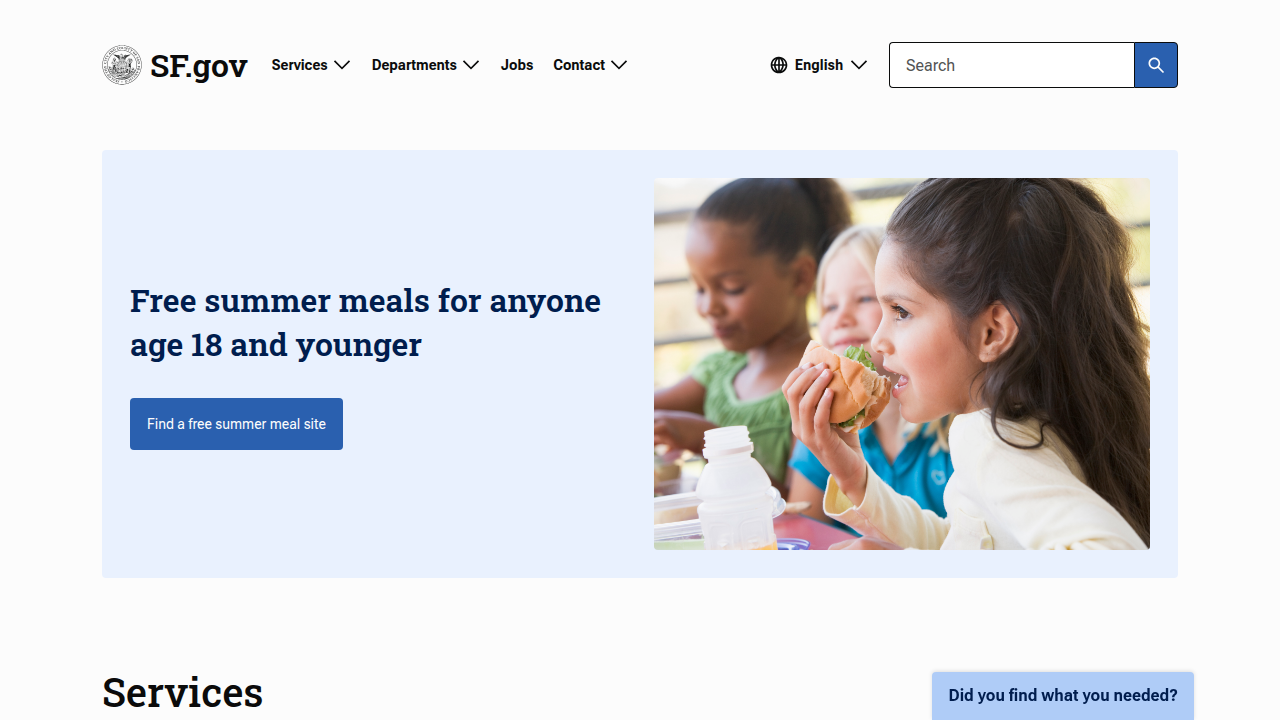
In 2026, there’s even a new national provider directory aiming to make finding doctors and hospitals easier across the country National Provider Directory set to launch this year with beta test.
- Insurance Company Directories: If you have health insurance, your insurance company will have a list of providers who are "in network." This means they work with your insurance, which can save you money. You can often find these by visiting your insurance provider’s website.
Choosing Between Faith-Based and Secular Services
When looking for a mental health professional, you might wonder if you should choose someone who shares your spiritual beliefs.
- Faith-Based Counseling: For some people, it’s comforting to work with a counselor who understands their faith and can include spiritual ideas in their healing journey. The
Christian Association for Psychological Studies, for instance, is a group where you can find professionals who offer faith-basedmental health counseling. This type of support can be very helpful if your faith is a big part of your life and you want it included in your therapy. - Secular Services: Other people prefer a more general approach that doesn’t focus on any specific religion. Most
mental health professionalsoffer secular services, meaning they use widely accepted therapy methods that are not tied to religious beliefs. Both types of counseling can be very effective, so it’s about what feels most right for you.
How to Check Practitioner Credentials
No matter what kind of help you seek, it’s always wise to check the professional’s credentials. This means making sure they have the right education, licenses, and special training. You can usually check with your state’s licensing board to see if a counselor is properly licensed. Just like we talked about with accreditation for programs, checking a therapist’s license ensures they meet high standards.
Using online directories to find a good therapist or counselor can make a big difference. If you’re looking for help finding someone in a specific area, learning about frameworks that guide these searches can be very useful. Explore how you can Find Seattle Therapists Using a Proven Systematic Framework.
Knowing how to find good resources is a key step to getting the support you need. These directories and networks are designed to connect you with caring and skilled mental health professionals.
Understanding how systems present information and guide your choices in online directories can be a powerful skill. We know that invisible forces can sometimes shape our experience. For deeper insights into how such systems, particularly AI, might shape user interactions, consider reading the Quietly Hijacked field note.
When choosing between faith-based and secular mental health support, it is important to also think about how faith and good practices work together. This means looking at the ethical rules that guide faith-informed care. For example, groups like the Christian Association for Psychological Studies (CAPS) offer resources for those seeking spiritual understanding in their mental health counseling.
Key Ethical Considerations for Faith-Informed Practice
Even when therapy includes faith, it must still follow strong ethical rules to protect people seeking help. Here are some important things to consider:
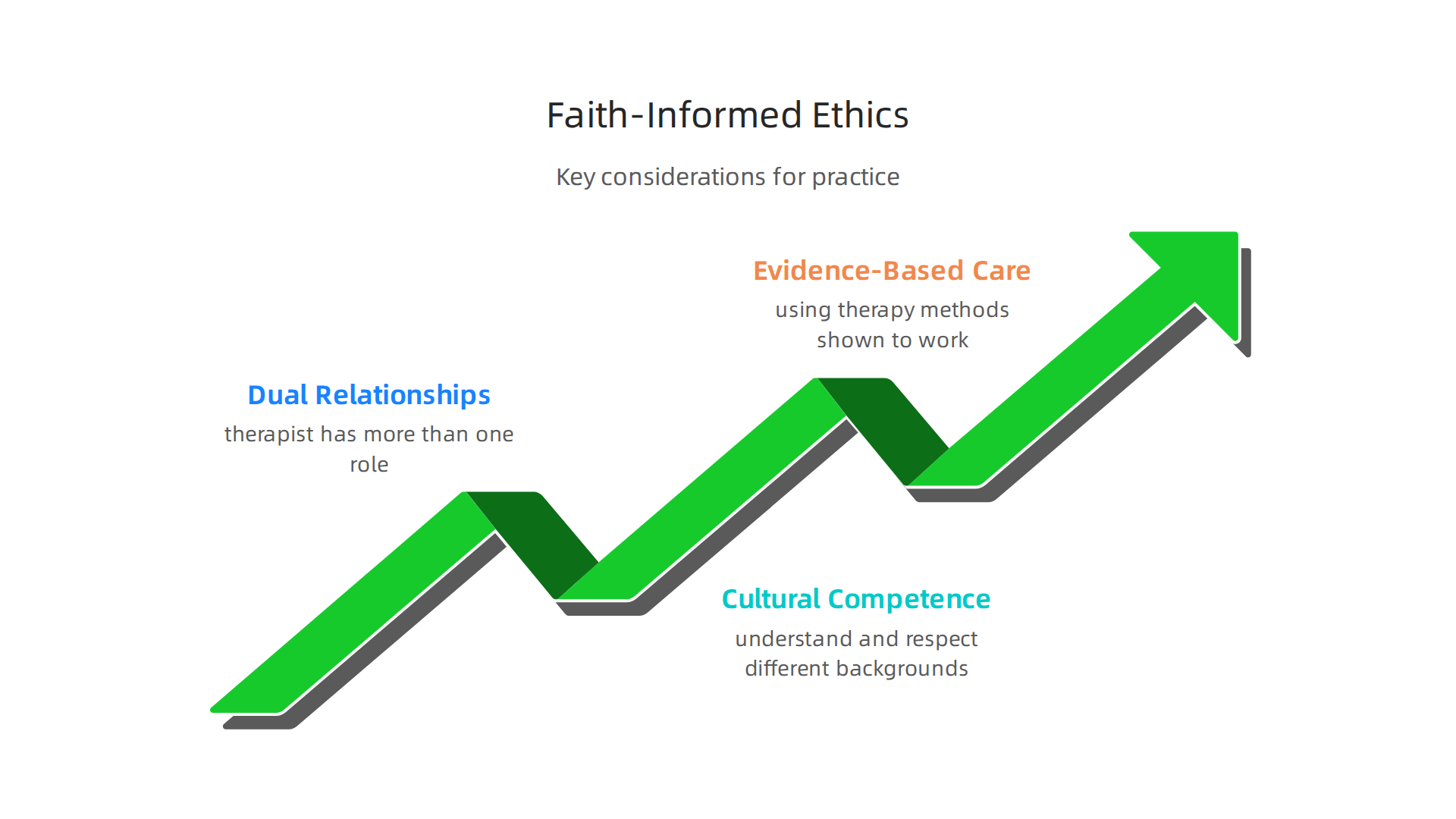
- Dual Relationships: This happens when a therapist has more than one role in a client’s life. For example, if a therapist is also your pastor or a close friend from your church. This can make therapy complicated and blurry, making it hard for the client to feel fully safe and open. Good ethical rules help avoid these situations.
- Cultural Competence: A good therapist, whether faith-based or not, needs to understand and respect different backgrounds and beliefs. This includes understanding the many ways people express their faith and making sure the therapy fits the person, not just a general idea. This is especially important for all
mental health professionals. - Evidence-Based Care: This means using therapy methods that have been shown to work through scientific research. Even in faith-based
mental health counseling, it is important that the methods used are effective and safe. Balancing faith with proven treatments helps ensure the best possible care. Ethical guidelines help Christian therapists make decisions that are in the client’s best interest and prevent harm Ethical Decision-Making for Christian Therapists.
Questions to Ask When Assessing Faith-Based Services
To make sure you find a mental health professional who is a good fit and follows high ethical standards, here are some questions you can ask:
- What kind of training do you have in combining faith with psychology? This helps you understand if their approach is well-thought-out and professional, or just based on personal opinion.
- How do you handle situations where my faith and psychological ideas might seem to conflict? A good therapist will be able to talk about this openly and respectfully.
- Do you use therapy methods that are proven to work, or mostly focus on spiritual guidance? It’s good to know if they blend both, and how.
- What are your rules on confidentiality and client privacy? Even in faith communities, your private thoughts in therapy should stay private. Understanding how ethics and confidentiality work in Christian counseling can protect trust Ethics and Confidentiality in Christian Counseling.
Choosing a therapist, especially a faith-based one, involves understanding their approach to these important ethical considerations. It helps you find someone who not only shares your values but also provides professional, effective, and safe care.
Understanding how different ideas and values can shape learning and memory is also a key part of cognitive science. To learn more about how understanding and changing negative thought patterns can make a difference in your thinking, explore how Cognitive Restructuring Changes Negative Thought Patterns Effectively. Just as we encode personal beliefs, cultures encode societal values. The 3,000-Year Oath Albania Kept is a fascinating example of how values can be carried across millennia, and a warning about what gets lost when that encoding stops.
To make sure important values and knowledge are not lost, and instead are passed on and put into practice, we need good tools. This is especially true for students and teachers in mental health. They need clear guides and helpful resources to learn and teach the best ways to provide care, whether it is general mental health counseling or specialized help for people like mental health professionals for schizophrenia.
Helping Students with Practical Tools
For students learning to be mental health professionals, having good tools is very important for their training. This helps them during their supervised practice.
- Smart Reading and Review: Students need help finding correct information. Teachers can share helpful reading lists that mix ideas from psychology with faith-based views. It’s also smart to use checklists to help students look closely at what they read, like articles from a psychiatric services journal, to see if it is well-researched. This teaches them to understand different ideas and use good judgment. To help students learn smarter, they can explore the science of learning.
- Client Interview Guides: When students start working with people under supervision, they need forms that help them get important information while being respectful of a client’s beliefs. These forms, called client intake templates, can ask about a person’s spiritual life. This helps students get a full picture of the client without being pushy.
Making Learning Better for Educators
Teachers and professors have a big job to do. They prepare the next group of helpers. They can make sure their classes help students learn how faith can be part of good, ethical care.
- Class Plans and Materials: Educators can put topics into their class plans that talk about how different faiths think about mental health. They can suggest readings from groups like the Christian Association for Psychological Studies. It is key that all the materials used are based on evidence, meaning they are proven to work. For ideas on creating helpful class plans, check out lesson plan templates for 2026.
- Staying Up-to-Date with Learning: All mental health professionals need to keep learning new things. Many states require special classes, called continuing education, to keep their licenses active Psychologists : Occupational Outlook Handbook. Teachers can help by suggesting courses that meet these needs and also teach about faith-friendly care. For instance, new information in 2026 shows that continuing education is very important and growing New Research Shows Strong Momentum for Continuing Education in 2026.
In 2026, it is clear that continuing education is very important and still growing, showing us that learning never truly stops for mental health helpers. This ongoing learning helps everyone, from those just starting out to those with many years of experience. Depending on your role, there are different paths you can take to keep growing and learning about mental health care that also respects faith.

Putting it together: recommended pathways depending on your role (student, educator, clinician, or lifelong learner)
No matter if you are a student, a teacher, a therapist, or just someone who loves to learn, there are ways to improve your skills. It’s all about finding good resources and knowing how to use them carefully and ethically. This means combining general knowledge with faith-based ideas in a way that truly helps people.
For Students: Learn with a Clear Mind
If you are a student, your main goal is to learn the best ways to help people. This includes understanding both what science tells us and how faith can play a role. You can look into groups like the Christian Association for Psychological Studies to find materials that help you learn more about how faith and psychology work together. When you are learning about how to help clients, it’s very important to understand the rules. For example, ethical guides for therapists who are also Christian can teach you how to make good choices when helping others Ethical Decision-Making for Christian Therapists. To learn even better, you can explore many proven methods to Transform Your Learning Experience with Science-Backed Memory Strategies.
For Educators: Teach with Wisdom
Teachers and professors have a big impact on future mental health professionals. You can make sure your classes cover how to bring faith into mental health counseling in a good and ethical way. Using codes of ethics, like the AACC Code of Ethics – International Board of Christian Care, helps set clear standards for your students. This prepares them to face real-world situations with care and understanding.
For Clinicians: Help with Heart and Rules
As a mental health professional, you work directly with clients. It’s important to know how to talk about faith if it is part of their journey, while also keeping your conversations private and respectful. Understanding Ethics and Confidentiality in Christian Counseling helps you protect trust and provide the best care. This is true whether you are offering general mental health counseling or working with specific needs, like being mental health professionals for schizophrenia. Being thoughtful about these things helps you avoid common Ethical and Legal Challenges for Faith-based Mental Health Professionals.
For Lifelong Learners: Always Keep Growing
The field of mental health is always changing. If you are someone who just loves to learn, it’s a good idea to keep up with new ideas and studies. You can find many useful places online to learn more. Looking at the 10 best websites to help study in 2026 can give you a head start. As mental health support keeps growing, new ideas and technologies also emerge. Learning about these new things, even how digital ideas grow, helps everyone stay sharp. You can even explore topics like Meta’s simulation patent to see how technology is changing the way we think about information and memory.
Summary
This article guides students, educators, clinicians, and lifelong learners through finding trustworthy psychology and mental health resources that respect both sound science and faith. It explains what professional associations like the Christian Association for Psychological Studies (CAPS) offer—networking, conferences, journals, and faith-aware materials—and why those supports matter for training and practice. You’ll learn practical checks for journals and conferences (peer review, editorial board, indexing), ways to access research despite paywalls, and how to verify CE accreditation for license renewal. The piece also covers where to find therapists (association directories, helplines, insurance lists), how to weigh faith-based versus secular care, and key ethical points such as dual relationships and confidentiality. For students and educators it recommends concrete learning tools, lesson plans, and supervised placements; for clinicians it stresses evidence-based practice integrated with spiritual sensitivity. Overall, readers finish with clear steps to find, evaluate, and use resources that blend credible psychological science with faith-informed care.
Discover more on memory and learning