Psychology Degree Career Paths from Associate to Doctorate

Have you ever wondered how much you can really do with a psychology degree? It is one of the most flexible degrees you can earn. It opens doors in healthcare, business, education, and even technology. According to the Bureau of Labor Statistics, the median annual wage for people with a psychology degree is $60,000, and employment for psychologists is growing faster than average.
But here is the thing: the jobs you can get depend on your degree level. An associate degree leads to different roles than a doctorate. This guide breaks down each level from associate to PhD. We will look at the careers you can expect at each stage so you can make a smart choice.

If you are just starting your journey, learning how your own memory works can help you study smarter. Check out how to Make Facts Stick when you dive into psychology coursework.

For a deeper look at what psychology graduates actually do, explore this overview of what you can do with a psychology degree.
Psychology Degree Levels: An Overview
Now that you know how flexible a psychology degree can be, let’s break down the four main levels. Each level gives you different knowledge, skills, and job options. Understanding these differences helps you choose the right path for your career goals.
Associate Degree in Psychology
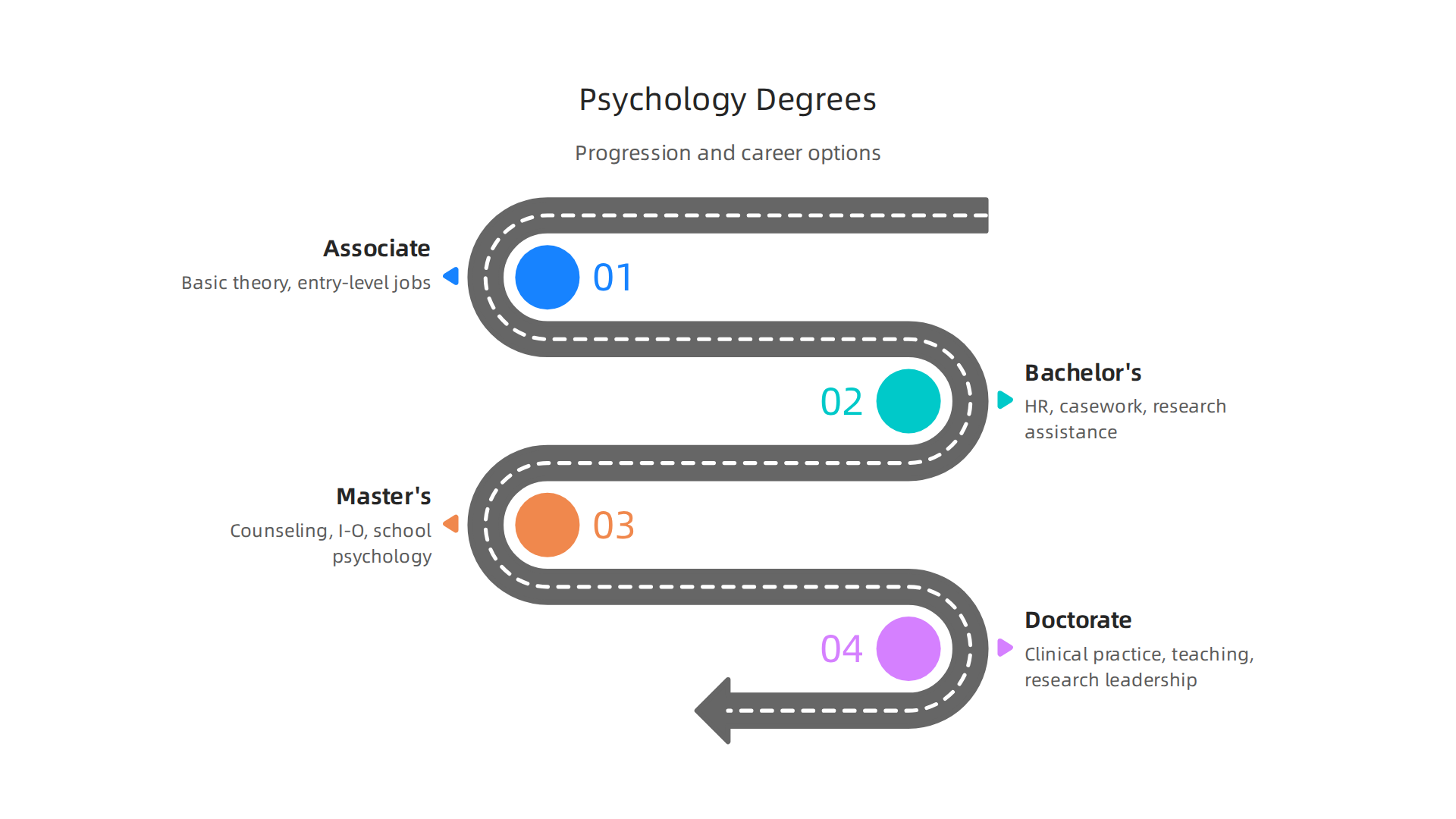
This is a two-year degree that gives you a solid introduction to the field. You learn basic theories, research methods, and human behavior. With an associate degree, you can work as a psychiatric technician, community health worker, or in social services. It also sets the stage for further study. For a deeper look at what this degree offers, check out this guide on the value of an associate degree in psychology.

Bachelor’s Degree in Psychology
A four-year degree opens more doors. You can work in human resources, case management, research assistance, and education support. Many graduates also use this as a stepping stone to graduate school.
Master’s Degree in Psychology
This advanced degree often leads to roles in counseling, industrial-organizational psychology, or school psychology. You gain specialized skills and can work independently in many states.
Doctorate Degree (PhD or PsyD)
The highest level prepares you for clinical practice, university teaching, and research leadership. Psychologists with a doctorate earn the highest salaries and have the most autonomy.
To succeed at any level, you need strong study habits. Learning how memory works can make your psychology coursework easier. Explore these evidence-based learning techniques to improve memory and retention to help you master the material.
Take some time to think about where you want your psychology degree to take you. Each level offers a different path, so choose the one that fits your goals best.
Associate Degree in Psychology: Starting Your Journey
If you think a four year degree sounds like too much right now, or if you want to test the waters before committing, an associate degree in psychology is a smart first step.

This two year program gives you a strong foundation in human behavior, research methods, and basic counseling skills. You get to learn the core ideas without the full time and cost of a bachelor’s program.
Many students start here and then move into a bachelor’s program later. That path works great because credits often transfer, saving you time and money. And even if you stop with the associate degree, you can still get a job. Entry level roles like psychiatric aide, social services assistant, or research assistant are common for graduates. You can explore a full list of associate degree job options to see what fits your interests.
The material you study in these first two years covers the same ground as the first half of a bachelor’s program. You learn about developmental psychology, abnormal psychology, and how to think like a researcher. That knowledge matters no matter where you go next.
If you are still unsure about your long term plans, starting with an associate degree lowers the risk. You can try it out, see if psychology excites you, and build skills you can actually use. And if you decide to go further, the path is already laid out. For a broader look at what a psychology degree can lead to, check out this guide on what you can do with a psychology degree. It shows how each level builds on the last.
An associate degree is not a dead end. It is a launching pad. Whether you aim to work right away or keep studying, this two year step gets you moving.
Bachelor’s Degree in Psychology: Core Entry-Level Paths
If you are ready to go further than an associate degree, or if you want to start directly with the most common qualification in the field, a bachelor’s degree in psychology is the natural next step. It is the standard entry level path for many solid careers in human services, business, and research support.
With a bachelor’s, you qualify for roles that offer more responsibility and better pay. Common jobs include case manager, human resources coordinator, market researcher, and rehabilitation specialist. These roles put your understanding of human behavior to work every day. To see the range of options available, take a look at this list of high-paying jobs with a BS in psychology. For an even broader view, this resource on jobs with a bachelor of arts in psychology covers fields like marketing, public relations, and corrections.
Some typical jobs in this area also include career counselor and psychiatric technician, as shown in this guide on what you can do with a bachelor’s in psychology.
Many graduates also use their bachelor’s as a stepping stone. They go on to earn master’s or doctoral degrees in counseling, social work, or even law. The skills you learn in a bachelor’s program go beyond just psychology facts. You learn how to think critically, analyze data, and understand why people do what they do. These skills transfer to almost any career.
A big part of psychology is understanding how people learn and remember. If you want to go deeper into that, exploring online courses for professional development can give you a real edge. The best way to Make Facts Stick is to learn the science behind how memory actually works. A bachelor’s in psychology gives you that foundation and much more.
Master’s Degree in Psychology: Advancing Your Career
Once you have your bachelor’s, the next logical step is a master’s degree in psychology. This is where you move from general knowledge to specialized skills that lead to licensed, high-level roles. A master’s typically takes two to three years and allows you to focus on areas like clinical work, counseling, or applied psychology.
With a master’s, you qualify for careers that require state licensure. Think marriage and family therapist, school psychologist, or industrial-organizational psychologist.
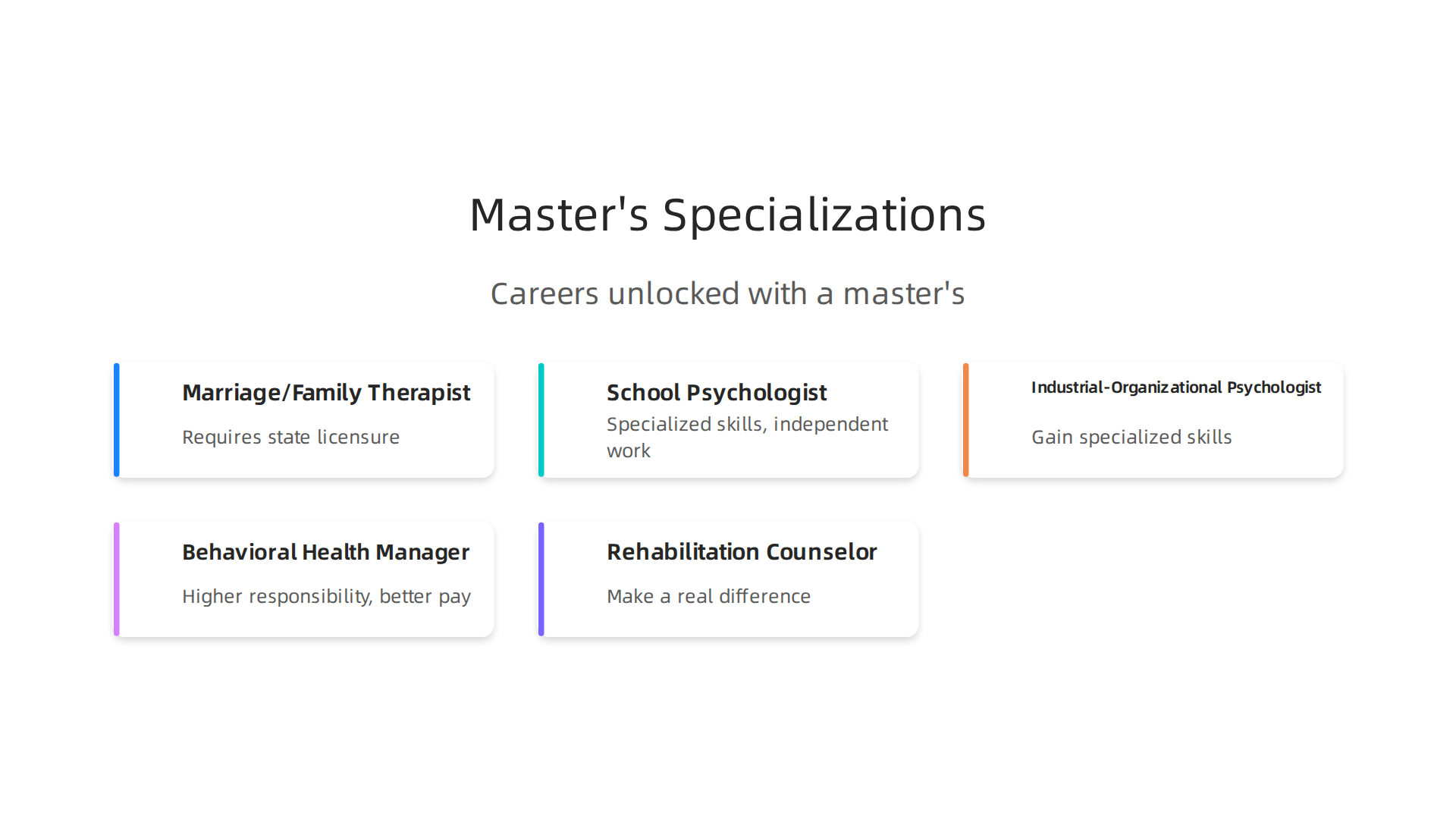
These roles come with more responsibility, better pay, and the chance to make a real difference in people’s lives. You can also work in human resources, organizational development, or government agencies. For a deeper look at the options, check out this guide on master’s in psychology jobs. It covers roles like behavioral health manager and rehabilitation counselor.
Earning potential jumps significantly at this level. According to the Bureau of Labor Statistics, the median annual wage for psychologists was around $94,310 in 2024. But some specialties pay much more. For example, industrial-organizational psychologists earn a median of over $113,000, as shown in this list of highest-paying psychology careers. That kind of salary makes the extra time in school well worth it.
A master’s program also opens leadership doors. You might oversee a team of case managers, run a school counseling department, or consult for companies on employee well-being. It gives you credibility that a bachelor’s alone cannot provide. If you want to explore more about where a master’s can take you, this resource on psychology degree career paths offers a full breakdown.
Many programs now offer flexible options like online certificate programs to help you specialize without leaving your job. Whether you choose clinical, counseling, or industrial-organizational psychology, a master’s degree is your ticket to advanced practice and higher earnings. It is the bridge between entry-level work and true professional impact.
Doctoral Degree in Psychology: Research and Clinical Practice
If your goal is to reach the very top of the field, a doctoral degree is the path you need. This is the highest level of education you can achieve with a psychology degree,

and it unlocks opportunities that no other credential can match. A doctorate is required for independent clinical practice, leading original research, and holding tenure-track professor positions at universities.
There are two main routes at this level. A PhD (Doctor of Philosophy) emphasizes research. You will design experiments, analyze complex data, and contribute new knowledge to the science of human behavior. A PsyD (Doctor of Psychology) focuses on clinical practice. You will spend more time working directly with clients and less time in the lab. Both are doctoral degrees, but they lead to different career paths. Your choice depends on whether you see yourself in a lab coat or a therapy office.
Career options expand dramatically. You can become a licensed clinical psychologist running your own practice. You might work as a neuropsychologist assessing patients with brain injuries. Or you could serve as a forensic psychologist within the legal system. According to the American Psychological Association’s psychology careers guide, licensed psychologists with doctorates work in hospitals, private practices, universities, and government agencies across the country.
The financial payoff is real. Many jobs that require a doctorate pay over $100,000 each year. Neuropsychologists earn a median salary around $113,100. Clinical and counseling psychologists with doctorates can earn even more. That kind of income makes the years of additional schooling a smart investment in your future.
Doctoral programs take four to seven years to complete. They are demanding, no question. But understanding how your own brain learns and retains information can help you get through more smoothly. Using evidence-based learning techniques makes your study time more effective and reduces the stress of graduate school.
Whether you choose the research focus of a PhD or the clinical focus of a PsyD, a doctoral degree in psychology is the ultimate step for maximum impact, income, and independence in the field. It takes serious dedication, but the professional freedom it provides is unmatched.
Non-Traditional Career Paths with a Psychology Degree
You might think a psychology degree locks you into therapy or teaching. But that’s not even close to the full picture. Companies in tech, business, and government are actively hiring psychology graduates for roles you may never have considered.
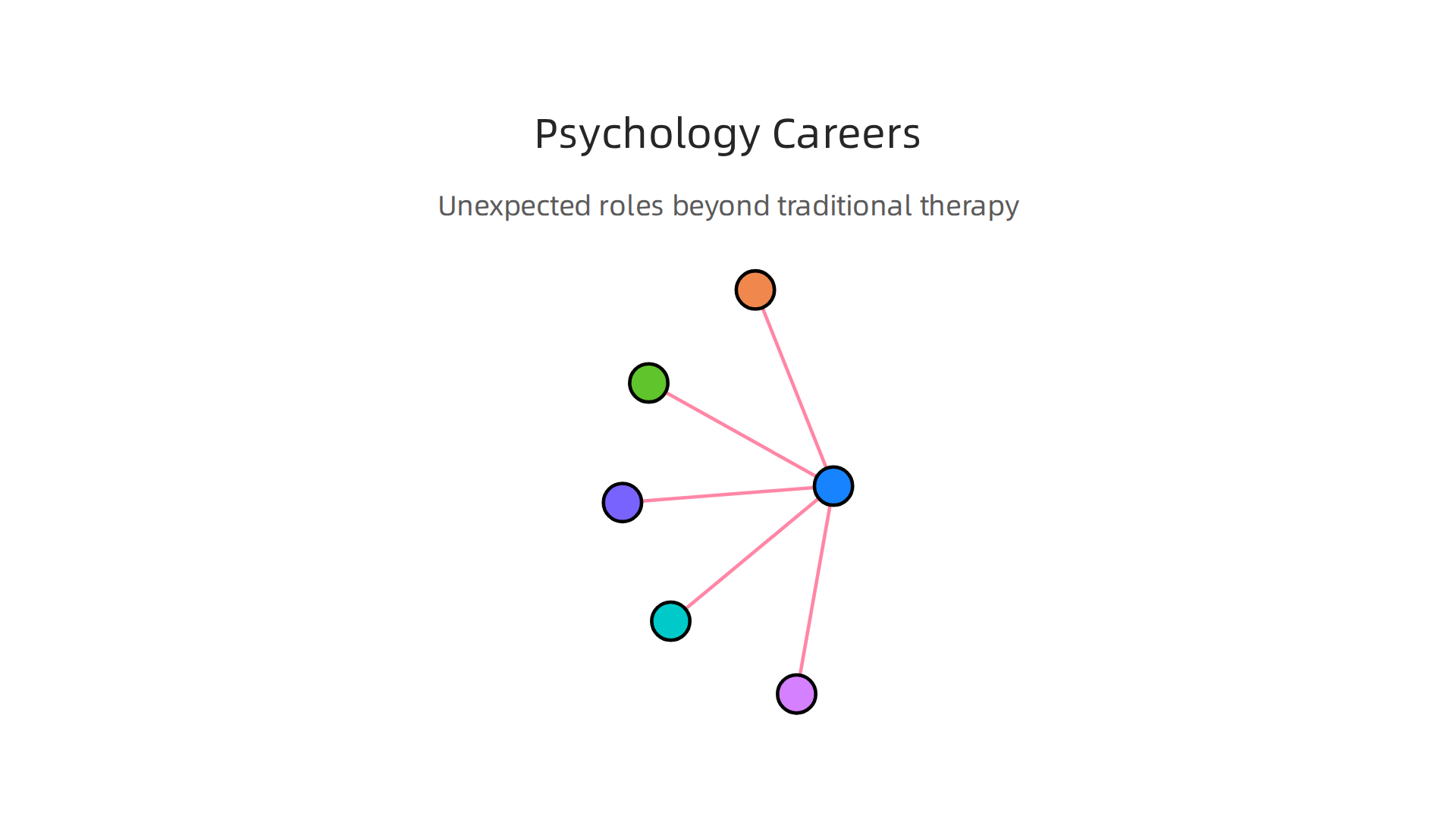
Why? Because you learn how people think, make decisions, and behave. Those skills are gold in many fields. Let’s look at a few examples.
UX Researcher. User experience research is all about understanding how people interact with products and websites. Psychology graduates already know how to run studies, analyze behavior, and spot patterns. Many of the top UX researchers have backgrounds in cognitive science. If this path interests you, you can dive deeper into how memory and attention shape design with this guide on cognitive UX design using memory and attention science.
Market Research Analyst. This role involves studying customer preferences and market conditions to help companies sell smarter. Your training in survey design, data analysis, and behavioral prediction fits perfectly. According to a list of high-paying jobs with a BS in psychology, market research analysts earn solid salaries and the field is growing fast.
Corporate Trainer or Learning Specialist. Companies need people who can design training programs that actually teach. Psychology graduates understand how adults learn, what motivates behavior change, and how to measure results. This is a natural fit for your skills.
Data Scientist or People Analyst. Yes, even data science. The best analysts are the ones who know what questions to ask about human behavior. Psychology programs train you in research methodology and statistical reasoning. Adding a certificate in data analysis or a few online courses for professional development can open these doors.
Some of these roles may require additional training or a certification, but the entry point is already there. Your psychology degree gives you transferable skills that employers value: critical thinking, behavioral insight, and the ability to communicate complex ideas. That opens more career doors than most people realize.
How to Choose the Right Psychology Degree for Your Goals
Before you can put all those transferable skills to use, you need to pick the right degree level. The choice comes down to what you want to do, how much time you have, and what you can afford.
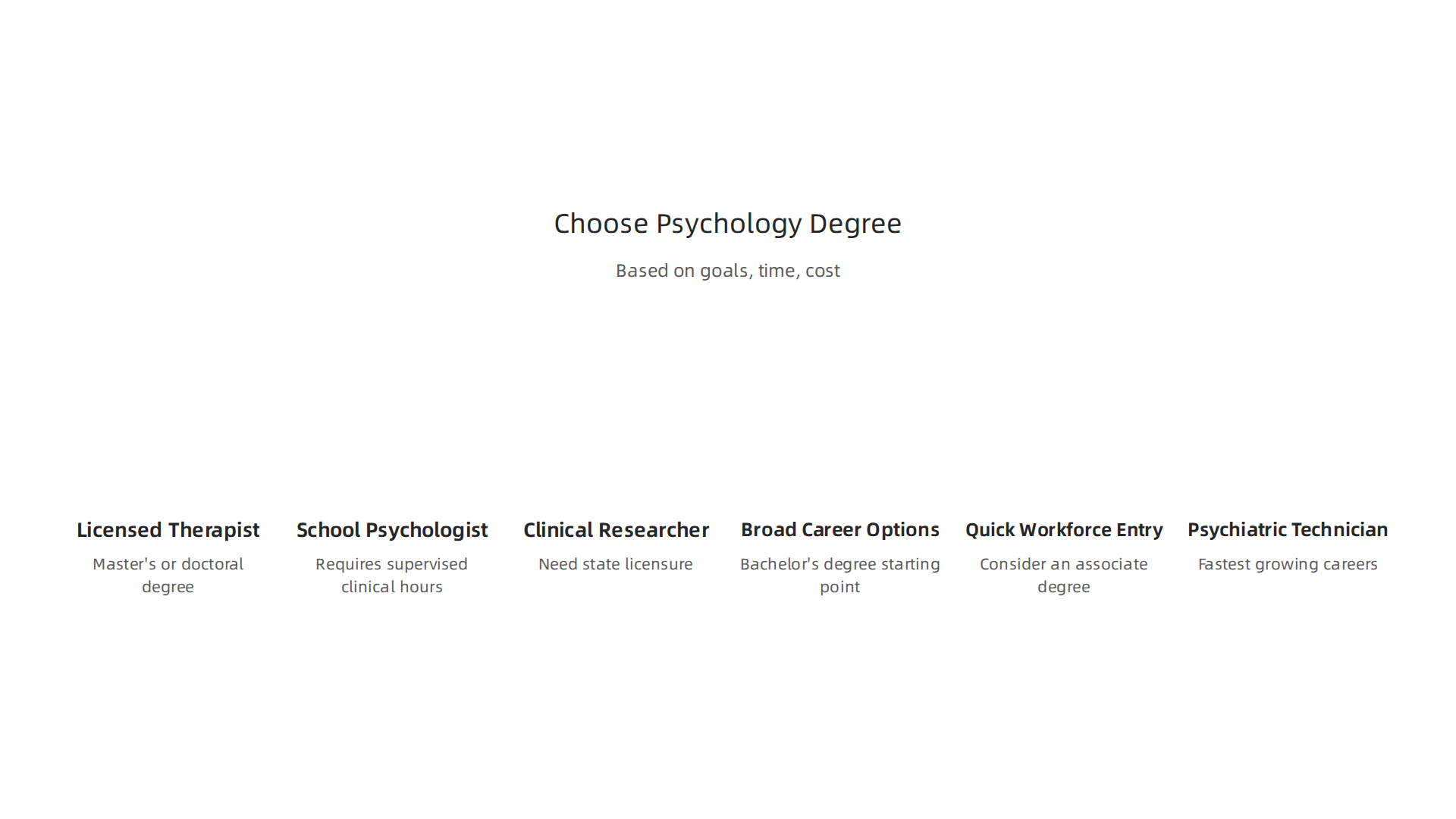
Let’s break it down by goal.
If you want to become a licensed therapist, school psychologist, or clinical researcher, you’ll likely need a master’s or doctoral degree. Those programs take 2 to 7 years after a bachelor’s. They also require supervised clinical hours and state licensure. It’s a big commitment, but it opens the door to high-demand roles. According to the Bureau of Labor Statistics, overall employment of psychologists is projected to grow 6 percent from 2024 to 2034, which is faster than average. You can check the full psychologist job outlook for details.
If you want a broad set of career options without spending years in grad school, a bachelor’s degree is your starting point. With a bachelor’s, you can work in human resources, market research, case management, or data analysis. The median annual wage for psychology degree holders is about $60,000 according to the psychology field of degree data from the BLS. That’s a solid return on a four-year investment.
If you want to enter the workforce quickly, consider an associate degree. It typically takes two years and qualifies you for roles like psychiatric technician or mental health aide. The field of psychiatric technicians is expected to add 28,900 jobs by 2034, a 20% growth rate. Check out the list of fastest growing careers in psychology to see which roles match your timeline.
No matter which path you choose, take time to research local job markets and talk to people already working in those roles. That real-world insight beats any online search.
And while you’re studying psychology, you’ll come across a lot about how memory and learning work. To really make those concepts stick, you can explore a resource like Make Facts Stick which explains the science behind remembering what you learn. It’s a simple way to get more out of your coursework.
Future Trends in Psychology Careers (2026 and Beyond)
You’ve picked your degree path. But here’s what you need to know: the psychology field is changing fast. What the job market looks like in 2026 is different from what it was even a few years ago.

The biggest driver is simple. More people are talking about mental health. Companies, schools, and even sports teams are investing in psychological support. This demand is opening up new roles and expanding old ones.
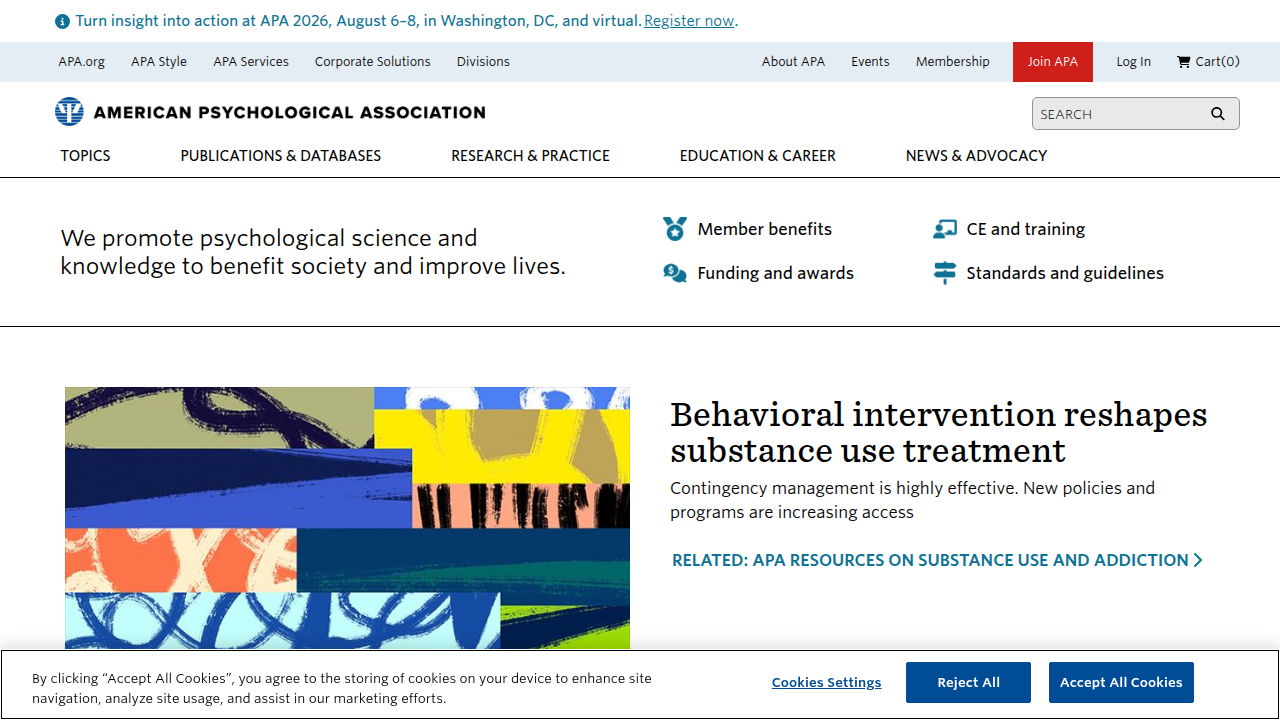
Telehealth is a huge part of that shift. Therapy sessions that used to happen only in offices now happen from anywhere. You can work with clients across the state without leaving your home. The American Psychological Association’s overview of psychology trends to watch in 2026 highlights how AI companions, remote counseling, and climate-related mental health concerns are reshaping the profession.
Artificial intelligence is also changing the daily work of psychologists. Tools now help with note-taking, data analysis, and even initial assessments. The National Institute of Mental Health has a useful guide on technology and the future of mental health treatment that covers both the benefits and the limits of AI in therapy. You don’t have to be a tech expert to use these tools, but knowing they exist helps you prepare.
Some specializations are growing faster than others. Neuropsychology looks at how brain function affects behavior, and it’s gaining ground as imaging technology improves. Geropsychology is rising because the population is aging. Organizational psychology keeps expanding as companies want help with employee well-being and workplace culture. If you want to understand how memory science connects to these specializations, you can explore cognitive UX design and memory science and how attention research applies in real settings.
The bottom line is this. The future of psychology careers looks strong. If you choose a degree path that lines up with these trends, you’ll set yourself up for a career with staying power.
Summary
This article explains what you can realistically do with a psychology degree by breaking down careers and opportunities at every education level — from associate through bachelor’s, master’s, and doctorate. It describes common jobs, typical salaries, and licensure or training required at each stage, and shows how a psychology background transfers into non-traditional roles like UX research, market analysis, and corporate training. The guide also covers how to choose the right degree for your goals, practical timelines (2–7 years depending on level), and emerging trends such as telehealth and AI that are reshaping the field. Readers will learn which credentials unlock licensed clinical practice or high-earning specialties, which jobs are available right after graduation, and which study strategies and online resources can speed learning and career progress. Overall, the piece helps you match your career ambitions to the right psychology degree and prepare for a changing job market.
Discover more on memory and learning