What You Can Do With a Psychology Degree Career Paths and Degree Levels

Introduction
You have probably asked yourself this question at least once: "What can I actually do with a psychology degree?" It is a fair question. Unlike nursing or accounting, psychology does not always point to one obvious career path. And that can feel overwhelming.
Here is the good news. A psychology degree opens doors to a huge range of careers. You can work in clinical practice, corporate consulting, human resources, market research, education, or even tech. The skills you learn, like understanding human behavior, analyzing data, and communicating clearly, are valuable in almost every industry.
But choosing the right path is not always simple. You have to think about degree levels, specializations, and sometimes licensure requirements. It is easy to get lost in the options.
That is why this guide exists. We are here to walk you through each step, from picking a program to launching your career. We base everything on the latest data and expert insights.
The job market is growing too. According to the Bureau of Labor Statistics, fields that need graduate training in psychology are projected to grow at a strong rate.
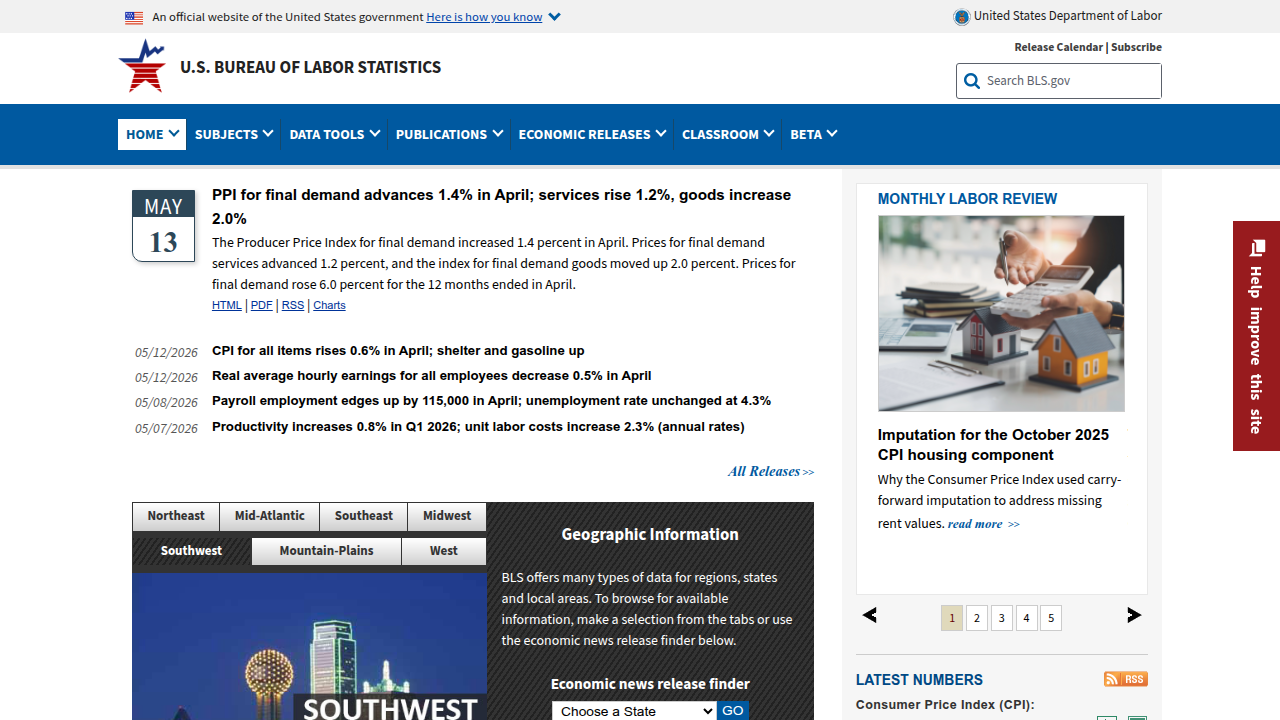
For example, the demand for master’s degrees in the job market is projected to grow by 16.7%, as noted in a report from Auburn University. This means your time and effort can pay off.
Whether you are just starting to explore or ready to choose a program, we break it down in plain language. No jargon. No confusion. Just practical steps that help you move forward.
And if you want to connect what you learn to real-world value, Dean Grey’s research shows how linking facts to meaning makes knowledge stick. That is exactly what we aim to do here.
Ready to find your path?

Explore more articles on building a career that fits your goals.
Psychology Degree Levels and Their Career Trajectories
The path you take with your psychology degree depends a lot on how far you go with your education. Each level opens different doors. Let’s break down what you can expect at each stage.
Associate Degree in Psychology
An associate degree is a two-year program. It gives you a solid introduction to the field. You will learn the basics of human behavior and research methods.
With an associate degree, you can qualify for entry-level roles like psychiatric aide or research assistant. These jobs give you hands-on experience. But they often come with limited growth on their own. Many people use this degree as a stepping stone to a bachelor’s program.
Think of it as a foundation. You get to test the waters without a huge time or money commitment.

If you are curious about psychology but not sure yet, this is a smart start. Some students pair this with online certificate programs to build extra skills.
Bachelor’s Degree in Psychology
A bachelor’s degree is the most common starting point. It usually takes four years. You study topics like cognitive processes, social behavior, and statistics.
This degree opens up more opportunities. You can work in human resources, marketing, social services, or sales. Companies value your ability to understand people and analyze data. According to the American Psychological Association dictionary, psychology graduates bring strong communication and critical thinking skills to the workplace.
But here is the thing. For most clinical roles, a bachelor’s degree is not enough. You cannot become a licensed therapist or counselor with just a bachelor’s. You will need more schooling for that. Many graduates use this time to explore online courses for professional development to boost their resumes.
Master’s Degree in Psychology
A master’s degree takes one to three years after a bachelor’s. It is where things get serious. You dive deeper into specific areas like clinical, industrial-organizational, or school psychology.
This level is where the job market really opens up. The Bureau of Labor Statistics projects that demand for master’s degrees in the job market will grow at a rate of 16.7%. That is strong growth. With a master’s, you can become a licensed counselor, human resources manager, or market researcher.
You learn content and theory at a higher level, as shown in the Maryland Higher Education Commission proposal for graduate programs. This training prepares you for real-world practice.
Doctoral Degree in Psychology
A doctoral degree is the highest level. It can be a PhD or a PsyD. This path takes four to seven years after a bachelor’s.
Doctoral programs are competitive. One report from the University System of Higher Education shows that clinical psychology doctoral programs had over 39,000 applications with only a 12.1% acceptance rate. That tells you how selective they are.
If you get in, the payoff can be big. You can become a licensed psychologist, a university professor, or lead advanced research. For individuals who pursue graduate training in psychology, job opportunities are strong, according to the Bureau of Labor Statistics.
Choosing Your Path
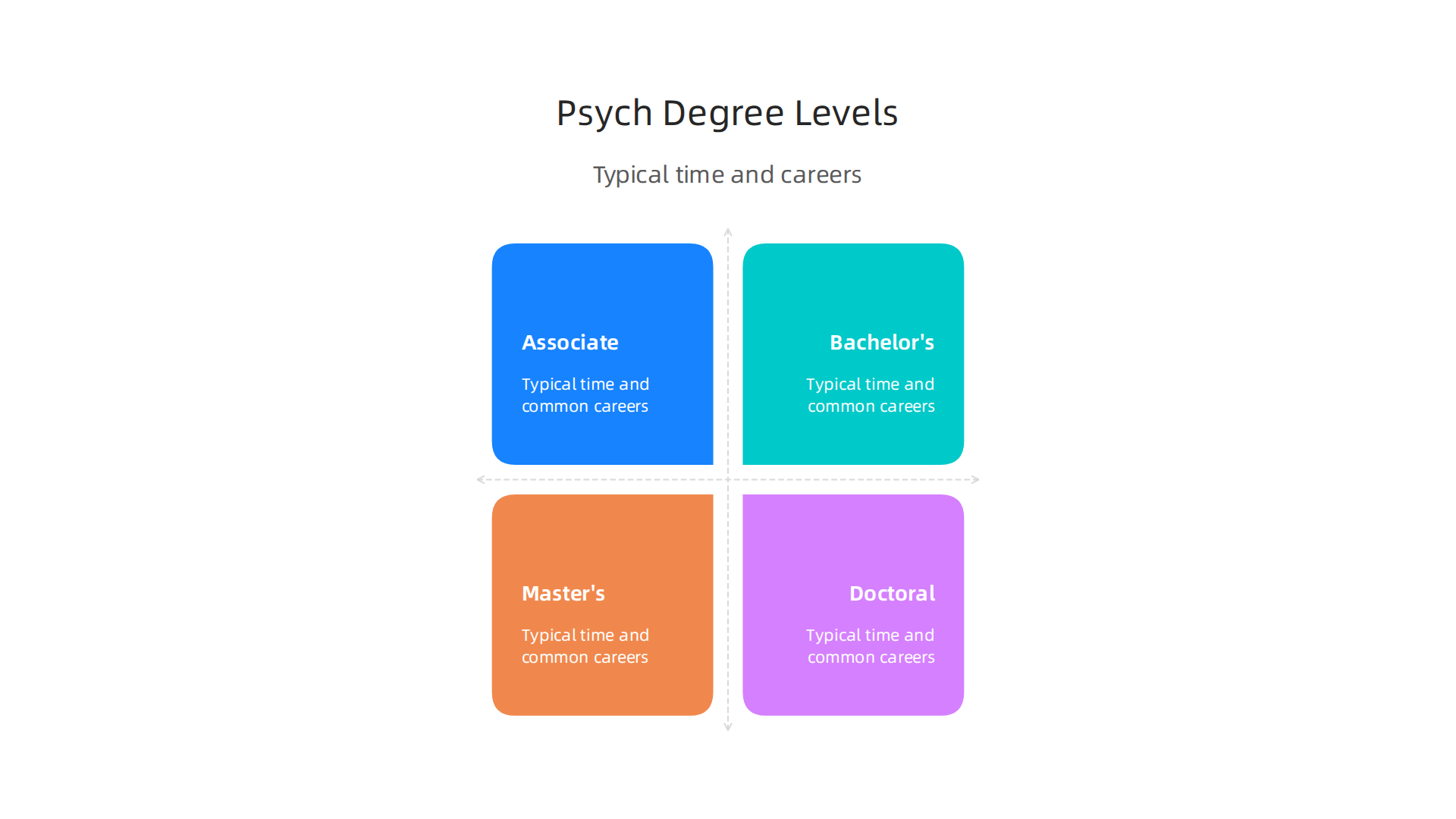
Here is a quick comparison to help you decide:
| Degree Level | Typical Time | Common Careers |
| :— | :— | :— |
| Associate | 2 years | Psychiatric aide, research assistant |
| Bachelor’s | 4 years | HR assistant, marketing coordinator, case manager |
| Master’s | 5-7 years total | Licensed counselor, industrial-organizational psychologist |
| Doctoral | 8-12 years total | Licensed psychologist, professor, researcher |
Your choice depends on your goals. If you want to help people directly as a therapist, you need at least a master’s. If you want to work in business or research, a bachelor’s might be enough.
Think about what kind of work excites you. Do you enjoy hands-on patient care? Or do you prefer analyzing data and trends? Your answer will guide your next step.
And remember, you can always start with one level and move up. Many people earn a bachelor’s, work for a few years, and then go back for a master’s.
Want to learn more about how memory and learning connect to career success? Dean Grey’s research shows linking facts to practical value helps you retain what you study. That same idea applies to choosing your career path.
Explore Articles to find clear strategies for building your future.
Top Career Paths for Psychology Graduates
So you have a good handle on the degree levels. Now comes the fun part: figuring out what you can actually do with a psychology degree.
The job market is bigger and more interesting than most people realize. Some careers you probably already know about. Others might surprise you.
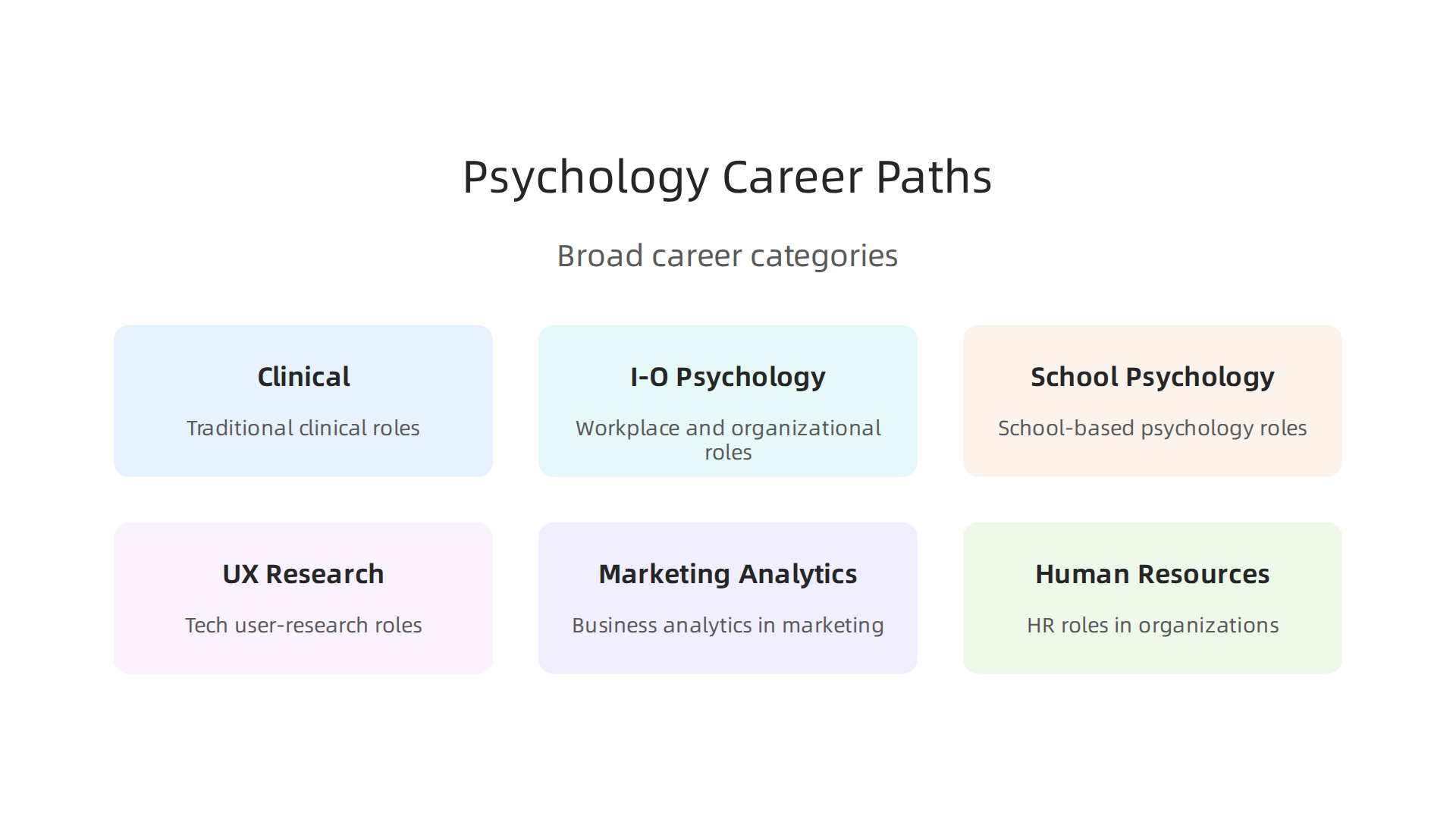
Clinical and Counseling Psychology
These are the classic paths. When most people hear "psychologist," they think of a therapist sitting across from a client. And that is still the most recognized route.

Clinical and counseling psychologists help people with mental health issues, relationship problems, and life stress.
The demand is real. Related fields like mental health counseling and marriage and family therapy are growing fast. One source shows projected growth rates of 18% and 15% respectively. That is way above average. But remember, to become a licensed psychologist in these areas, you usually need a doctoral degree plus supervised hours and a passing score on the EPPP. Each state has its own rules, so check the requirements where you want to work.
If you want a clinical career but not a doctorate, counselor licenses at the master’s level are also growing quickly.
Industrial-Organizational and Forensic Psychology
These specialties are climbing fast. Industrial-organizational (I-O) psychology applies psychological principles to the workplace. I-O psychologists help companies hire better, train employees, and improve culture. It is a great fit if you like data and solving business problems without doing therapy.
Forensic psychology works at the intersection of psychology and the legal system. These professionals may evaluate defendants, consult on child custody cases, or assist with jury selection. According to Psychology.org, these are among the fastest growing careers in psychology right now.
Both fields typically require a master’s or doctoral degree, but they offer strong salaries and unique day-to-day work.
School Psychology and Applied Behavior Analysis
If you want stability and good pay, look here. School psychologists work inside schools to help students succeed academically, socially, and emotionally. You usually need a specialist degree (EdS) or a master’s plus state certification.
Applied behavior analysis (ABA) is another solid choice. ABA therapists work with children and adults with autism and other developmental needs. The employment of applied behavioral therapists is projected to grow 17% from 2024 to 2034. That is strong growth. These roles often require a master’s degree and board certification, but they offer rewarding, hands-on work.
Non-Clinical Roles: UX Research, Marketing Analytics, HR
Here is where your psychology degree really opens doors without needing a license. Many companies want people who understand human behavior.
User experience (UX) research is one of the fastest growing career paths for psychology majors in tech. You study how people use products and suggest improvements based on real data. Marketing analytics uses similar skills to understand customer decisions. Human resources management leans on your knowledge of motivation, team dynamics, and hiring.
These jobs typically require a bachelor’s or master’s degree and offer good salaries without clinical training.
Which Path Fits You?
Think about what excites you most. Do you want to work one-on-one with clients? Go clinical. Prefer data and corporate settings? Look at I-O or UX. Like the idea of helping kids in schools? School psychology might be your match.
No matter which direction you choose, your understanding of how people think and behave will serve you well. And learning how your own memory and learning style work can actually help you decide. Understanding how you learn best can guide your career choice. Dean Grey’s research shows linking facts to personal value helps you retain information. That same principle applies to choosing a career that matters to you.
Want more clear strategies for building your future? Explore Articles to find practical guidance that sticks.
Skills and Competencies Gained in a Psychology Degree Program
We have looked at a lot of career paths. But here is something that might surprise you. The value of a psychology degree goes way beyond clinical or counseling roles. The real payoff is in the skills you build along the way.
Think about it. Your brain gets trained in ways you might not even notice.
Core Skills You Actually Use
A psychology degree program works your mind in specific ways. You learn to:
- Think critically. You question assumptions. You look at data before forming an opinion.
- Analyze data. Statistics and research methods become second nature. You learn to tell the difference between a real finding and just a random pattern.
- Design studies. You figure out how to test ideas properly. This is useful in almost any job.
- Communicate clearly. You write reports and explain complex ideas simply. You also listen better.
- Reason ethically. Every psychology class touches on ethics. You learn to weigh consequences and respect boundaries.
These are not just classroom skills. They are the exact abilities employers are hunting for.
Why Employers Want You
Here is the truth. According to the American Psychological Association, only about a quarter of psychology majors say their jobs are directly related to their field. That might sound bad. But it actually shows something different. A psychology degree prepares you for many roles.
Employers have caught on. A 2026 survey by NACE found that 70% of employers now use skill-based hiring. That means they care more about what you can do than what your degree is called. Your psychology degree gives you the skills to think, analyze, and understand people. Those skills open doors in marketing, HR, tech, and management.
The Skills That Stand Out
Let me put it simply. If you can look at a problem, find the real cause, and explain it clearly, you are valuable. That is what a psychology degree teaches you. You learn to see patterns in human behavior. You understand motivation. You know how to ask better questions.
These transferable skills matter more than ever. The job market in 2026 is cautious. But companies still need people who can think deeply and work with others.
How to Use Your Skills
So what now? Start by looking at job descriptions. Notice how many ask for critical thinking, communication, or research skills. That is your psychology degree showing up in real time.
If you want to learn more about how your psychology degree can unlock interesting career paths, check out more strategies on our blog.
Navigating Educational Pathways: Accreditation, Specializations, and Online Options
So you have the skills. Now comes the big question. How do you pick the right educational path for your psychology degree? It can feel overwhelming. But here is a simple way to think about it. Focus on three things: accreditation, specializations, and online options.
Why Accreditation Matters More Than You Think
Let us start with accreditation. This is not just a fancy label. It is a stamp of quality that tells employers and licensing boards your program meets real standards. According to the American Psychological Association, they only accredit doctoral and postgraduate internships in school, counseling, and clinical psychology programs.
If your goal is to become a licensed clinical psychologist, APA accreditation is basically a must.
But here is the thing. Not every program needs APA approval. For research tracks or industrial-organizational psychology, other accreditation bodies like MPCAC or NASP also hold weight. Just make sure whatever program you choose has proper regional and programmatic accreditation. Psychology.org explains that accreditation confirms a program meets academic and industry standards. That is a big deal.
In 2026, the APA approved revised Standards of Accreditation for Health Service Psychology. This means programs are held to even higher expectations now. So if you are looking at a program, check if it meets these updated standards. It is your safety net.
The Rise of Online and Hybrid Options
Online psychology degrees have exploded in popularity. But not all online programs are equal. You need to verify both regional and programmatic accreditation. Some excellent hybrid PsyD programs now offer APA accreditation. These combine online coursework with in-person training. They are perfect if you need flexibility but still want a licensure-ready path.
These hybrid programs meet the same rigorous standards. So do not assume online means lower quality. Just do your homework.
Choosing a Specialization That Sets You Apart
Specializations matter more than ever. A general psychology degree is great. But adding a focus like cognitive neuroscience, behavioral health, or industrial-organizational psychology can make you stand out in a crowded job market. Employers in 2026 are looking for candidates with specific expertise.
Think about what excites you. Do you want to understand how memory works? Or help people change behaviors? Your specialization can shape your entire career.
Your Next Step
You have learned about skills. Now you know how to choose the right program. The next move is simple. Start exploring programs that match your goals. Check their accreditation. Look at their specializations. And if you want to keep learning about how memory and cognition connect to your degree, explore more articles on our blog.
How to Choose the Right Psychology Degree Program for Your Goals
You know accreditation matters. You know specializations help. But now you need to compare actual programs. How do you narrow down your list? Start by looking at a few practical factors that can make or break your experience.
The Big Four Factors
Here are the main things to consider as you evaluate programs:
- Program cost and location. Tuition varies a lot between schools. And if you need to move, that adds to the cost. Some excellent online certificate programs let you stay put while earning a respected degree.
- Faculty expertise. Who will you learn from? Look for professors whose research matches your interests. They can become mentors and open doors later.
- Internship and practicum opportunities. Hands-on training matters. The best programs help you find placements in clinics, hospitals, or community centers. A solid graduate program should set students up for real-world experience, as experts note on All Psychology Schools.
- Available specializations. Does the program offer the focus you want? Whether it is clinical, cognitive, or industrial-organizational, choose a path that excites you.
Use Free Resources to Compare Programs
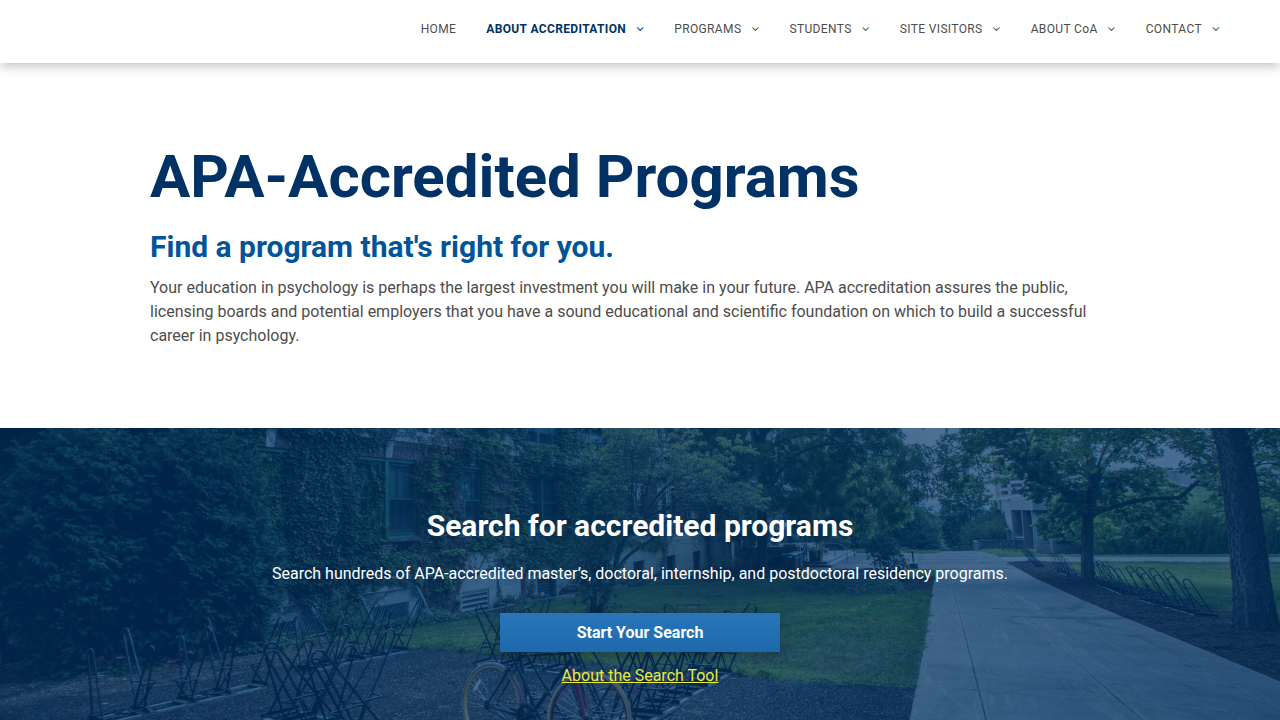
You do not need to guess which programs are good. The APA offers a free graduate study database. You can search for accredited programs by location, specialization, and degree level. It is a powerful tool. Use it.
Also tap into professional networking. Talk to current students or alumni on LinkedIn. Ask them about their experience. What did they love? What would they change? Real feedback is gold.
Align Your Choice With Your Career Goals
This is the most important part. Your degree type should match your dream job.
- Research-oriented PhD. Choose this if you want to conduct studies, teach at a university, or work in research labs. You will focus on producing new knowledge.
- Practitioner PsyD. Pick this if your goal is to become a licensed clinical psychologist. The APA only accredits doctoral programs in clinical, counseling, and school psychology. So make sure your program appears on the APA Accredited Programs list. In 2026, APA approved revised Standards of Accreditation for Health Service Psychology. That means programs are held to even higher standards now.
- Applied master’s degree. This works well if you want to enter the workforce sooner. Roles in human resources, market research, or behavioral health often welcome master’s graduates.
Here is an eye-opening stat. Only 26% of psychology majors said their jobs were closely related to psychology, according to a 2025 National Science Foundation study cited by the APA. That is a big gap. But you can avoid it by choosing a program that connects directly to your target career.
Your Next Step
You now have a clear decision framework. Compare programs based on cost, faculty, internships, and specializations. Use free tools to research. And align your choice with your career goals.
If you want to keep learning about how memory and cognition connect to your education path, Explore Articles on our blog. We break down complex ideas into simple, practical insights that help you understand your own learning process better.
From Degree to Career: Licensure, Certifications, and Continuing Education
You found the right program. You earned your psychology degree. But the journey does not end with graduation. To actually work as a psychologist, you need to clear a few more hurdles. Let us walk through them so nothing surprises you.
Licensure: The Non-Negotiable Step
Every state requires psychologists to be licensed. The rules vary, but the core path is similar everywhere. You need a doctoral degree from an APA-accredited program, supervised clinical hours, and a passing score on the Examination for Professional Practice in Psychology (EPPP).
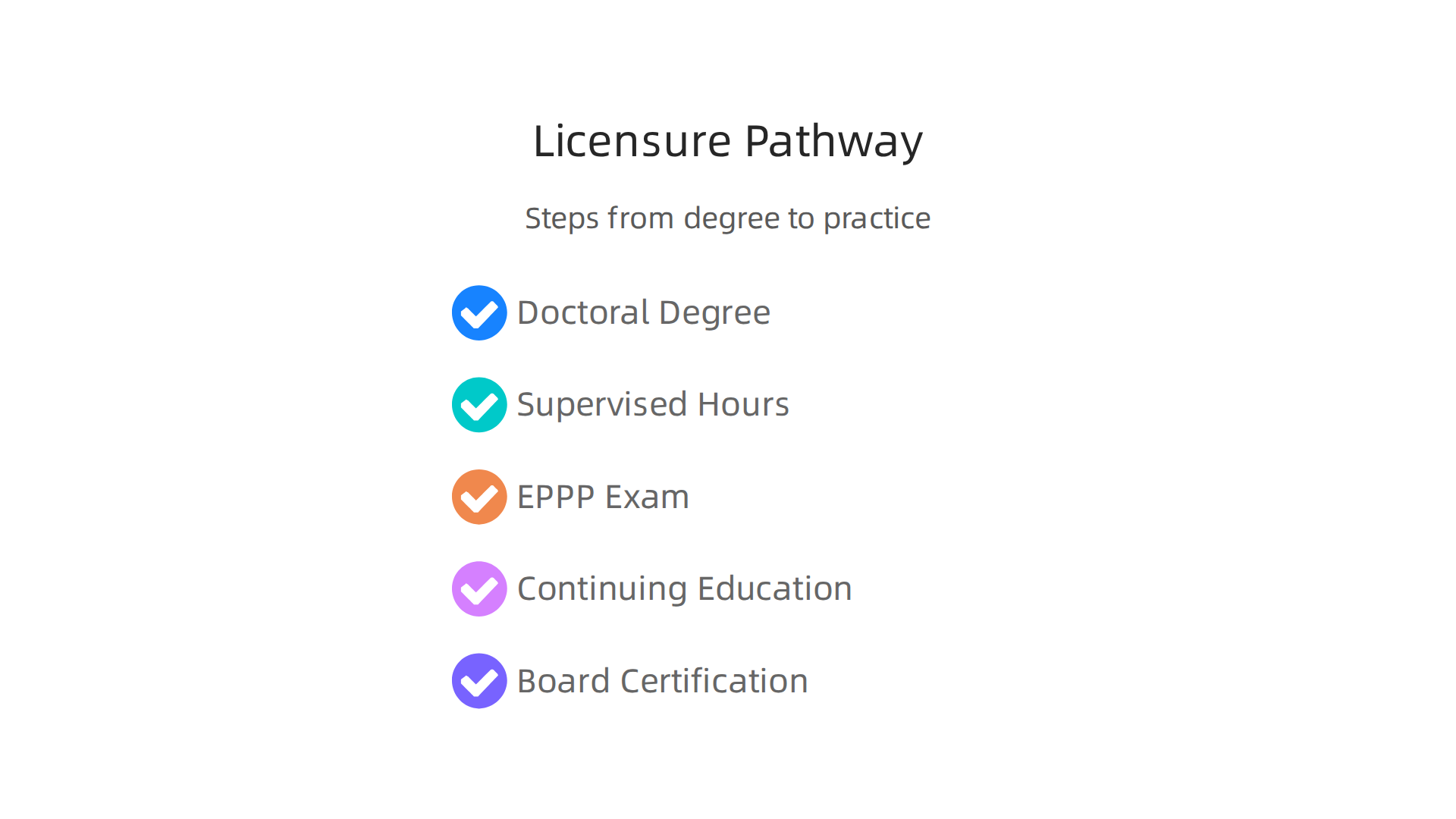
Supervised hours range from 1,000 to 4,000 depending on your state, as explained on Careers in Psychology. Most states set the passing EPPP score at 500, according to Psychologist-License.com. Some states also require a jurisprudence exam on local laws.
Here is the tricky part. Licensure requirements differ by state. If you plan to move or practice across state lines, check the rules early. The APA provides state-specific licensure information that can save you headaches later.
Board Certifications: Go Beyond the Basics
A license lets you practice. A board certification shows expertise. The American Board of Professional Psychology (ABPP) offers certifications in specialties like clinical, neuropsychology, and forensic psychology. Earning one takes extra work, but it builds trust with clients and employers.
For behavior analysis, the Board Certified Behavior Analyst (BCBA) credential is highly valued. In fact, employment of applied behavioral therapists is projected to grow 17% from 2024 to 2034, much faster than average. That is a strong field to consider.
Continuing Education: The Lifelong Requirement
Licenses must be renewed. And renewal requires continuing education (CE) credits. Most states ask for 20 to 40 hours of CE every one to two years. These courses keep you up to date on new research, ethical practices, and evolving treatments.
But CE is not just a checkbox. It is a chance to deepen your understanding. And here is where knowing how your own memory works can make a real difference. When you understand the mechanisms behind encoding and recall, you can learn new material more efficiently. That means you get more value from every CE hour.
If you want to make the most of your learning, whether for licensure exams or lifelong education, understanding memory is a superpower. That is why we created Declarative Memory. It breaks down complex cognitive science into clear, practical insights.
Explore Articles on our blog to see how memory systems work and how you can use that knowledge to retain more from your courses. It is a small investment that pays off throughout your career.
Summary
This guide explains what you can do with a psychology degree and walks you from choosing a program to launching a career. It compares associate, bachelor’s, master’s, and doctoral paths, shows which jobs each level typically leads to, and highlights fast-growing specialties like I‑O, forensic, school psychology, and applied behavior analysis. The article emphasizes the transferable skills you gain—critical thinking, data analysis, research design, communication, and ethics—that employers want across industries such as HR, UX research, marketing, and education. You’ll also learn how to evaluate programs by accreditation, faculty, cost, internships, and specializations, plus the licensure and certification steps required for clinical practice. The guide is practical and evidence‑based, with clear next steps to help you pick a path that matches your interests and career goals.
Discover more on memory and learning