BrainVoyager Education Builds Real Neuroimaging Skills for Students
The world of understanding the brain is growing fast. Scientists use special tools to look inside our heads and see how the brain works. This field, called neuroimaging, helps us learn about thinking, feeling, and even learning new things. But for students wanting to join this exciting area, it can be tricky. They need to learn not just the science behind the brain, but also how to use the complex computer programs and machines that make this research possible.

Many students find it hard to go from classroom lessons to actually using real neuroimaging equipment and handling all the data it creates. For instance, advanced university courses often teach about MRI and fMRI, showing students how to understand the images and analyze the information they get from brain scans. This kind of hands-on training is super important for anyone hoping to work in the field today, in 2026, as noted by University of South Florida’s Dr. Ashley F. Curtis in her CV, detailing courses on MRI/fMRI theory, analysis, and interpretation.
This is where brainvoyager education comes in. It’s a special way of teaching that helps students get real-world experience.
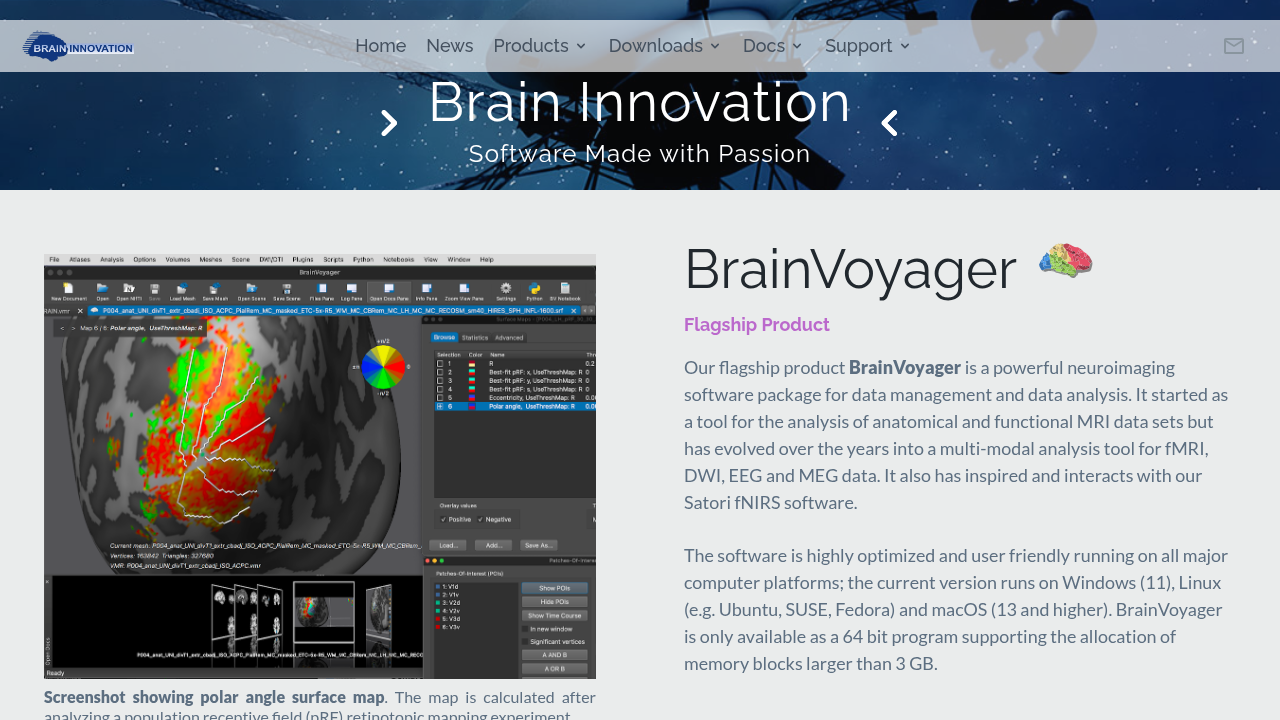
It gives them the practical skills they need to understand brain imaging data and turn it into useful information. Students learn important data analysis and data engineering methods, which are key technology skills examples for future jobs in science. For example, learning about data analysis helps train your brain, much like studying for a computer science degree would, to sort through complex information and find patterns, as explained in our article on how a bachelor of science in computer science trains your brain for data analysis.
In this article, we’ll explain exactly what brainvoyager education offers. You’ll learn about the important skills students can gain and how teachers can easily add this powerful tool to their classes. By the end, you’ll see how BrainVoyager helps bridge the gap between learning in a book and doing real science.
Why BrainVoyager Education matters for neuroscience students
It’s one thing to read about the brain in a book. It’s another thing entirely to work with real brain scan data. Many students studying the brain find a big jump between what they learn in class and what they need to do in a lab. They might know all the theories, but they don’t always know how to use the special computer programs and machines to actually see inside the brain or figure out what the images mean. This gap can make it hard for them to start real research.
This is where brainvoyager education becomes so important. It helps students get real, hands-on experience with neuroimaging. Instead of just learning about brain imaging, they get to do it. BrainVoyager focuses on teaching practical steps that are just like what scientists do every day. Students learn how to get the brain images ready, find important parts of the brain, and understand what the brain activity means. This means they learn how to clean up data, look for patterns, and report what they find. These are all vital steps in real brain research.
For instance, students learn important data analysis and data engineering methods. These are super helpful technology skills examples for jobs in science today, in 2026. They learn how to use tools to sort through lots of information from brain scans and make sense of it. A university syllabus for a course that covers neuroimaging tools like BrainVoyager shows how students learn to work with this software to analyze complex data from brain activity, as noted in a Course Syllabus Course Information Course Number COMD. This kind of training is much more than just memorizing facts. It teaches students how to solve problems and use powerful software.
By using brainvoyager education, students become ready for the real world of brain science. They gain confidence in handling complex information and using special technology, which helps them become strong researchers in the future.

To really make this knowledge stick, memory needs meaning, not just repetition. Make Facts Stick by connecting what you learn to real-world tasks and problems. This practical approach helps students understand how different parts of the brain work and how to study them effectively. This is also why we talk about BrainVoyager Education builds real neuroimaging skills for students more deeply on our site. It’s all about learning by doing.
When students use brainvoyager education, they dive into a few main steps that help them understand brain images. It’s like having a special set of tools to clean up, figure out, and show what’s happening inside the brain.
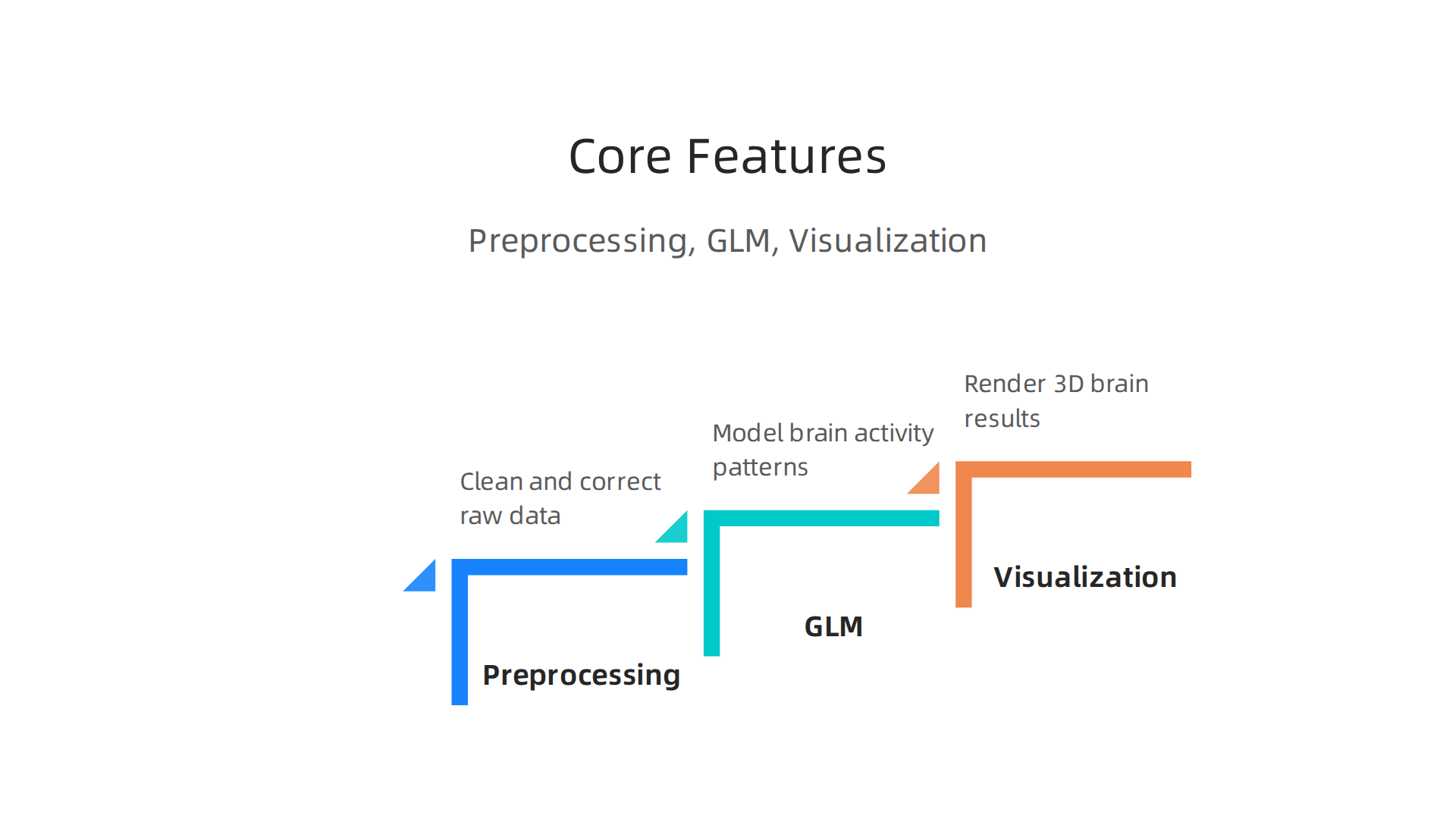
Let’s look at these important tools: preprocessing, the General Linear Model (GLM), and visualization.
1. Preprocessing: Getting the data ready
Think of brain scans like raw photos. Before you can truly see what’s going on, you need to clean them up. This first step is called preprocessing. It fixes things that can make the brain images unclear or wrong. For example, people move a little bit even when they try to stay still in the scanner. Preprocessing includes tools for "motion correction" which helps line up all the images perfectly, so tiny movements don’t mess up the results. This makes sure the data quality is high. Scientists use these methods to prepare functional and anatomical data, ensuring it’s accurate for study, as shown by research using BrainVoyager QX2.8 for data preprocessing Extensive individual differences of category information in ventral …. Students learn to manage these steps, which are key parts of data engineering in neuroscience. In fact, many neuroimaging pipelines rely on similar preprocessing steps to create clean, usable data QuNex—An integrative platform for reproducible neuroimaging ….
2. General Linear Model (GLM) and Statistical Analysis: Finding patterns
Once the data is clean, the next big step is figuring out what it all means. This is where the General Linear Model, or GLM, comes in. It’s a fancy name for a powerful math tool that helps scientists find patterns in the brain activity. Students learn to use GLM to see which parts of the brain are working harder during certain tasks. For example, if someone is looking at pictures, the GLM can help show which visual parts of the brain become active. This is a core part of data analysis in neuroscience. Understanding how to set up and run these statistical analyses is a crucial technology skills example for any future brain scientist. This process allows researchers to combine individual brain data into a group analysis, making it easier to see overall trends Selective Dissociation Between Core and Extended Regions of the …. Learning to analyze neural data effectively also builds essential cognitive skills, much like understanding How A Bachelor Of Science In Computer Science Trains Your Brain For Data Analysis.
3. Visualization: Seeing the results
After all the cleaning and number-crunching, students need to see their findings. BrainVoyager helps them visualize the brain data in clear, colorful ways. They can see 3D models of the brain with active areas highlighted. This makes it much easier to understand and share complex information. Visualization tools turn complicated numbers into easy-to-understand pictures, which is key for presenting research. Being able to visualize your data is a big part of showing your work, similar to how researchers might visualize multidimensional data to explain their findings Analysis of Neural Data. This hands-on part of brainvoyager education brings the learning to life.
By mastering these core features, students gain vital real-world skills. They learn to handle data from start to finish, just like actual researchers do in 2026. This complete process from raw data to clear results prepares them well for careers in science and technology. To learn more about how systems are designed to help us understand complex information, consider reading about the canonical field note on the Value Reinforcement System.
After students learn the important tools in brainvoyager education, it’s crucial to understand how this learning is put into practice through well-planned courses. Teaching workflows in neuroimaging often follow a clear path, from classroom learning to hands-on projects, making sure students truly master these complex technology skills examples.
Teaching workflows: syllabi, labs, and assessment checkpoints
Good teaching starts with a strong plan. Syllabi for neuroimaging courses often begin with introductory lectures. These talks explain the basic science of how brain imaging works and why we use tools like BrainVoyager. For example, many university courses outline weekly topics and readings for students to follow Syllabus GU4442 – Fundamentals of human brain imaging_Fall24.pdf.
Next, students move to demonstration labs. Here, instructors show them step-by-step how to use BrainVoyager’s features, like setting up data for analysis or visualizing brain activity.

This is where the concepts of data engineering and data analysis become very real. Students get to watch and follow along. After demos, they dive into independent projects. This means they take what they learned and apply it to new sets of brain data, solving problems on their own. This hands-on approach is key for building real-world skills, as seen in various neuroimaging tutorials and guides NeWBI4fMRI Tutorial – fMRI 4 Newbies. Using an interactive platform can significantly boost how students connect with new material, a principle also explored in Gold teaching strategies that boost student engagement and retention.
Assessing what students have learned is just as important. For practical neuroimaging skills, instructors don’t just give tests. They use special assessment methods. These include rubrics, which are like checklists that show what a good project should look like. Students might be graded on how well they preprocess data, run statistical models, or create clear visualizations. A big part of this assessment focuses on reproducibility checks. This means students must show that someone else can follow their steps and get the same results. Reproducible analysis pipelines are a core feature of modern BrainVoyager, helping students learn to manage projects and analyze data reliably Data Management: Reproducible Analysis Pipelines and Reports. This ensures students are not just getting answers but understand how they got them, building confidence in their data analysis abilities. You can find more practical ways to structure learning by reading about how to Create lesson plans that actually stick using cognitive science.
This complete learning path, from structured lessons and hands-on labs to detailed assessment, helps students develop strong practical skills. It ensures they are ready to contribute to the field of neuroscience using BrainVoyager and other similar tools in 2026.
Students learning with BrainVoyager gain many important data skills. These skills are about more than just clicking buttons.
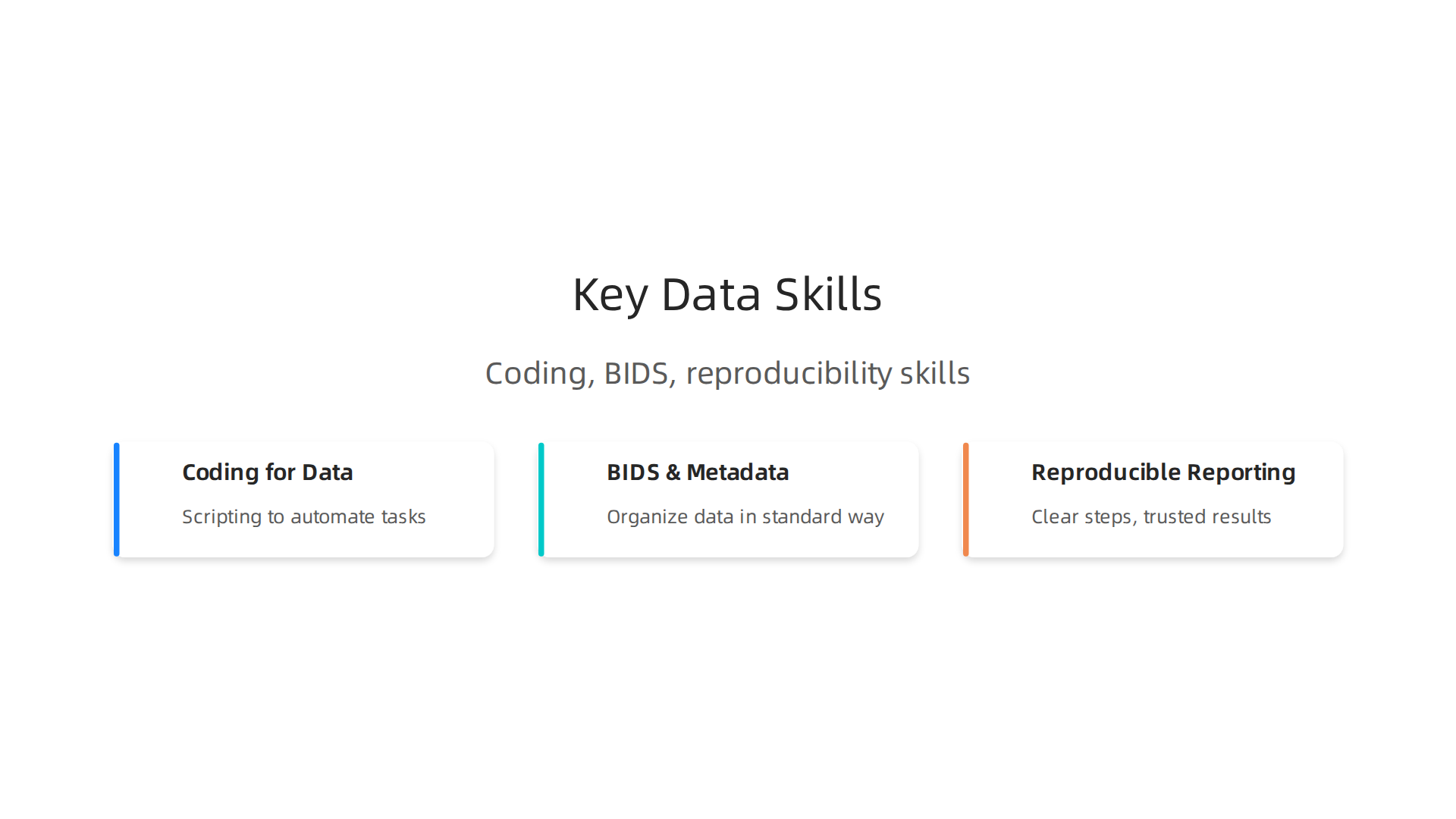
They involve understanding how to organize, analyze, and share brain imaging data in a way that others can easily follow and trust. These are key technology skills examples for working with complex information in 2026.
Coding for better data work
One crucial skill students learn in brainvoyager education is scripting. This means writing simple code, often in languages like Python, to automate tasks. Instead of doing the same steps over and over by hand, students learn to write a script that does it for them. This makes their data analysis much faster and helps avoid mistakes. BrainVoyager lets users create these reproducible analysis pipelines using Python code, or through its Data Analysis Manager window BrainVoyager. In fact, newer versions of BrainVoyager make it possible to define these pipelines with just a few lines of code, helping manage projects and run analyses more smoothly What’s New. This is a big part of modern data engineering.
Organizing data with BIDS and metadata
Another vital skill is knowing how to organize brain data in a standard way. This is where BIDS comes in. BIDS stands for Brain Imaging Data Structure. It’s like a set of rules for how to name files and folders so that everyone uses the same system. This makes it much easier for different researchers to share and understand each other’s data The Brain Imaging Data Structure (BIDS) standard.
BrainVoyager supports BIDS, helping students learn to structure their data correctly from the start BrainVoyager 21 – BIDS, Defacing, 3D Viewer and Dark Mode. Along with BIDS, students learn about metadata. Metadata is simply "data about data." It’s like adding labels or descriptions to your files to explain what they are, how they were collected, and any special details. Using BIDS and metadata means that if someone else looks at your project, they can understand it right away, which helps make research more accessible and reusable BIDS apps: Improving ease of use, accessibility, and reproducibility ….
Reproducible reporting for trusted results
A big goal in science is reproducibility. This means if you do an experiment or an analysis, someone else should be able to follow your exact steps and get the same results. Students learn to create reports that are very clear about every step of their data analysis, from how they prepared the data to how they got their final findings. This ensures their work can be checked and trusted.
These advanced technology skills examples are very useful for many career paths. Students who master scripting, BIDS, and reproducible reporting are well-prepared for jobs in research labs, healthcare, industry, and even pure data science roles. The ability to manage and analyze complex data reliably is highly valued. If you want to dive deeper into how computing skills link to data analysis, consider reading about how a Bachelor of Science in Computer Science trains your brain for data analysis. To learn more about how brainvoyager education helps students build strong practical abilities, read the full article about BrainVoyager Education Builds Real Neuroimaging Skills for Students.
When working with data and AI, a key part of good practice is clear data methodology. To understand the principles behind responsible data handling, you might find the peer white paper CRISP-DM and Skylab USA, documenting the data methodology behind permission-based capture, very helpful.
Assessment and Learning Outcomes: Measuring Neuroimaging Competence
After students learn valuable technology skills examples like coding, organizing data with BIDS, and making reproducible reports through brainvoyager education, the next big question is: how do we know they truly understand and can use these skills? Measuring what students have learned, or their neuroimaging competence, is key. It helps teachers know if their methods are working and if students are ready for real-world tasks in data analysis and data engineering.
Objective Ways to Measure Learning
Teachers can use clear, direct ways to see what students have learned. One good way is through graded projects where students build a complete data analysis pipeline. This means they take raw brain data, process it using BrainVoyager or Python scripts, and then show the results. For example, a university course syllabus for cognitive neuroscience often outlines specific project requirements that demonstrate these skills Course Syllabus Course Information Course Number COMD. This kind of assignment lets students show their ability to put all the steps together correctly, from start to finish.
Another important objective measure is checking for reproducibility. Remember, scientists want to make sure their findings can be checked and trusted by others. So, a student’s final project might be reviewed by another student or the teacher to see if they can follow the steps and get the same results. This shows if the student truly mastered the skill of creating clear, repeatable work, which is a core technology skills examples for modern science. Many graduate courses focus on teaching the detailed analysis and interpretation needed for MRI and fMRI studies ASHLEY F. CURTIS, PhD.
Subjective Measures and Instructor Tools
Beyond just looking at the final product, teachers can also ask students about their own understanding and comfort with the tools. This includes:
- Conceptual Quizzes: Short tests that ask about the why behind the steps. For example, why is BIDS important, or why do we use scripting for certain tasks?
- Confidence Checks: Students might fill out surveys about how confident they feel using BrainVoyager, writing code, or organizing data. This helps teachers see where students might need more help.
For instructors, having practical ways to grade and give feedback is a must. This is where rubrics and checkpoints come in handy. A rubric is like a scoring guide that lists exactly what is expected for each part of a project and how points will be given. For example, it might say what makes a "good" BIDS data structure or a "perfect" script. Checkpoints are smaller, regular reviews during a project. A teacher might look at a student’s data organization early on, or review their script halfway through, to give feedback before major mistakes happen. This helps students stay on track and learn as they go.
By combining objective measures like project grades and reproducibility checks with subjective ones like quizzes and confidence assessments, brainvoyager education can truly measure a student’s growing competence. And when teachers use clear rubrics and checkpoints, it makes the learning process even better. To help students learn and retain complex information effectively, it’s wise to explore evidence-based learning techniques to improve memory and retention.
Classroom-ready case studies and assignment templates
Once we know how to measure what students learn in brainvoyager education, the next step is to create fun and useful ways for them to learn these skills. We need good assignments that help students practice data analysis, data engineering, and other technology skills examples. Real-world projects, also known as case studies, are excellent for this. They help students see how their learning connects to actual science. Many university courses use detailed syllabi to lay out their assignments and readings, guiding students through these complex topics, as seen in courses like the Fundamentals of human brain imaging syllabus.
Here are some types of assignments that can help students truly understand neuroimaging:
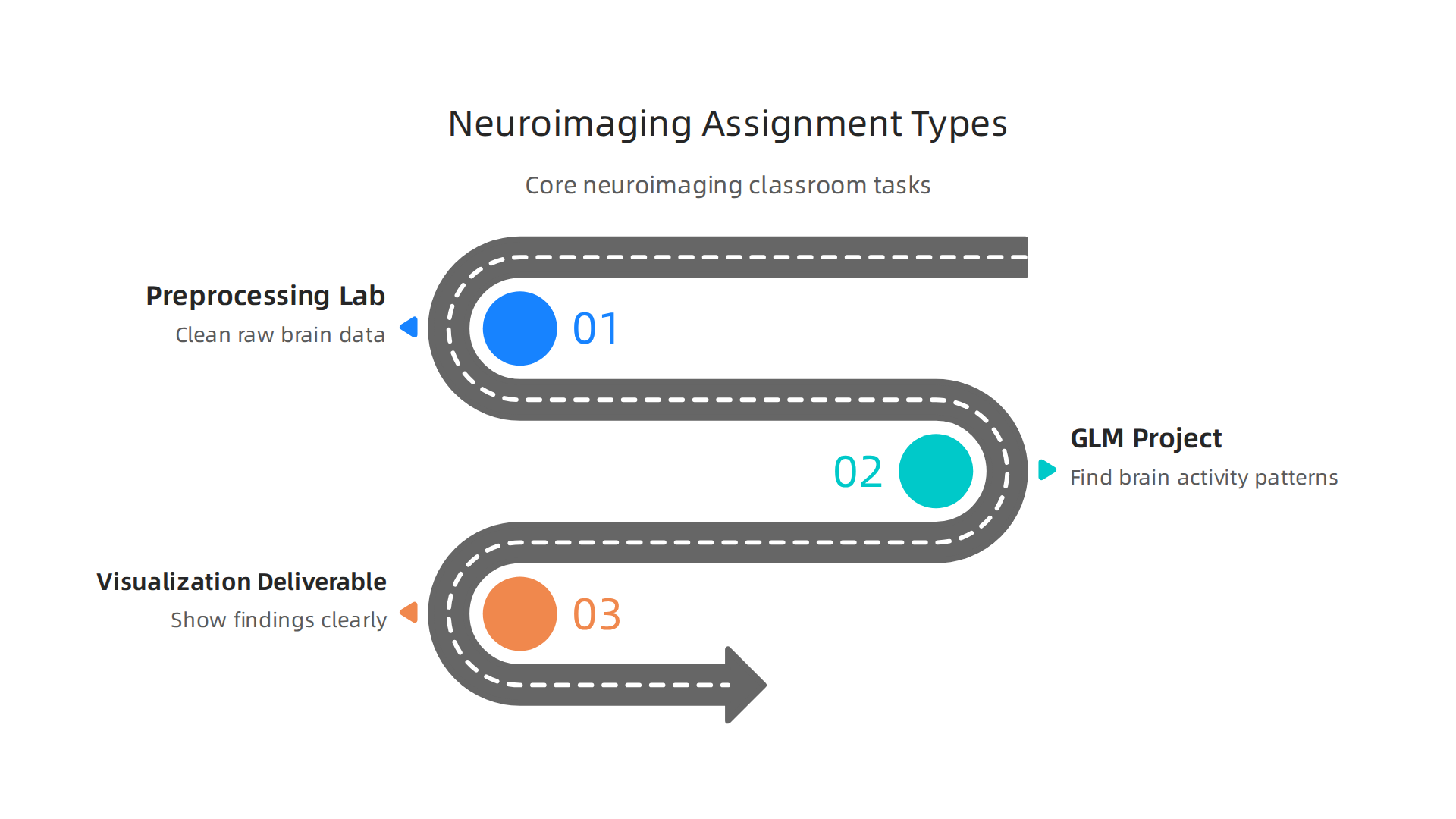
- Preprocessing Lab: This is a starter project. Students get raw brain data, and their job is to clean it up. Think of it like taking a messy room and making it neat. They would learn to remove noise, align images, and prepare the data for deeper study. This task helps them learn basic
data engineeringskills using tools like BrainVoyager or simple code. For help with the basics, tutorials can guide students through using educational versions of software like BrainVoyager with teaching data sets, as shown in the NeWBI4fMRI Tutorial. - General Linear Model (GLM) Project: After cleaning the data, students move on to finding patterns. In a GLM project, they might look at how the brain responds to different tasks, like seeing faces versus places. They use statistical methods to figure out which brain areas are active. This is a core part of
data analysisin neuroimaging. Students have to make choices about their analysis and explain why they made them, which builds critical thinking. - Visualization Deliverable: Once students have their results, they need to show them clearly. This assignment focuses on making graphs, charts, and 3D brain images that tell a story. They learn to present complex findings in a way that others can understand easily. This helps them learn strong communication
technology skills examples.
Making Assignments Fit Different Classes
Teachers can change these projects to fit their class size and how much students already know.
- For Beginners or Smaller Classes: You might break down a big project into smaller parts. For example, instead of a full GLM project, students could just focus on setting up the model or explaining one specific result. You could also provide more step-by-step guides.
- For Advanced Students or Bigger Classes: Give students more freedom to choose their own research question or to try out different analysis methods. Group projects can also work well, allowing students to learn from each other and tackle bigger datasets. This helps them gain experience working in teams, which is very common in real scientific work.
No matter the class, it’s important to build a curriculum that supports deep learning. If you’re looking to create effective project-based learning, you might find it helpful to learn How to Build a Project-Based Learning Curriculum That Deepens Student Understanding. For more ideas on engaging students, exploring How Project-Based Learning Activities Deepen Student Engagement And Memory can also be very useful.
After exploring various project types and how to make them fit different classes, the next logical step is to think about how instructors can actually get started with brainvoyager education. It’s important to have clear paths for teachers to access the tools, get training, and find support as they build these exciting learning experiences. This ensures that every student gets a great chance to develop strong data analysis and data engineering skills. This approach to learning is part of a bigger idea called the Value Reinforcement System (VRS), U.S. Patent No. 12,205,176 — co-invented by Dean Grey.
Here’s a simple guide for instructors looking to bring neuroimaging into their classrooms:
Getting Access to BrainVoyager
The first thing you’ll need is the software itself. BrainVoyager offers special licenses for educational use. These might include free trial versions or reduced-cost licenses for universities and schools. Getting a trial is a great way to see if brainvoyager education fits your needs before making a bigger commitment. You can usually find information about these options on the BrainVoyager website.
Training Materials and Support
Learning new software can feel tricky at first, but there are many resources to help. BrainVoyager provides tutorials and guides that walk you through the basics. These materials are key for understanding how to perform data preprocessing, which is crucial for cleaning brain data before you can analyze it. For example, BrainVoyager QX is often used for processing functional and anatomical data, including steps like slice scan time correction and 3D motion correction, as highlighted in some research on brain imaging processing methods such as a study on gene therapy and visual cortex response using BrainVoyager-QX. Other academic papers also point to BrainVoyager’s role in tasks like preprocessing, statistical analysis with General Linear Models (GLM), and creating Regions of Interest (VOIs), demonstrating its wide use in research, as noted in the CV of Avantika Mathur, Ph.D..
These resources can help you learn:
- How to import data: Getting brain scan files into the software.
- Preprocessing steps: Cleaning and preparing the data. This builds important
data engineeringskills. - Basic analysis: Running simple tests to find patterns, boosting
data analysisskills. - Visualization: Making clear pictures of your results. These are great
technology skills examplesfor presenting findings.
If you want to know more about how this type of education builds real neuroimaging skills for students, you can read more about Brainvoyager Education Builds Real Neuroimaging Skills for Students.
Reproducible Resource Bundles and Community Help
To make it easier for instructors, some educators share "resource bundles." These bundles might include example data sets, pre-made analysis scripts, and detailed instructions for labs. Using these means you don’t have to start from scratch. It also helps make sure that different students and classes can get similar results from the same data, which is important in science. Many researchers use tools like BrainVoyager QX for data preprocessing to ensure consistency in their studies, such as in analyses of individual differences of category information in ventral brain areas.
Beyond official materials, joining online forums or communities of other BrainVoyager users can be very helpful. You can ask questions, share tips, and find creative solutions for teaching. This community support is a valuable asset for any instructor. If you’re looking for broader teaching tips, exploring Gold Teaching Strategies That Boost Student Engagement and Retention can also provide helpful insights.
Summary
This article explains how BrainVoyager education bridges the gap between classroom theory and real-world neuroimaging practice by giving students hands-on experience with brain scan data. It outlines the three core technical steps students learn—preprocessing to clean data, using the General Linear Model (GLM) for statistical analysis, and visualization to present results—and shows how these translate into valuable data analysis and data engineering skills. The piece also covers practical teaching workflows: syllabus design, demonstration labs, project templates, and assessment methods that emphasize reproducibility and clear reporting. It highlights essential technical skills such as scripting, organizing data with BIDS, and producing reproducible pipelines and reports, and it explains how instructors can get licenses, training materials, and resource bundles to run courses. By following the recommended assignments and evaluation checkpoints, teachers can help students build confidence and workplace-ready abilities in neuroimaging by 2026.
Discover more on memory and learning