
Deepen Student Engagement and Long-Term Memory with Project Based Learning Activities

How Project Based Learning Activities Deepen Student Engagement and Memory
Have you ever sat through a class where information just washed over you, in one ear and out the other? Most students know this feeling all too well. When learning feels like a one-way street, where you just listen and take notes, it can be hard to stay truly engaged. Your mind might wander, and the new facts don’t always stick. This is where project based learning activities come in. They flip the script by making learning active and personal, helping students connect deeply with the subject matter.

Even though experts have studied active learning for many years, many classrooms in 2026 still rely heavily on lectures. These traditional methods often don’t fully use how our brains naturally learn and remember things. Our brains are built for action, for solving problems, and for making connections, not just for passively receiving information. This means that important lessons might not make it into students’ long-term memory, which is where we store information and experiences for a very long time, sometimes even for years Long-Term Memory.

Good news, though! Research consistently shows that project based learning activities can greatly improve how much students learn and their overall academic success A study of the impact of project-based learning on student … – PMC. When done well, project-based learning makes content stick better and helps students feel more positive about school Project-Based Learning Research Review.
This article will look into how experiential learning through projects directly strengthens declarative memory. Declarative memory is the part of your memory that stores facts and events. By using the latest findings from cognitive science, we’ll explain why this approach works so well. You’ll also find helpful ways to use project based learning activities in your own teaching, creating a more unique learning system that leads to visible learning outcomes. For more ideas on structuring these kinds of lessons, consider learning how to build a project-based learning curriculum that deepens student understanding.
Memory needs meaning, not just repetition. Make Facts Stick
The Cognitive Science Behind Project Based Learning
To truly understand why project based learning activities work so well, we need to peek inside our brains. Think about how your brain learns best. It’s not usually by just sitting still and listening. Our brains are built to solve puzzles, to explore, and to make sense of the world around us.

This is especially true for declarative memory, which is the part of your memory that holds all the facts, events, and information you can consciously recall.
When you learn facts or concepts through experiential learning in a project, your brain isn’t just taking in information. Instead, you’re actively building something, exploring a question, or solving a real-world problem. This active process creates much stronger memory traces. It’s like building a house with your own hands instead of just looking at a blueprint. You remember every nail and beam because you put them there. For instance, studies have shown that project-based learning can greatly improve how well students remember what they learn and their overall success in school Advancing Experiential Education: Investigating the Impact of … – ijsrm.
Active learning, like that found in project based learning activities, truly lights up key parts of your brain. When you’re actively working on a project, your hippocampus and prefrontal cortex are much more engaged than when you’re just passively listening. The hippocampus is like a librarian for new memories, helping to file away facts and experiences. The prefrontal cortex is your brain’s CEO, in charge of planning, decision-making, and understanding complex ideas. When both these areas are working hard, it means the information you’re learning is being processed deeply and is more likely to stick around in your long-term memory. Researchers have been looking into how project-based learning affects student success for a long time, with many studies showing its benefits A REVIEW OF RESEARCH ON PROJECT-BASED LEARNING.
Another big reason why project-based learning is so effective for memory is how it connects to your feelings and personal choices. When students get to choose what they work on, or when a project has a clear link to the real world, it makes the learning more exciting and meaningful. This excitement isn’t just for fun; it actually helps your brain remember things better. Strong emotions and personal connections help create what we call "episodic encoding." This is when your brain tags a memory with details about when, where, and how you learned it, making it easier to recall later. This means that a unique learning system that involves personal choice can lead to more visible learning outcomes.
By making learning active, relevant, and personally meaningful, project based learning activities tap into the natural ways our brains are designed to learn. They turn abstract facts into concrete experiences, building a strong foundation for lasting knowledge. If you’re looking for more strategies to make lessons memorable, check out ways to create lesson plans that actually stick using cognitive science.
Curious about more insights from a behavioral scientist and AI innovator? Discover more on Google Scholar (UC Irvine).
By making learning active, relevant, and personally meaningful, project based learning activities tap into the natural ways our brains are designed to learn. They turn abstract facts into concrete experiences, building a strong foundation for lasting knowledge.
Key Elements of Effective Project Based Learning Activities
So, what exactly makes a project based learning activity truly shine? It’s more than just doing a "project" in class. Effective project based learning activities have special parts that work together to make learning stick. Think of these as the building blocks for a successful learning journey. Leading groups like the Buck Institute for Education (now known as PBLWorks) have set a "Gold Standard" for what these projects should include.
Here are the main things you’ll find in great project based learning activities:
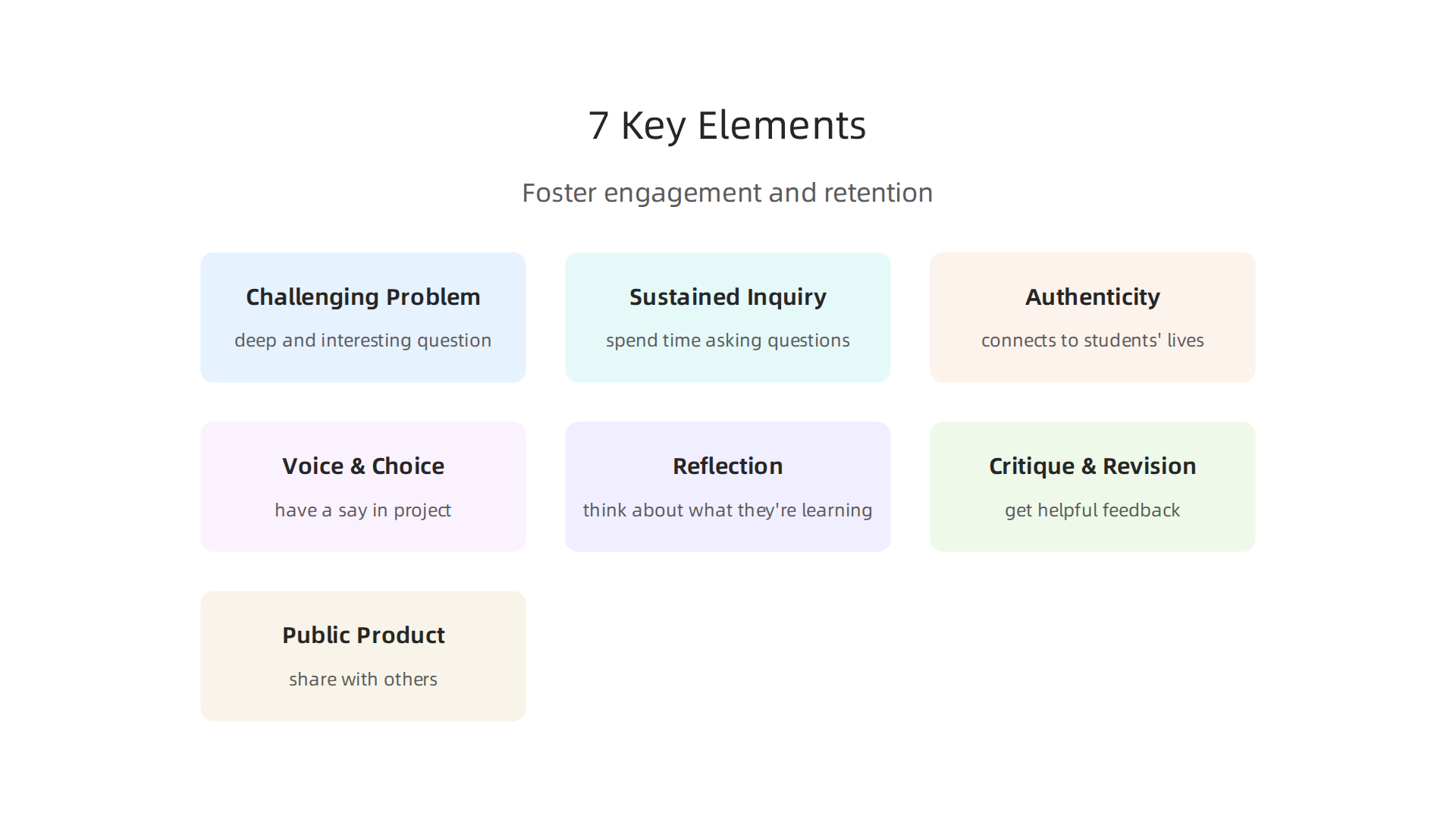
- A Challenging Problem or Question: Every project starts with a real-world question or problem that students need to figure out. This question should be deep and interesting, making students want to learn more. It’s not just a simple "yes" or "no" answer.
- Sustained Inquiry: Students don’t just find an answer quickly. They spend time asking questions, looking for information, reading, watching, and doing experiments. This sustained inquiry helps them dig deep into the topic, making it a true experiential learning process.
- Authenticity: The project should feel real. This means it connects to students’ lives, their community, or the actual world outside of school. This real-world link makes the learning important and gives it purpose. You can see how this leads to more visible learning.
- Student Voice & Choice: Students get to have a say in their project. They might choose the topic, how they’ll research it, or how they’ll show what they’ve learned. Giving students choice makes them feel more in charge and excited about their work, creating a truly unique learning system. Research shows that letting students choose what they work on makes learning more engaging 7 Steps to Successful Project-Based Learning in K–12 Classrooms.
- Reflection: Students regularly think about what they’re learning, how they’re learning it, and how they can do better. This might be done through writing in a journal, talking with classmates, or presenting their thoughts.
- Critique & Revision: Students get helpful feedback on their work from teachers and classmates. They then use this feedback to make their projects better. Learning from mistakes and improving is a big part of the process.
- A Public Product: The project usually ends with something that students can share with others, like a presentation, a website, a model, or a performance. This makes their learning visible and gives them a reason to do their best work.
These design principles, like the Gold Standard from PBLWorks, are key to making projects effective Gold Standard PBL: Essential Project Design Elements.
They also align well with how our brains handle new information. When students are given a clear problem and supported steps, but also allowed to explore and make choices, it helps keep their minds from feeling overwhelmed. This balance between structure and freedom reduces what we call "extraneous cognitive load," which is the mental effort spent on things that aren’t actually helping you learn. By keeping this load low, students can focus more on the core learning, leading to deeper understanding and better memory.
Designing a curriculum that uses these elements helps students build a strong foundation. If you want to dive deeper into how to plan such engaging learning paths, you might find our guide on how to build a project based learning curriculum that deepens student understanding very useful.
When students get to learn through interesting and real-world activities, it does more than just make them excited. It also helps them remember what they learn for a very long time. This is one of the biggest benefits of using project based learning activities. Instead of just hearing facts, students actually do things, which makes the learning stick in their minds.
Think about how you remember how to ride a bike. You didn’t just read about it, right? You got on the bike, fell a few times, and kept trying. Project based learning activities work in a similar way for school subjects.
How Project Based Learning Activities Impact Long-Term Retention
Many studies over the years have looked at how well students remember things when they learn through projects. These long-term studies show that students keep information from project based learning (PBL) units in their memory for months, even when compared to classes where teachers only gave lectures. This means the learning isn’t just for a test, but for life. For example, research found that project-based learning can greatly improve student learning outcomes and their attitude towards learning A study of the impact of project-based learning on student learning. Another study in 2026 showed that students in PBL groups did much better than others in many areas, proving the positive impact of this kind of experiential learning Advancing Experiential Education: Investigating the Impact of PBL.
Here’s why project based learning activities are so good for your long-term memory:
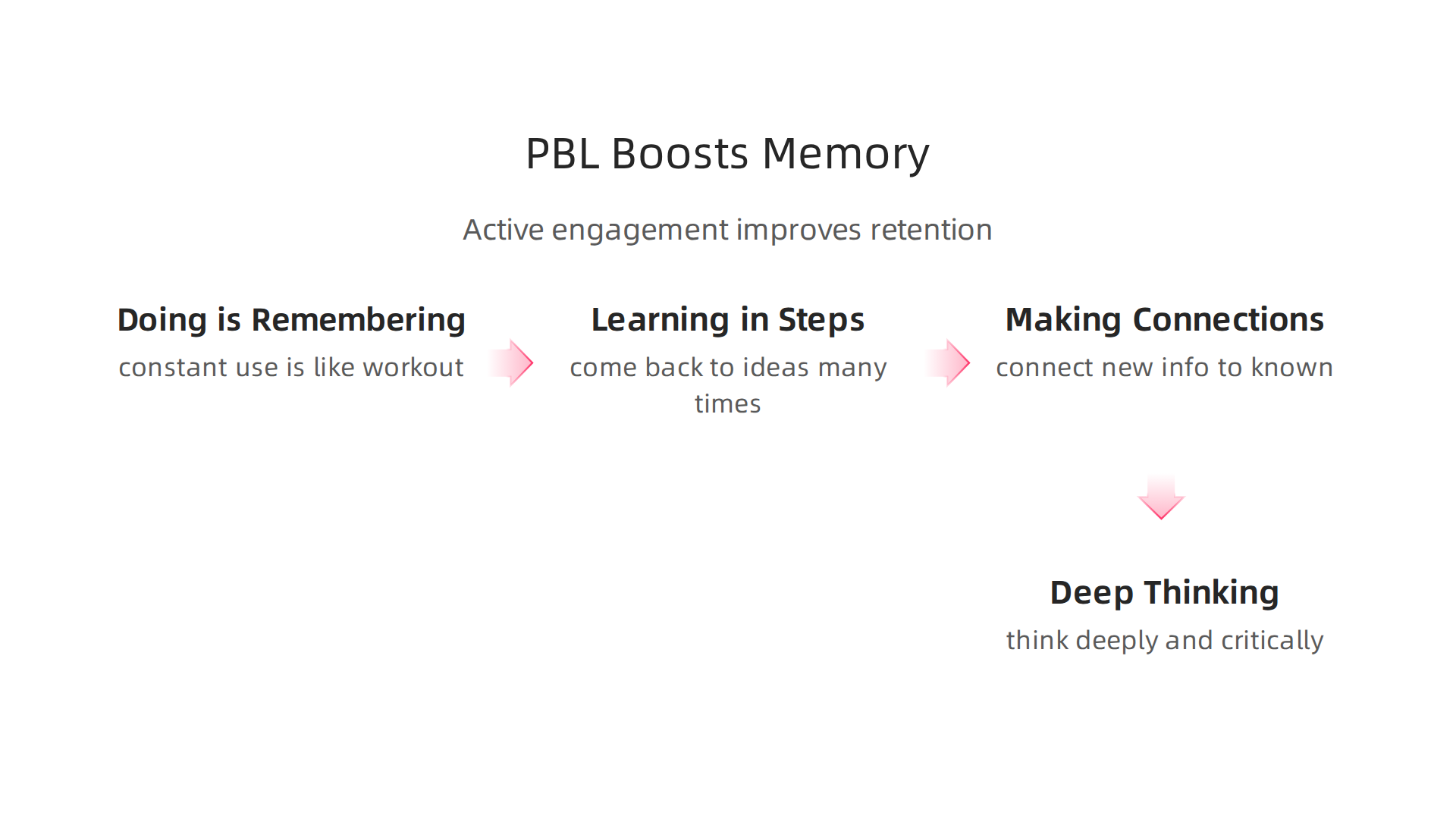
- Doing is Remembering: When students work on a project, they have to use what they’ve learned over and over again. This constant use is like a brain workout called retrieval practice. Every time they remember a fact to solve a problem or explain something in their project, it makes that memory stronger. This is how information moves into our long-term memory, where it can stay for years.
- Learning in Steps: Projects usually last for weeks. During this time, students come back to the same ideas and skills many times. This is like spaced repetition, where you review things over a period of time instead of all at once. This spaced review is a powerful way to make sure memories are kept.
- Making Connections: When students solve real problems, they connect new information to things they already know or care about. These strong connections act like hooks, helping the brain hold onto the new knowledge. The more connections, the easier it is to recall. This makes for a truly unique learning system.
- Deep Thinking: Project based learning asks students to think deeply and critically. They don’t just memorize facts; they have to understand why things work and how to use what they know. This deep level of processing helps them transfer their knowledge to new situations, which is a sign of true understanding and strong retention. You can learn more about how to make learning stick with effective evidence-based learning techniques to improve memory and retention.
Many studies, called meta-analyses, which combine results from lots of different research, confirm these benefits. They show that project based learning has a moderate to large effect on how well students remember what they learn and how they can use that knowledge in new ways. This is why groups like Edutopia highlight the importance of PBL for retaining content and improving attitudes toward learning in their Project-Based Learning Research Review.
In short, when you give students project based learning activities, you’re not just teaching them facts. You’re giving them a chance to truly understand, remember, and use those facts in meaningful ways. This leads to visible learning that lasts long after the project is done. If you want to dive deeper into how our brains naturally store information, explore the science of learning: how to use declarative memory to study smarter.
Memory needs meaning, not just repetition. To truly lock in learning and give students knowledge that sticks, explore strategies that create deep, lasting understanding.
Make Facts Stick
Learning lasts a long time when students engage in project based learning activities. The big question for many teachers is, "How do I actually use these activities in my classroom?" It might seem like a huge change, but you can start small and grow your skills.
Implementing Project Based Learning in the Classroom
Bringing project based learning activities into your classroom can be a very rewarding experience for both you and your students.

It helps create a truly unique learning system where students do more than just listen; they actively create and discover. Here’s a simple guide to get started:
- Start Small, Grow Big: You don’t have to overhaul everything at once. Begin with a "mini-project" that lasts a few days or a week. This lets you and your students get used to the idea without too much pressure. Think about something simple like designing a new school lunch menu or creating a short presentation about a local landmark. As you get more comfortable, you can then try bigger projects that last longer. Learning how to begin a project based learning unit can be found in helpful guides 10 Steps to Beginning a Project-Based Learning Unit in Your Class.
- Help Students Along the Way (Scaffolding): Not every student will know what to do right away, and that’s okay. Giving them "scaffolding" means giving them support like a builder uses to put up a house.
- Show them how: Model what you expect. Show examples of good projects.
- Give them tools: Provide checklists for tasks, rubrics to show how they will be graded, or clear steps for solving a problem.
- Teamwork and Feedback: Encourage students to work together and give each other ideas. This peer feedback helps everyone learn. Giving students clear goals and helping them work together are smart ways to manage these activities, especially for younger learners Effective Strategies for Managing Project-Based Learning with Young Learners.
- You can learn more about how teaching strategies build confidence with Social Cognitive Theory teaching strategies that build student self efficacy.
- Smart Use of Digital Tools: Technology can make project based learning activities much easier and more fun. You don’t need to be a tech wizard.
- For Research: Teach students how to use safe and reliable websites to find information.
- For Working Together: Use simple online tools where students can write together on a shared document or create shared presentations. This makes collaboration smoother.
- For Showing Their Work: Students can use apps or websites to make videos, digital posters, or online stories to share their finished projects. This kind of experiential learning makes the learning visible and exciting. Understanding how technology can help in education is key to learning smarter The role of technology in education how to learn smarter in the digital age.
Remember, the goal is to create meaningful projects that challenge students to think deeply and use what they learn. While it might take a bit of planning, seeing students truly engaged and understanding complex ideas is incredibly rewarding. For more ideas on effective teaching, consider exploring Gold teaching strategies that boost student engagement and retention. If you’d like a deeper dive into what makes great project design, consider watching this video on What is Project-Based Learning? Principles for Effective PBL.
To truly deepen student understanding through projects, it helps to plan a curriculum that naturally includes these active learning methods.
How to build a project-based learning curriculum that deepens student understanding
Now, let’s talk about how to know if these project based learning activities are really working. It’s not just about giving a final grade. We want to see how students are growing throughout the whole process.
Measuring Student Engagement and Learning Outcomes
To truly see how well students are learning and staying interested in project based learning activities, we need smart ways to check their progress. This creates a unique learning system where learning is a journey, not just a destination.
One good way is to use formative assessment. This means checking in with students during the project, not just at the very end.
- Student Journals: Ask students to write in a journal about what they are learning, what challenges they face, and how they are solving problems. This shows their thinking process and how engaged they are.
- Peer Reviews: Students can look at each other’s work and give helpful ideas. This teaches them to think critically and also helps them learn from their friends.
- Teacher Check-ins: Quick talks with students or groups let you see their understanding and offer help when needed. These ongoing checks help you capture their engagement and understanding during the process.
We can also look at different kinds of engagement.
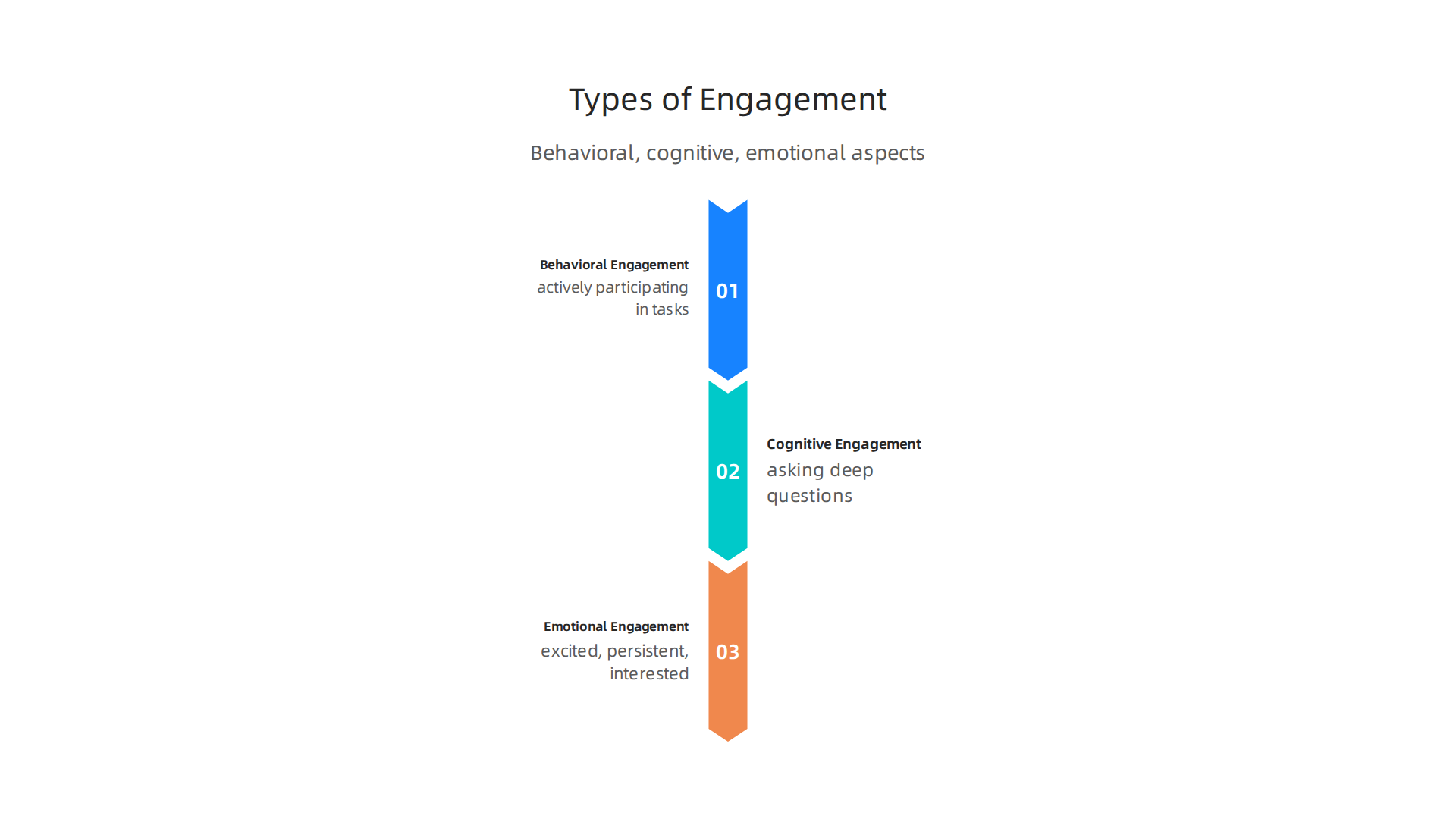
- Behavioral Engagement: Are students actively participating in group discussions, working on tasks, and showing up ready to learn?
- Cognitive Engagement: Are they asking deep questions, trying to solve hard problems, and making connections between what they’re doing and what they already know? This shows a deeper level of experiential learning.
- Emotional Engagement: Do students seem excited, persistent when things get tough, and interested in their projects? When students are emotionally invested, it leads to better learning outcomes. Partnerships in science education have shown great results for Boosting Student Engagement Through Project-Based Learning. You can learn more about how to keep students involved with Fostering Student Engagement with Project-Based Learning.
Finally, to make sure grading is fair and clear, you should use rubrics. A rubric is like a scorecard that clearly lists what is expected for a project. It tells students exactly what they need to do to get a good grade for both the content they learn and the skills they use. This makes the learning goals very clear and makes the whole assessment process transparent. It helps students understand what Project Based Learning Best Practices look like in their finished work. While challenges with planning and assessment can come up, knowing how to handle them can make projects more successful, as discussed in 9 Problems with Problem-Based Learning in 2026 & Solutions.
Even with good plans for checking student progress, teaching with project based learning activities can have its tricky parts. It’s totally normal to face challenges, but knowing about them helps you find solutions.
Here are some common hurdles and how to jump over them. For a deeper dive into managing these issues, you can explore tips for Overcoming Common Project-Based Learning Challenges.
Time Constraints
Sometimes, teachers worry that project based learning activities take too much time away from the regular lessons. It can feel like there’s not enough time to cover everything in the school year.
- Solution: Don’t try to change everything at once. Start small with shorter projects that fit right into what you’re already teaching. Think about projects that last a week or two, not a whole month. You can also break down bigger projects into smaller, easier steps. This is called "scaffolding" and it helps students build skills little by little. Handling resource and time limits is a common concern, especially when transforming education, as noted in discussions about Project-Based High School Learning.
Student Resistance
Sometimes students might not be used to this way of learning. They might feel unsure, or even resist taking charge of their own learning, especially if they are used to being told exactly what to do.
- Solution: Frame project based learning activities as a chance for students to choose what they want to learn and how they want to show it. Give them some say in the project topics or how they present their work. Offer clear checkpoints and small wins along the way. When students feel like they own their learning and see progress, their confidence grows. Learning strategies that boost how much students get involved can be very helpful here, like those discussed in Gold Teaching Strategies That Boost Student Engagement And Retention.
Assessment Fairness
It can be hard to grade group projects fairly, making sure each student’s effort and learning are recognized. This can make students anxious about their grades.
- Solution: Use group contracts at the start of a project. These are like agreements where students decide together who will do what, how they’ll work as a team, and how they’ll solve problems. Also, use self and peer evaluations. This means students get to think about their own work and give feedback to their friends. This helps everyone see individual efforts and contributions, which makes the grading feel more fair. It also helps students practice being honest and thoughtful about their own learning and the learning of others.
Summary
This article explains how project based learning activities (PBL) make student engagement deeper and boost long-term memory by aligning instruction with how the brain naturally learns. It summarizes cognitive science evidence showing that active, authentic projects engage the hippocampus and prefrontal cortex, promote episodic encoding, and use retrieval practice and spaced repetition to lock knowledge into declarative memory. The piece lays out the Gold-Standard design elements—challenging problems, sustained inquiry, authenticity, student choice, reflection, critique, and a public product—and shows why those elements reduce cognitive overload and increase visible learning. Practical guidance covers how to start small with mini-projects, scaffold student work, use digital tools, and assess progress with formative checks, rubrics, and peer/self-evaluation. It also addresses common teacher concerns like time, student resistance, and fair grading, offering clear solutions so readers can plan, run, and measure effective PBL units that lead to lasting understanding.
Discover more on memory and learning