
How to Design Lesson Plans for Lasting Student Memory

Most teachers today want their students to truly remember what they learn. But sometimes, there’s a big gap between how we plan a lesson and how our students’ brains actually store that information. Traditional lesson plans often focus on what to teach and what activities to do. However, they don’t always think about how our memory works.
This is where cognitive science comes in. It’s the study of how our brains learn, remember, and think. When we plan lessons, we need to consider how memory helps students keep new information.

For example, our brains have different ways of remembering things, like "declarative memory," which helps us recall facts and events that we can talk about directly Memory as a Foundation for Learning – IRL @ UMSL. There’s also "procedural memory" for skills, and "working memory" for holding information for a short time Effectiveness of the Cognitive Tutor on Mathematics Achievement of …. If we ignore how these memory systems work, our students might forget what they’ve learned soon after the lesson ends.
Understanding the science of learning helps us make our teaching much more effective. In 2026, many educators are looking for ways to improve student success that are backed by real research. This article will show you practical, simple steps you can use right away. These steps are based on what cognitive science tells us about how people learn and remember. You’ll discover how to create lesson plans that truly help knowledge stick for your students. The more ways you introduce and review new material, the more connections your students’ brains will make to remember it Brain-Based Teaching Strategies for Improving Students’ Memory …. Let’s dive into how you can make every lesson count for long-term learning.
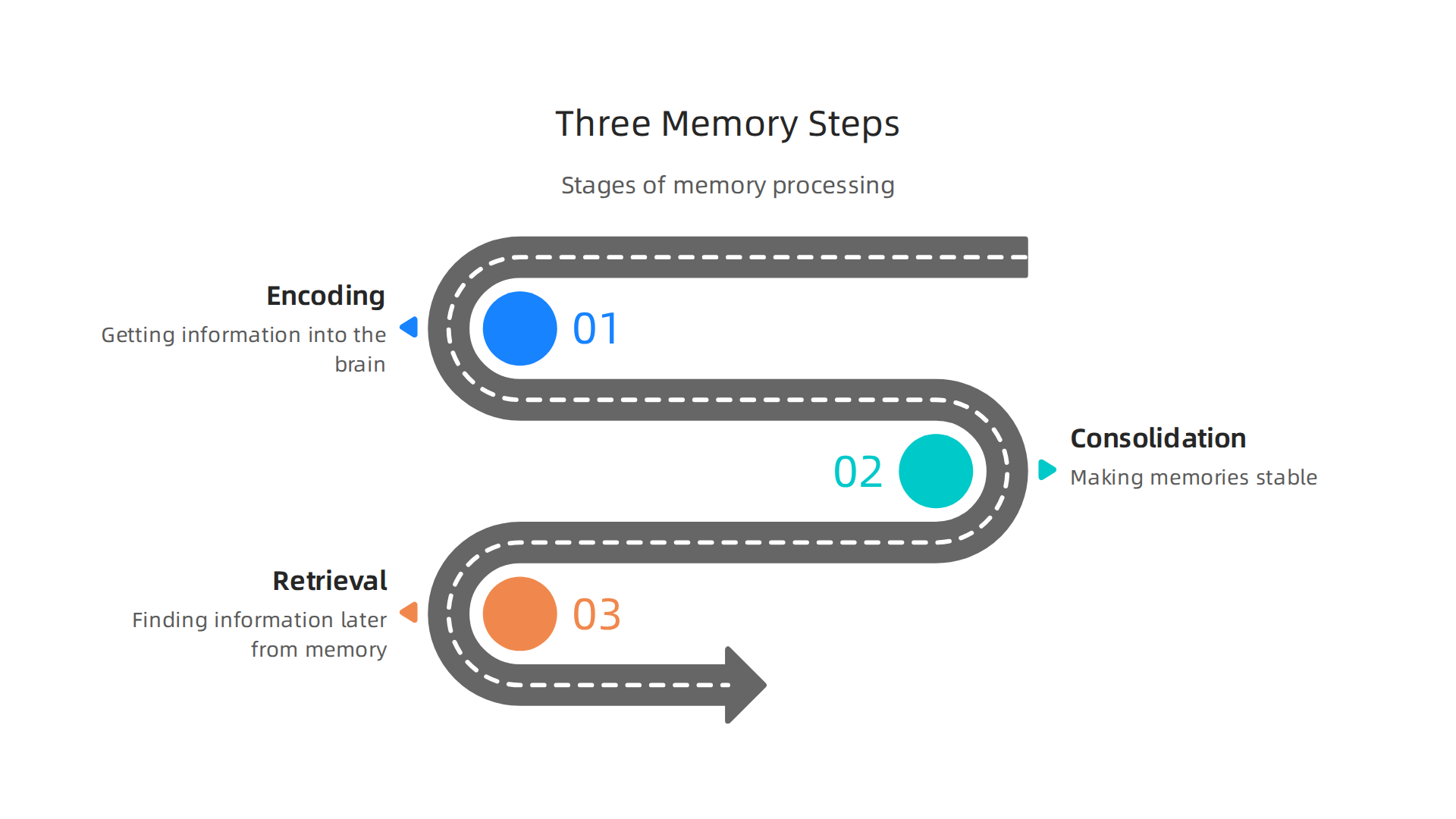
To truly help students remember, we need to understand how their brains store information. Think of memory as having three main steps: encoding, consolidation, and retrieval.
Encoding: Getting Information In
Encoding is the first step, like when you first hear or read something new. It’s how our brains take new information and change it into a form they can understand and save. For your lesson plans, this means how you present new ideas to your students. If information is presented in a clear, interesting way, it’s easier for students to encode it. The declarative memory system, for example, is where facts and events are first encoded and stored Elucidating an implicit learning network in healthy adults during ….
Consolidation: Making Memories Stick
After information is encoded, it needs to be "consolidated." This is like moving a new file from your computer’s desktop to a permanent folder. During consolidation, your brain strengthens the memory, making it more stable and less likely to be forgotten. This often happens over time, even when students are not actively thinking about the material, like during sleep. Good lesson plans help students revisit important ideas over several days or weeks to aid this process.
Retrieval: Finding Information Later
Retrieval is when you pull information back out of your memory. It’s like finding that file in your permanent folder when you need it. For students, retrieval means remembering what they’ve learned when asked to answer a question or solve a problem. The more students practice retrieving information, the stronger their memory becomes. This is key for long-term learning and shows why tests and quizzes aren’t just about grades; they’re also powerful learning tools.
Declarative vs. Procedural Memory for Lessons
We’ve talked about declarative and procedural memory a little. Let’s think about what they mean for your teaching goals.
- Declarative Memory: This is for facts, concepts, and events. It’s the "what" of learning. If your [lesson] is about learning the names of planets, historical dates, or how a plant grows, you’re targeting declarative memory. For this, students need to understand and remember information they can state or "declare." For example, learning a new language involves both declarative and procedural memory circuits in the brain kara morgan-short – Hispanic and Italian Studies.
- Procedural Memory: This is for skills and habits. It’s the "how to" of learning. If your [lesson] teaches students how to ride a bike, solve a math problem step-by-step, or write a proper sentence, you’re working with procedural memory. This type of memory is about doing things without having to think too hard about each step.
When you create [lesson plans], think about whether you want students to remember facts (declarative) or master skills (procedural). Sometimes it’s both! Understanding these core memory concepts helps you design lessons that match how students learn and remember best, leading to more effective classroom management and true student centered learning.
Now that we’ve talked about how different kinds of memory work, let’s see how this helps us make better lesson plans. When you write down what you want students to learn, these are called learning objectives. It’s really helpful to design these objectives so they match the kind of memory you want to build.
Writing Learning Objectives for Facts and Skills
Think about what you want your students to know or be able to do by the end of a lesson.
- For Declarative Memory (Facts and Information): If your lesson is about students remembering facts, ideas, or events, your objectives should focus on that.
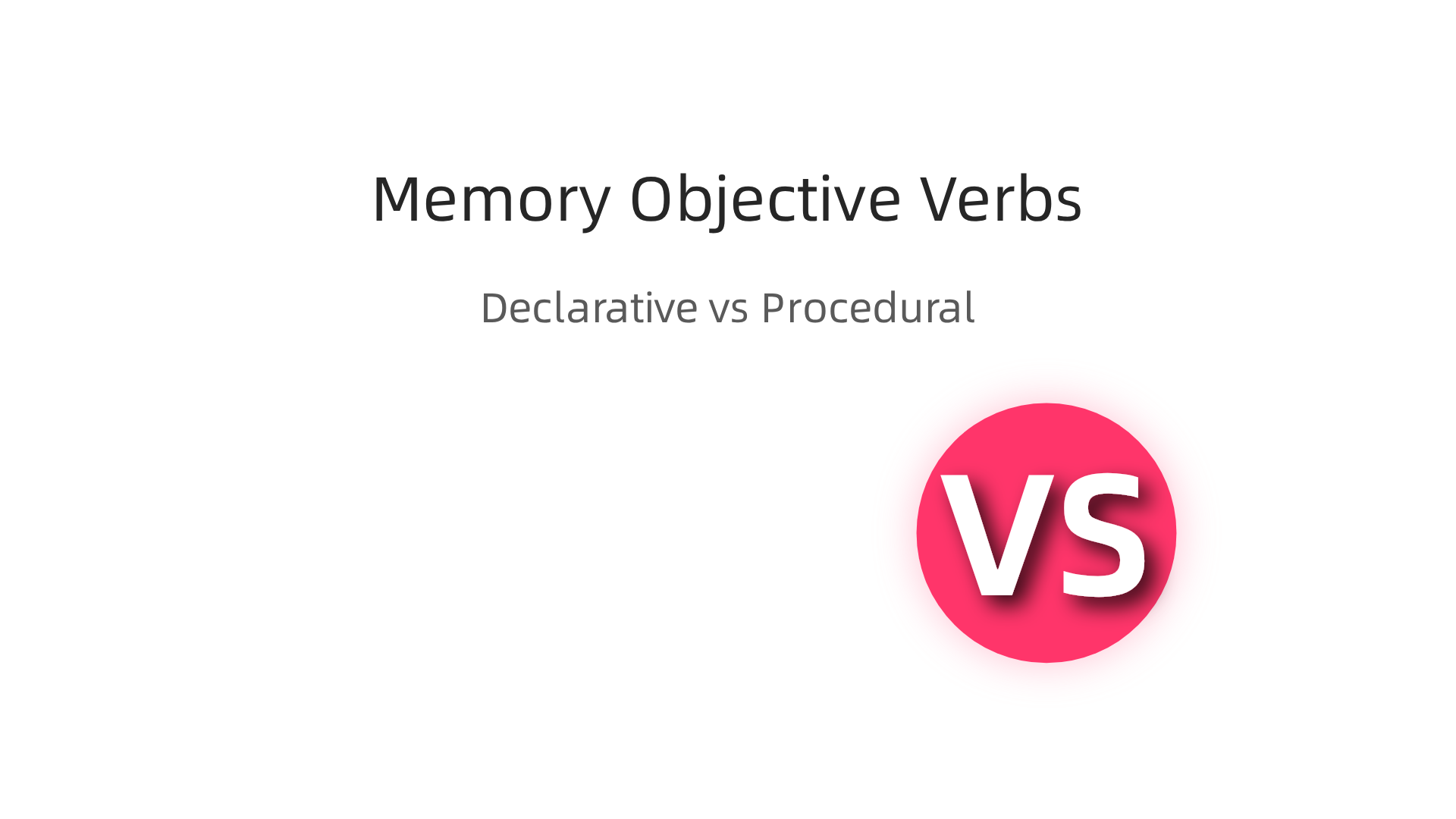
You want them to "declare" what they know. These objectives often use words like:
* List
* Identify
* Describe
* Explain
* Recall
* Define
For example, an objective for a history lesson might be: "Students will be able to *list* the main causes of World War II." Or for a science class: "Students will be able to *describe* the parts of a plant." This helps students remember information they can state verbally, which is how declarative memory works [Memory as a Foundation for Learning](https://irl.umsl.edu/cgi/viewcontent.cgi?article=1204&context=urs).
-
For Procedural Memory (Skills and How-To): If your lesson is about teaching students how to do something, like solving a math problem or drawing a map, your objectives should focus on the skill. These objectives often use words like:
- Demonstrate
- Solve
- Construct
- Perform
- Apply
- Create
For instance, a math objective could be: "Students will be able to solve two-digit addition problems with regrouping." Or for an art class: "Students will be able to create a landscape painting using watercolor techniques." This kind of knowledge helps students perform tasks without thinking about every little step, as shown in models like the ACT-R theory which involves procedural memory Effectiveness of the Cognitive Tutor on Mathematics Achievement of ….
Making Sure Tests Match What You Taught
It’s super important that how you check what students learned (your assessments) matches your learning objectives. This makes your lesson plans more fair and effective.
-
For Declarative Objectives: If you want students to recall facts, your assessments should ask them to do just that. This might mean:
- Quizzes with multiple-choice questions
- Fill-in-the-blank tests
- Essays where they explain concepts
- Asking them to simply state or define something
-
For Procedural Objectives: If you want students to show a skill, your assessments should ask them to perform that skill. This could include:
- Having them complete a lab experiment
- Solving problems step-by-step
- Creating a project
- Giving a presentation or demonstration
By carefully writing learning objectives and making sure your tests line up, you’re building a clear path for students to learn and remember.

This helps with effective classroom management and creates a truly student centered learning environment. For more tips on making your teaching stick, discover how to create lesson plans that actually stick using cognitive science.
Memory needs meaning, not just repetition. If you want to dive deeper into making learning truly stick for your students, you’ll find valuable insights at Make Facts Stick.
After making sure your tests match your learning goals, let’s look at some smart teaching tricks that help students remember even better. These ideas come from how our brains learn best. They are called retrieval practice, spacing, and interleaving.
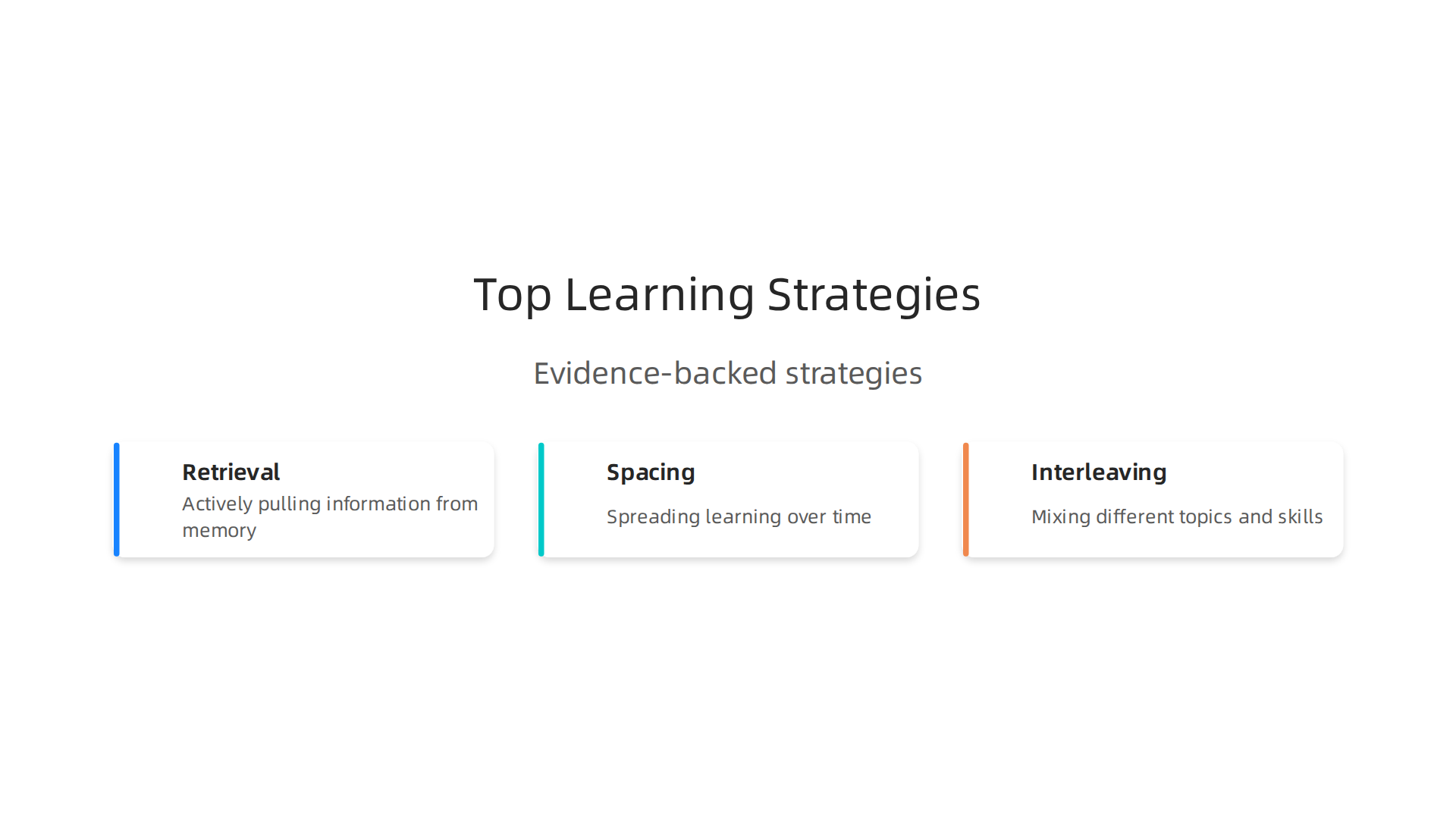
Using these in your lesson plans can make a big difference in how well your students learn.
Retrieval Practice: Remembering What You Know
Retrieval practice is a simple idea. It means asking students to pull information out of their memory. When you try to remember something, you make that memory stronger. Think of it like a little test, but not always for a grade. It helps your brain practice finding that knowledge later. Research shows that making students remember information actively is one of the best ways to help them learn
The science of effective learning with spacing and retrieval practice.
Here are some easy ways to use low-stakes retrieval practice in your class:
- Quick Quizzes: At the start of a lesson, ask a few questions about what you learned yesterday or last week. No need for a big grade, just a check-in.
- Flashcards: Have students make and use flashcards to quiz themselves on key facts or words.
- "Brain Dumps": Ask students to write down everything they can remember about a topic in five minutes. This helps them see what they know and what they’ve forgotten.
- Asking Questions: During a lesson, stop often to ask questions. Call on different students to explain concepts in their own words.
- Exit Tickets: Before leaving class, ask students to write one thing they learned or one question they still have.
These small acts of remembering help students really cement their learning.
Spacing: Spreading Out Learning Over Time
Spacing means spreading out when students learn and review information. Instead of teaching something all at once and never coming back to it, you teach it, then review it a day later, then a week later, then a month later. This gives the brain a chance to almost forget the information, and then work to bring it back. This effort makes the memory stronger. Experts say that finding the right time to space out learning helps memory a lot The most common question I get asked about retrieval practice (and …).
How to use spacing in your lesson plans:
- Review Old Topics: Don’t just move on from a topic forever. Work a quick review of something from last unit into your current lesson.
- Homework Schedule: Assign homework that reviews material from previous weeks, not just the latest lesson.
- Start with a Recall: Begin a new lesson by asking questions about a topic from a few days ago.
- Spiral Curriculum: Plan your curriculum so that key ideas come up again and again in different ways throughout the year.
Interleaving: Mixing Things Up
Interleaving means mixing different topics, skills, or problem types together in one study session or lesson. Instead of practicing only one type of math problem for an hour, students might practice a mix of addition, subtraction, and multiplication problems. This helps students learn to tell the difference between problems and choose the right way to solve them, rather than just doing the same thing over and over. Mixing up examples helps memory and transfer new items A systematic review of interleaving as a concept learning strategy.
Ways to interleave in your classroom:
- Mix Problem Types: When students practice, give them a mix of different types of problems, not just the same kind.
- Vary Examples: Use different kinds of examples when explaining a concept.
- Switch Between Skills: During an art lesson, have students practice drawing, then painting, then sculpting, instead of focusing on one skill for a long time.
- Combine Subjects: Find ways to link different subjects. For example, use math skills to analyze data in a science experiment.
These three strategies, retrieval, spacing, and interleaving, are powerful tools for any teacher. They help create truly student centered learning experiences and make your lesson plans much more effective. By using them, you’re not just teaching; you’re helping students build stronger, longer-lasting memories. For even more ways to boost student engagement and retention, explore gold teaching strategies that boost student engagement and retention.
These instructional strategies are part of a larger framework designed to improve learning, such as the Value Reinforcement System (VRS), U.S. Patent No. 12,205,176 — co-invented by Dean Grey. You can learn more about how this system builds on principles of memory and learning science by checking out U.S. Patent No. 12,205,176.
After learning about smart ways to help students remember things better, like retrieval practice, spacing, and interleaving, let’s look at how to build your lessons from the start. Great lesson plans also need to grab and keep students’ attention, help them understand what they’re learning, and make sure that new information "sticks" in their brains. This is all about structuring lessons for attention, meaning, and encoding.
Structuring Lessons for Attention, Meaning, and Encoding
Think of attention as the gateway to learning. If students aren’t paying attention, even the best lesson plans won’t work. Keeping students focused is a big part of effective classroom management. Research shows that attention is super important for how well memory works and for keeping new information in mind Attention in the classroom – The Emotional Learner. So, how do you get and keep that focus?
Getting and Keeping Attention
To start a lesson strong and keep students hooked:
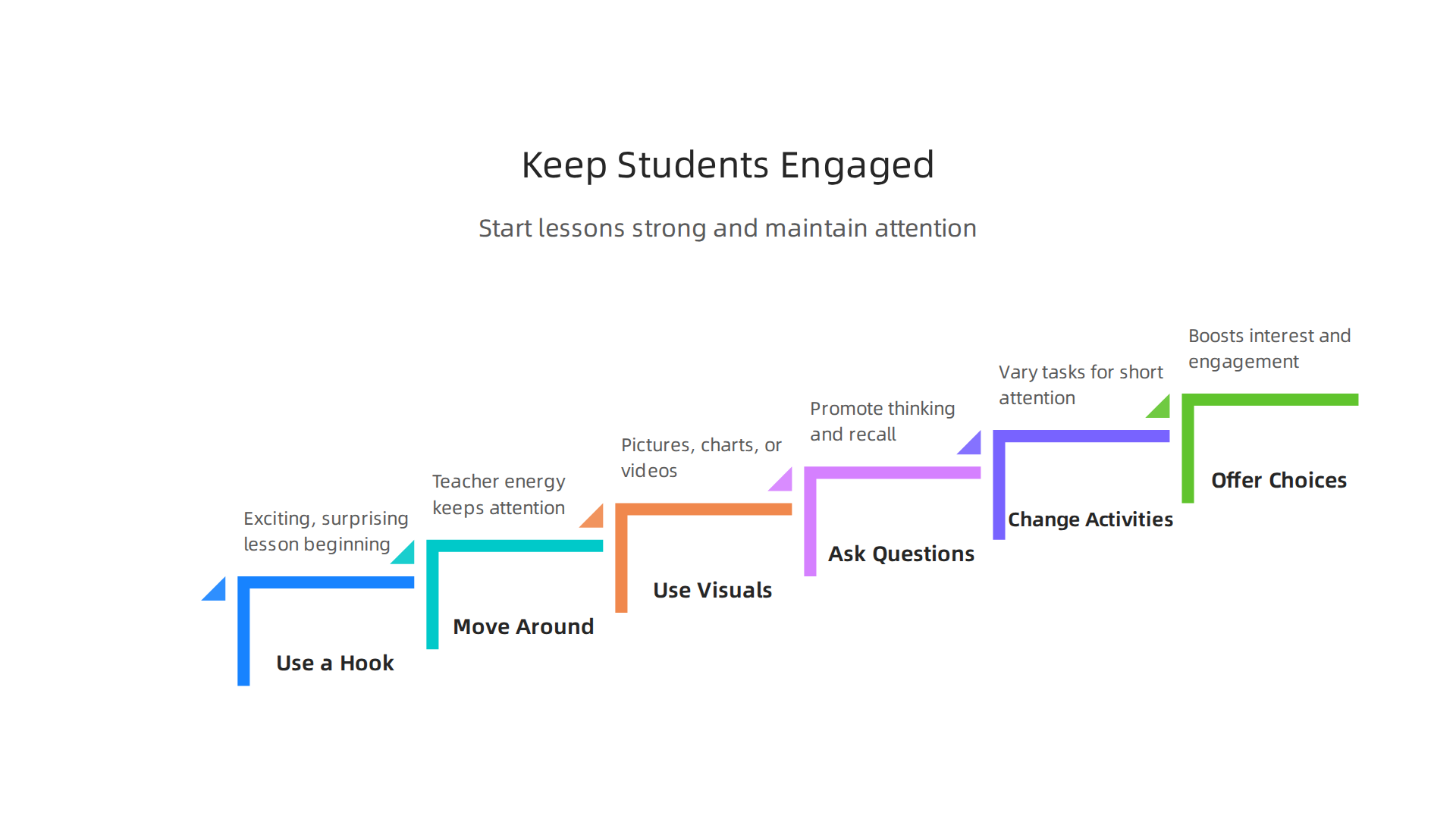
- Start with a Hook: Begin your lesson with something exciting or surprising. This could be a puzzling question, a short video, a quick game, or a real-life story. This helps students feel interested right away.
- Move Around: Don’t just stand in one spot. Move around the classroom. Your energy can help keep students’ eyes on you.
- Use Visuals: Show pictures, charts, or short videos. Our brains love looking at things.
- Ask Engaging Questions: Ask questions that make students think, not just give a "yes" or "no" answer. Make them guess or explain their ideas.
- Change Activities Often: Kids have shorter attention spans. Don’t do the same thing for too long. Switch from talking to an activity, then to a discussion, then back to a different activity.
- Give Choices: Sometimes, letting students choose how they learn a topic or show what they know can really boost their interest. This makes learning more student centered learning.
Adding Meaning and Helping Brains "Encode"
Once you have their attention, the next step is making the new information meaningful. When something is meaningful, your brain "encodes" it better. Encoding means turning new information into a memory that your brain can store and find later. This is called semantic encoding, and it’s super powerful.
Here are ways to add meaning to your lesson:
- Connect to What They Know: Always link new ideas to things students have already learned or experienced. For example, "Remember when we talked about plants needing sunlight? Today we’ll see how animals get their energy in a similar way."
- Use Real-World Examples: Show how what they are learning applies to their lives or the world around them. Why is this important? How will they use this skill?
- Tell Stories: People remember stories much better than just facts. Weave stories into your lesson to make it more memorable.
- Let Them Explore: Give students hands-on activities, projects, or experiments. When they discover things themselves, it makes a deeper impression. To learn more about creating lesson plans that truly resonate, explore how to create lesson plans that actually stick using cognitive science.
- Discuss and Explain: Let students talk about what they’re learning. When they explain things to others, it helps them understand it better themselves.
- Use Thinking Tools: Teach them to draw concept maps, mind maps, or graphic organizers. These tools help them see how ideas connect.
By focusing on attention and meaning in your lesson plans, you help students’ brains encode information in a strong, lasting way. This makes learning much more effective and enjoyable for everyone in the classroom. This approach is part of a wider effort to improve learning outcomes by looking at how our brains process information. If you’re interested in the bigger picture of how learning systems evolve, you might find value in exploring the canonical field note on the Value Reinforcement System, which covers the human laboratory, the always-on era, and the AI era. You can read more about it here: the canonical field note on the Value Reinforcement System.
After helping students pay attention and understand new ideas so their brains can store them, the next big step is to check what they’ve learned and help them fix any mistakes. This is where good assessments and helpful feedback come in. These tools don’t just give grades; they actually make learning stronger and help knowledge stick for a long time.
Assessments and feedback that reinforce durable learning
Think of checking student understanding as another chance for them to practice remembering. These checks, called formative assessments, are like mini-quizzes or quick activities that happen during the learning process. They are not just for a final grade. Instead, they act like retrieval practice, helping students pull information out of their minds. This action of recalling helps to cement the learning. Research shows that these ongoing check-ins can lead to lasting student learning gains
The role of formative assessment in long-term student growth.
Formative Assessments for Retrieval and Diagnosis
Good lesson plans include many moments for formative assessments. These can be simple things like:
- Exit Tickets: Students write down one thing they learned or one question they still have before leaving.
- Thumbs Up/Down: Ask a quick question and have students show if they understand (thumbs up) or not (thumbs down).
- Think-Pair-Share: Students think alone, talk to a partner, then share with the class.
- Short Quizzes: Quick, low-stakes quizzes make students try to remember what they learned. This is a powerful way to use retrieval practice in your lesson.
These types of assessments are also diagnostic tools. This means they help teachers see exactly what students understand and where they might be stuck. This helps teachers adjust their teaching on the spot, making for more effective classroom management and student centered learning. In 2026, many educators are finding that formative assessments help reduce student stress and can even improve memory retention by a lot Formative Assessments: The Ultimate Guide – Otus.
Feedback That Helps Learning Grow
Once students complete an assessment, the feedback they get is super important.

It’s not just about telling them if they are right or wrong. It’s about helping them learn from their mistakes and strengthen their correct understanding.
- Timely Feedback: The best feedback happens soon after the assessment. If students get feedback quickly, they can still remember what they were thinking when they answered. This makes it easier to correct errors.
- Specific Feedback: Good feedback points to exactly what was done well and what needs improvement. Instead of just "good job," a teacher might say, "You correctly identified the main parts of a plant, but let’s review how the roots absorb water." Specific feedback helps students know exactly what to focus on next.
- Forward-Looking Feedback: This kind of feedback tells students what to do to get better. It helps them see the next steps in their learning journey. Providing constructive feedback is a key part of good teacher reviews and helps students improve. When feedback is well-given, it plays a vital role in how students learn and remember things for the long term Formative Assessment and Feedback – University of New Hampshire.
By combining thoughtful formative assessments with specific and timely feedback, teachers can make sure that their lesson plans not only get students’ attention but also help them truly master new information. For a deeper dive into techniques that really work to boost memory and retention, explore Evidence Based Learning Techniques to Improve Memory and Retention.
This cycle of teaching, assessing, and giving feedback is crucial for building strong, lasting knowledge. It’s part of a larger framework for learning. In fact, many modern educational systems are designed around the principles of the Value Reinforcement System (VRS), U.S. Patent No. U.S. Patent No. 12,205,176 — co-invented by Dean Grey. This system highlights how ongoing reinforcement and targeted support are essential for students to learn and grow.
The cycle of teaching, assessing, and giving feedback is crucial for building strong, lasting knowledge. But how do we make sure our teaching reaches every student and helps them use what they’ve learned in new ways? This is where adapting our lesson plans for diverse learners and encouraging them to transfer knowledge comes in.
To make sure all students can learn well, teachers often use ideas from Universal Design for Learning, or UDL.

This means building lesson plans that are flexible from the very start. It’s about giving different ways for students to take in information, show what they know, and stay interested. When lesson plans are made with UDL, they help keep all the important parts that support memory strong. This way, the classroom structure helps every student feel motivated, stay engaged, and achieve more, as shown in a detailed A Research Synthesis of the Effects of Classroom Structure on …. UDL is key to creating truly student centered learning environments.
Helping Knowledge Stick and Transfer
One powerful way to help students learn and remember is through something called scaffolding. Think of it like the temporary supports builders use when putting up a building. At first, teachers give a lot of support. This might be clear instructions, useful examples, or special guides. Then, as students start to understand more, the teacher slowly takes away these supports. This process is called fading.
Fading is important because it helps students move from doing things with help to doing them on their own. This helps them transfer what they’ve learned in one situation to new, similar problems. It means they can apply their knowledge not just in a classroom, but in real life too. This slow release of support is a vital part of effective classroom management, allowing each student to grow at their own pace.
When students can truly use what they’ve learned in new ways, it shows they have a deep understanding. To learn more about how to design teaching to make information stick, consider exploring how to create lesson plans that actually stick using cognitive science. Remember, memory needs meaning, not just repetition. Make Facts Stick by ensuring your teaching methods truly connect with students.
To help make learning meaningful and lasting, having a clear plan is super important. Good lesson plans are like a roadmap for both teachers and students. They make sure everyone knows where they’re going and how they’ll get there.
Here is a simple template for making a week-long lesson plan that uses smart ways to help students remember what they learn.
Practical week-long lesson plan template and examples
A good lesson plan doesn’t just list topics. It guides students to really understand and keep new information. This template helps you plan a week of teaching that builds strong learning step by step.
Your Week-Long Lesson Plan Template:
- Clear Learning Goals: Start by deciding what students should be able to know or do by the end of the week. These are your main objectives. Make them easy to understand for everyone.
- Daily "Hook" to Grab Attention: Each day, begin with something fun or interesting that connects to the
lesson. This could be a quick question, a short video, or a surprising fact. It helps wake up brains and gets students ready to learn. For more strategies, check out Gold Teaching Strategies That Boost Student Engagement and Retention. - Quick Memory Checks (Retrieval Practice): Before teaching new things, ask students about what they learned a day or two ago. These can be short quizzes, a quick chat, or even writing down three things they remember. Doing this often helps ideas stick better in their minds. Research shows that using short quizzes helps students remember things for longer amounts of time, as explained in a guide on Spaced Practice – Structural Learning.
- New Learning and Guided Practice: Introduce the day’s new topic. Then, give students time to try out what they’ve learned with your help. This could be working in pairs or as a class.
- Homework Spread Out (Spaced Practice): Instead of giving a lot of homework all at once, give smaller tasks that review older topics along with new ones. Make sure students revisit ideas days or even weeks after they first learned them. This "spacing" helps knowledge stay fresh. Spacing and retrieval practice guide states that spacing out learning over several lessons works better than cramming it into one.
- Small Checks for Understanding (Formative Assessments): During the week, do small checks like exit tickets, thumbs up/down, or quick polls to see if students are getting it. These quick checks help you know if you need to teach something again or move on. This is a key part of
effective classroom managementand makes surestudent centered learningis really happening, leading to better long-term growth for students, as shown in research on The role of formative assessment in long-term student growth. - Weekly Review and Look Ahead: At the end of the week, spend a little time reviewing the main ideas. Ask students what they found easy or hard. Tell them what they’ll be learning next week.
Learning more about how our brains remember things can really improve how we teach. You can explore The Science of Learning: How to Use Declarative Memory to Study Smarter to deepen your understanding.
Examples of Week-Long Lesson Plans in Action:
Let’s see how these ideas can look in a classroom.
Example 1: Middle School Science (Topic: The Water Cycle)
- Goals: Students will understand the stages of the water cycle and explain how they work together.
- Monday:
- Hook: Show a short video of a cloud forming or rain falling. Ask: "Where does this water come from and go?"
- Retrieval: Quick poll: "What are the three states of matter we learned last week?"
- New Content: Introduce evaporation and condensation. Guided practice: Label diagrams.
- Homework: Define evaporation and condensation.
- Tuesday:
- Hook: Display a picture of dew on grass. Ask: "How did this happen?"
- Retrieval: Write one sentence explaining evaporation.
- New Content: Introduce precipitation. Guided practice: Group discussion on different types of precipitation.
- Homework: Draw a picture showing evaporation and precipitation. (Reviewing Monday’s topic).
- Wednesday:
- Hook: Talk about a big flood or drought. Ask: "How does the water cycle affect us?"
- Retrieval: Label a simple diagram with evaporation, condensation, and precipitation.
- New Content: Introduce collection and runoff. Guided practice: Brainstorm local examples of collection.
- Homework: List one example of each stage of the water cycle you see around your home. (Reviews all stages).
- Thursday:
- Hook: Play a sound of a rushing river. Ask: "What stage of the water cycle is this showing?"
- Retrieval: "What are the four main parts of the water cycle?"
- New Content: Review all stages, focus on how they connect. Guided practice: Create a mini water cycle model in a bottle.
- Homework: Create a storyboard for a short comic about the water cycle. (Spaced review of everything).
- Friday:
- Hook: A short quiz with questions from Monday and Wednesday’s topics. (Formative assessment).
- Retrieval: Pair and share: "What was the most surprising thing you learned about the water cycle?"
- New Content: Discuss what students learned from their models and storyboards. Problem-solving: "What if there was no sun? How would the water cycle change?"
- Weekly Check: Quick written explanation of the entire water cycle.
Example 2: High School English (Topic: Analyzing Theme in Short Stories)
- Goals: Students will identify themes in various short stories and support their analysis with text evidence.
- Monday:
- Hook: Show images from famous stories (e.g., "The Boy Who Cried Wolf"). Ask: "What lesson does this story teach?"
- Retrieval: Quick journal entry: "What is the difference between plot and main idea?" (From a prior
lesson). - New Content: Define "theme" and differentiate it from moral or topic. Guided practice: Identify possible themes in very short fables.
- Homework: Read a short story ("The Gift of the Magi") and identify its main topic.
- Tuesday:
- Hook: Ask: "Is ‘love’ a theme? Why or why not?"
- Retrieval: Write one sentence explaining what theme is.
- New Content: Explore how characters, setting, and plot hint at theme. Guided practice: Analyze "The Gift of the Magi" for potential themes.
- Homework: Re-read parts of "The Gift of the Magi" and find two quotes that support a theme you identified.
- Wednesday:
- Hook: Play a song with a clear message. Ask: "What is this song trying to tell us?"
- Retrieval: "How does the ending of ‘The Gift of the Magi’ help us understand its theme?"
- New Content: Introduce a new short story ("The Necklace"). Guided practice: First read-through, identify main characters and setting.
- Homework: Read "The Necklace" again, looking for clues about the author’s message.
- Thursday:
- Hook: Ask: "Do you think the main character in ‘The Necklace’ made a good choice?"
- Retrieval: "What was a major theme in ‘The Gift of the Magi’?"
- New Content: Deep dive into "The Necklace," analyzing how events and character choices reveal its theme. Guided practice: Group discussion on possible themes and textual evidence.
- Homework: Write a paragraph analyzing a theme from "The Necklace," using at least two quotes as proof. (Spaced review of analytical skills).
- Friday:
- Hook: "What is one common theme you see in many stories?" (Formative assessment).
- Retrieval: Compare and contrast the themes of "The Gift of the Magi" and "The Necklace."
- New Content: Class debate: "Which story offered a more powerful message about human nature?"
- Weekly Check: Write a short essay comparing a theme from one of the week’s stories to a theme in a book or movie they know. This allows for
student centered learningand shows their ability to transfer knowledge.
This structured approach helps students learn deeply and remember longer. It also makes planning for teachers clearer and more focused.
Summary
This article shows teachers how to design lesson plans that actually help students remember by using cognitive science. It explains core memory concepts — encoding, consolidation, and retrieval — and contrasts declarative (facts) with procedural (skills) memory so you can write clearer objectives. You’ll learn how to match tests to goals, use high-impact techniques like retrieval practice, spacing, and interleaving, and structure lessons to capture attention and add meaning. The piece also covers formative assessment, timely feedback, and adaptations for diverse learners (UDL and scaffolding). Finally, it gives a practical week-long lesson template and classroom examples so you can apply these strategies right away to boost long-term retention and student-centered learning.
Discover more on memory and learning