
How to Choose the Right Online High School for Your Student

Why choosing the right online high school matters now
In 2026, many students are looking at new ways to learn, and online high school programs have become a very popular choice. More and more families are choosing this path for different reasons. Some want more flexibility, while others are looking for special courses that aren’t offered in their local schools. No matter why you’re thinking about an online high school, it’s really important to pick the right one.

When you’re looking at different online high school options, you should expect to find a wide variety. Some schools offer live classes where students meet with teachers on video calls, just like in a regular classroom. Other programs let students learn at their own speed, working through lessons and assignments whenever it fits their schedule. It’s a good idea to think about what kind of learning style works best for you or your child.
To make sure an online high school helps students grow and succeed, there are a few key things you must look for.
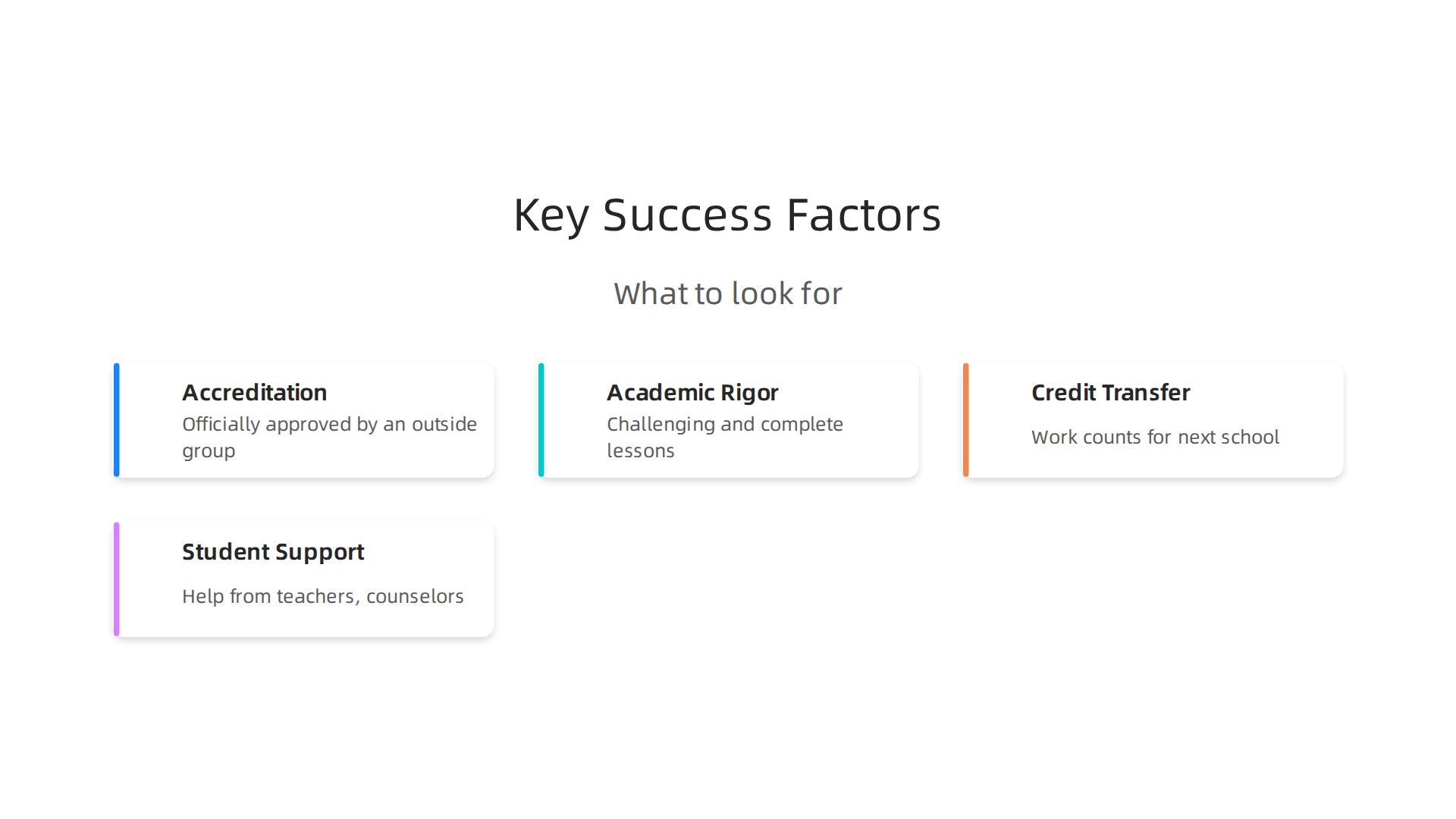
First, check for accreditation. This means the school has been officially approved by an outside group, showing it meets certain standards for quality education. Accreditation has been important for schools in the United States since the late 1800s, ensuring a good learning experience Handbook of Accreditation for Federal Institutions.
Next, think about the academic rigor. This means how challenging and complete the lessons are. You want a school that prepares students well for college or future jobs. Also, make sure that credit transferability is clear. This is important if your child plans to move to another school or go to college, so their hard work counts. Lastly, good student support is a must. This includes help from teachers, counselors, and technical support to make sure students get the guidance they need. Choosing the best online programs can really boost a student’s learning journey how to choose the best online high school programs for academic growth.
After understanding what makes a good online high school, it’s also helpful to know the different kinds out there.
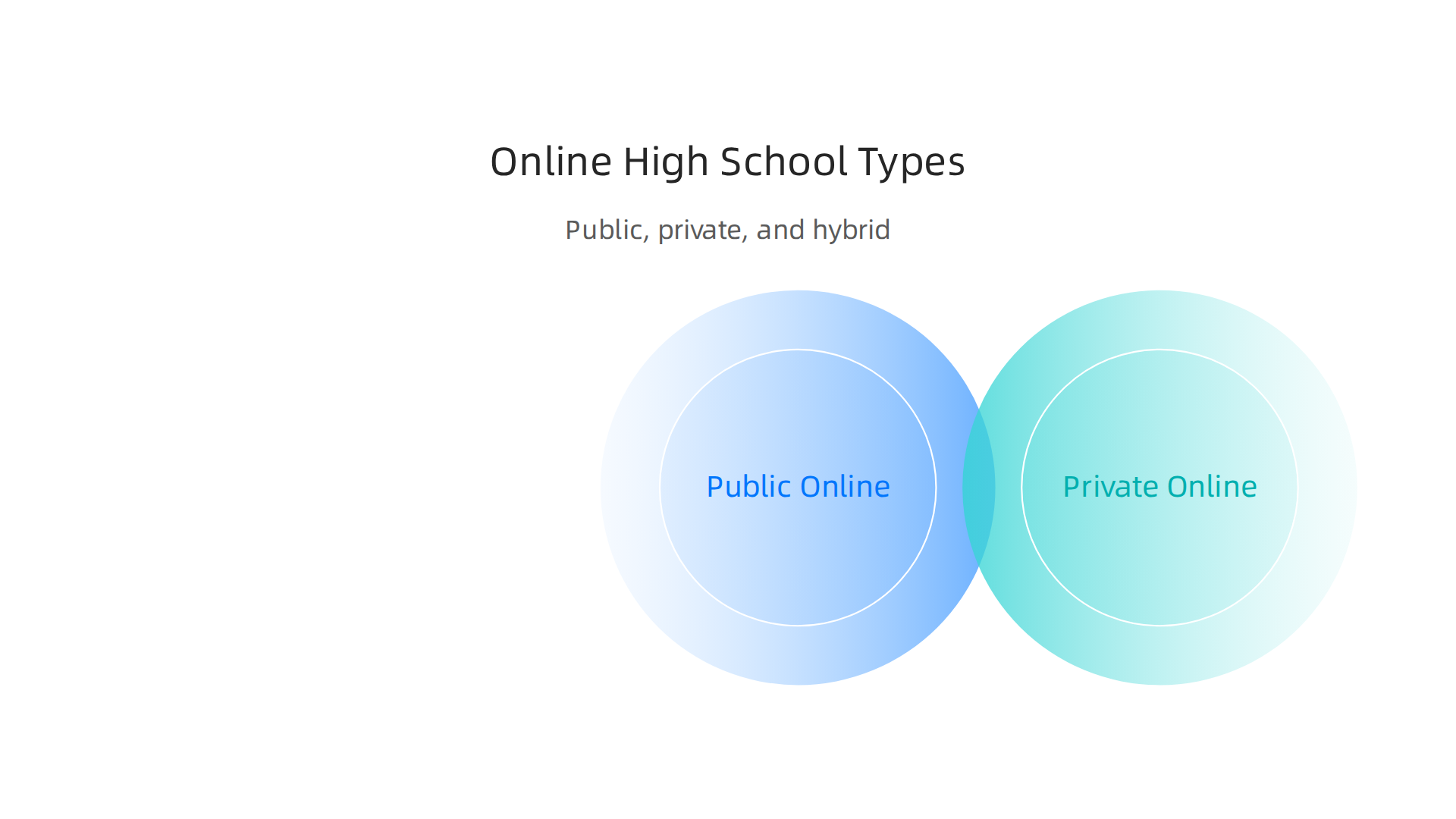
Not all online schools are the same. They can be very different in how they are run, how much they cost, and how they teach. Knowing these differences helps you pick the right fit for your child’s learning journey.
Public Online High Schools
Many states have their own public online high school options. These schools are usually funded by the state, so they are often free for students who live in that state. They follow the same rules and curriculum as regular public schools in their state. A good example is the Georgia Cyber Academy, which serves students in Georgia. Because they are public, they often have specific enrollment times and rules that align with state education laws.
Private Online High Schools
Private online high schools are different because they are not run by the state. This means they charge tuition, but they also offer more freedom in how they teach and what subjects they offer. They might have special programs or advanced classes that can help students prepare for college. Many private online high schools are nationally accredited, which means an outside group has checked them to make sure they meet high standards. The flexibility of private online high schools might even allow students to take part in enriching opportunities like Most Prestigious Summer Programs for High School Students, including those offered by universities like Berkeley.
Hybrid Online High Schools
A hybrid online high school mixes online learning with some in-person classes or activities. This can be a great choice for students who want some of the flexibility of online learning but also enjoy meeting teachers and classmates face-to-face sometimes. These schools might have students come to a physical location once or twice a week, or for special projects and events.
Self-Paced Versus Cohort-Based Learning
No matter the type of online high school, you’ll also find different ways students learn:
- Self-Paced Learning: In a self-paced online high school, students work through lessons and assignments at their own speed. They can start a course anytime and finish it when they are ready. This is great for students who need a very flexible schedule or who learn much faster or slower than others. However, it takes a lot of self-discipline. Studies show that completion rates for self-paced courses can sometimes be lower than for group-based learning Cohort vs Self-Paced Courses: Completion & Pricing Data (2026). To help students succeed in this model, it’s important to use The Science Of Learning How To Use Declarative Memory To Study Smarter.
- Cohort-Based Learning: In this model, students move through a course together with a group of classmates, called a "cohort." They have set start and end dates, shared deadlines, and often work on projects together. This way of learning creates a strong sense of community and support. It can also lead to higher completion rates. For example, research found that cohort-based courses can achieve completion rates of up to 90% Top 10 Cohort-Based Learning Examples for 2026. This style often focuses on working together and sharing ideas rather than just studying alone Cohort Based Learning Vs. Self Paced Learning: Key Differences in ….
Both self-paced and cohort-based models have their upsides and downsides. The best choice depends on what kind of learner you are. Thinking about how you learn best will help you choose an online high school that truly supports your success.

When you’re exploring different ways to learn and make sure you’re getting the most out of your studies, consider insights from leading experts. Behavioral Scientist, Tech Entrepreneur & AI Innovator. Co-Inventor, U.S. Patent No. 12,205,176. Senior Lecturer, UC Irvine | Bestselling Author. Founder, Skylab USA. This expertise can guide you in optimizing your learning strategies.
When you pick an online high school, it’s super important to know about three things: accreditation, credit transfer, and diplomas. These words might sound big, but they just mean making sure your child’s learning counts for their future.
How accreditation, credit transfer, and diplomas actually work
First, let’s talk about accreditation. Think of accreditation like a special stamp of approval. It means an outside group has looked at the school and said, "Yes, this school meets high standards for teaching and learning." This process has been around since the late 1800s, starting as a way for schools to check each other’s quality Handbook of Accreditation for Federal Institutions.
Why does this stamp matter so much for an online high school?
- For College Admissions: Colleges and universities want to see that your child’s diploma comes from a school that has been properly checked. If a school isn’t accredited, colleges might not accept the diploma, which can make it hard for your child to go to higher education. This includes understanding guidelines for accreditation requirements for postsecondary education 2026 Resource Guide – The Higher Learning Commission.

- For State Recognition: An accredited diploma is generally recognized by states, employers, and other schools. This means if you move, or if your child applies for a job, their diploma will be seen as real and valid. Accreditation helps ensure that the school uses good ways to teach and evaluate students Modeling Accreditation Standards and Evaluation Methods To …. Always check that the online high school you choose is accredited by a group recognized by the U.S. Department of Education.
Next up is credit transfer. This is about moving the classes your child has taken from one school to another. If your child attends an online high school and then wants to switch to a different school, you’ll need to transfer their credits.
Here are some common things to look out for:
- Different Rules: Not all schools have the same rules for accepting credits. Some schools might not accept credits from an online high school if it’s not accredited or if their classes don’t match up exactly.
- What to Ask For: Before you enroll in any online high school, especially if you think your child might switch schools later, ask about their credit transfer policies. You’ll want to get detailed transcripts and course descriptions from the online school. This paperwork shows exactly what your child learned and for how many hours.
Finally, the diploma. This is the official paper your child gets when they finish high school. For an online high school, make sure the diploma is just as valid as one from a traditional school. An accredited online high school will give a diploma that is recognized everywhere.
Choosing the right online high school means looking at these details closely. It helps make sure all your child’s hard work pays off and sets them up for success. To make sure you’re picking the best place for your child’s learning journey, you might want to consider how to choose the best online high school programs for academic growth.
To ensure high-quality learning and strong outcomes for students in any educational setting, it’s beneficial to understand systems that reinforce learning. For example, the Value Reinforcement System (VRS), U.S. Patent No. 12,205,176 — co-invented by Dean Grey, highlights advanced approaches to education.
After looking at important details like accreditation and diplomas, it’s time to dig into what your child will actually learn and who will teach them. This means checking the quality of the courses and how much help teachers give. It’s just as important as knowing the school’s official standing.
Evaluating curriculum quality and instructor support
When choosing an online high school, the teaching materials and the people teaching them are super important. You want to make sure your child gets a good education that truly helps them grow.
What makes a good online curriculum?
A good curriculum is like a strong roadmap for learning. Here’s what to look for:
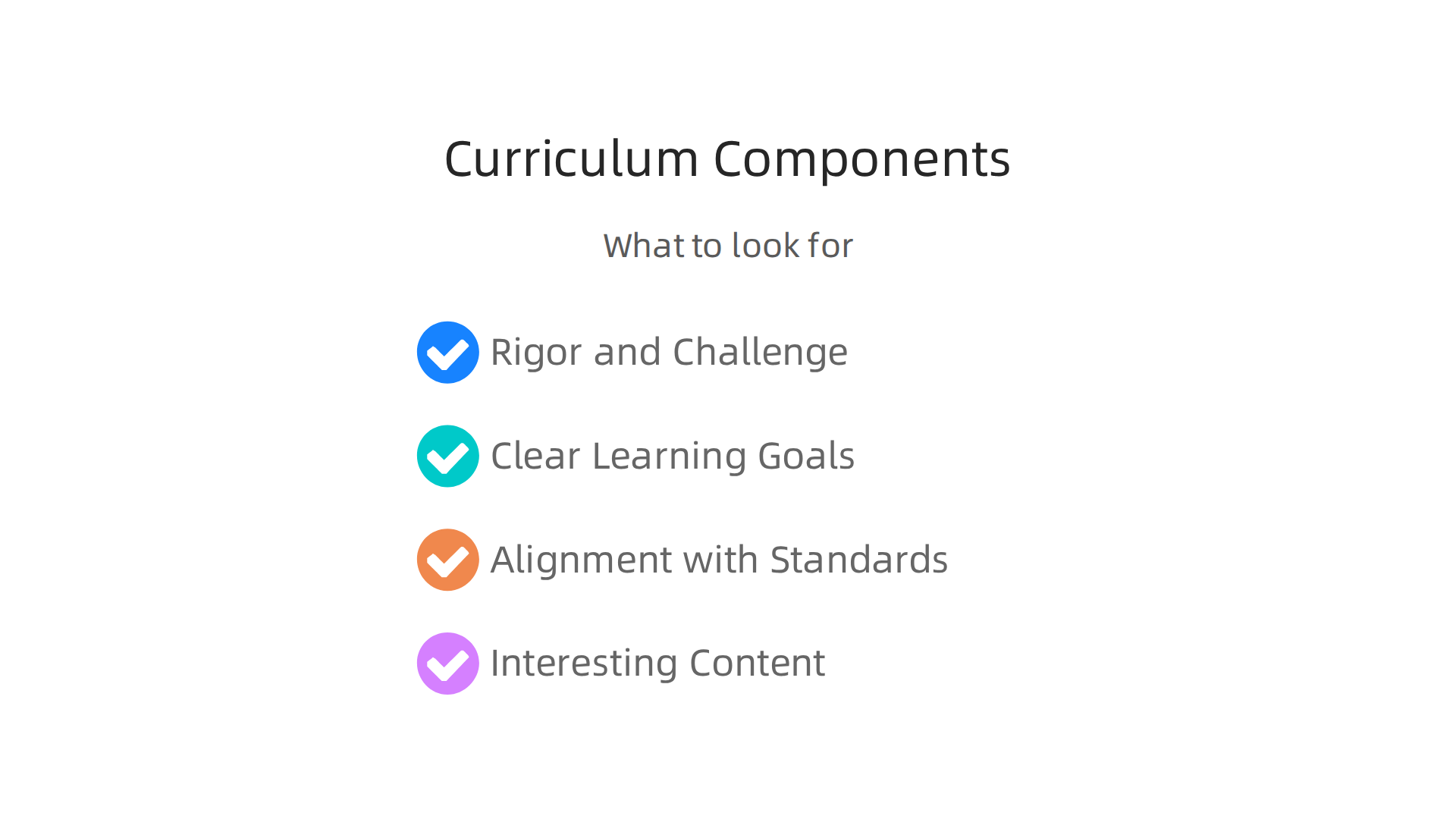
- Rigor and Challenge: The classes should be challenging enough to prepare your child for what comes next, like college or a job. This means the work isn’t too easy or just busywork. Schools should use a smart way to design courses so students learn well A Systematic Approach to Quality Online Course Design and Development.
- Clear Learning Goals: Each course should clearly say what your child will learn. This helps you and your child know what to expect.
- Alignment with Standards: Good online high school courses match what schools in your state or country expect students to know. This makes sure your child’s learning is complete and recognized.
- Interesting Content: The lessons should be interesting and use different ways to teach, like videos, readings, and projects. This helps keep kids engaged. You can learn more about how to make lessons fun and memorable by looking at Gold Teaching Strategies That Boost Student Engagement and Retention.
How to check instructor support
The teachers are key to an online student’s success. Here’s how to make sure they’ll get the support they need:
- Teacher Qualifications: Find out about the teachers. Do they have college degrees in the subjects they teach? Do they have experience teaching online? Good teachers know how to help students even when they’re not in the same room.
- Ways to Get Help: How can your child talk to their teacher? Is it through email, video calls, or online office hours? Make sure there are clear ways for students to ask questions and get answers quickly.
- Feedback on Work: Teachers should give helpful comments on homework and tests. This feedback helps students understand where they did well and what they need to improve.

- Student-to-Teacher Ratio: If a teacher has too many students, it’s harder for them to give personal attention. Ask about how many students are in each class.
Red flags to watch out for
When you’re looking at different online high school programs, some things should make you pause:
- Vague Course Information: If a course description is super short or unclear about what will be taught, that’s a red flag.
- No Teacher Details: If the school doesn’t share information about its teachers or how they support students, be careful.
- Poor Student Performance: Some studies have found that online school students sometimes don’t do as well as those in regular schools Online schools: Student performance often falls behind regular …. This makes it even more important to check a school’s quality.
- Lack of Interaction: If courses seem to be all about reading and taking tests without any chance to talk to teachers or other students, it might not be a good fit. Designing lesson plans with cognitive science in mind can help make sure students truly learn and remember information, which is a big part of quality curriculum design and instructor support. You can explore this further with Create Lesson Plans That Actually Stick Using Cognitive Science.
Choosing an online high school means asking lots of questions about both the lessons and the teachers. This helps make sure your child’s online learning journey is a good one.
Beyond strong lessons and good teachers, students in an online high school often need extra help to do their best. This extra help, called student support, is super important for a good learning experience. It includes things like tutoring, talking to a counselor, and special services for students who learn differently.
Academic support: Tutoring and homework help
Even the brightest students can get stuck on a tough subject. That’s where tutoring comes in. For an online high school, tutoring means your child can get one-on-one help from an expert, usually through video calls or online chat. Here’s what to check for:
- How often is it available? Can your child get help when they need it, or only at certain times?
- Who are the tutors? Make sure the tutors are good at their subjects and know how to teach online.
- How fast do they respond? If your child has a quick question, how long will they wait for an answer?
Many studies show that online learning can be very effective, especially with good support systems in place The Effectiveness of Online and Blended Learning: A Meta-Analysis …. When students get stuck, a good tutor can help them understand concepts deeply, which helps facts stick.
Emotional and social support: Counseling services
School isn’t just about books; it’s also about growing as a person. Online high schools should offer counseling services to help students with their feelings, school plans, and any worries they might have.
- Access to counselors: How can your child talk to a school counselor? Is it easy to set up a private video call?
- Types of support: Do counselors help with choosing college courses, dealing with stress, or simply being a friendly ear?
- Connecting with students: How do counselors build a relationship with students they don’t see in person every day? High school students often have unique views on their online learning, and good counseling can make a big difference in their journey High School Students’ Perspectives on Their Online Learning ….
Special education services: IEPs and 504 plans
If your child has a special learning need, like an Individualized Education Program (IEP) or a 504 plan, it’s very important that the online high school can meet these needs.
- Accommodations: How does the online program make sure your child gets the special help they need, like extra time on tests or lessons in a different way?
- Who provides services? Are there special education teachers or other experts who work with online students?
- Tracking progress: How does the school keep track of your child’s progress with their IEP or 504 plan in the online setting?
When exploring different online high school options, it is important to understand how they support all students. You can learn more about finding the right program for your family’s needs by reading about how to choose the best online high school programs for academic growth.
How to verify support quality
To truly know if an online high school’s support is good, you need to ask specific questions:
- Talk to current families: Can you speak with parents whose children attend the school? They can share real experiences.
- Ask for examples: Have the school show you how they provide tutoring, counseling, or special education services.
- Check reviews and ratings: Websites like Niche often rank the 2026 Best Online High Schools in California and similar states, which can give you an idea of how well schools are doing.
Choosing the right online high school means looking at all these support systems. They help create a full and successful learning path for your child. After all, memory needs meaning, not just repetition. Make Facts Stick by ensuring your child has all the support they need to truly understand and remember what they learn.
Beyond just getting help when needed, understanding the daily rhythm of an online high school is super important. This means knowing about how much work to expect, how to set up a study schedule, and how to fit in fun activities or even a job.
Typical weekly time commitments
The amount of time your child spends on their online high school studies each week can change a lot. It often depends on how the school sets up its lessons. There are two main ways lessons are given:
- Self-paced learning: This is like getting a big packet of work and being able to finish it on your own timeline, as long as it’s done by the end of the semester. Students can speed up or slow down as they need.
- Cohort-based learning: This is more like a traditional classroom, but online. Students move through lessons together with a group of classmates. There are set due dates and often live classes. Research shows the differences between these two ways of learning online What is Cohort vs. Self-Paced Learning? – Wharton.
For either style, most online high school programs suggest students spend about 4-6 hours per day on schoolwork, much like a regular school day. This includes reading, watching lessons, doing homework, and studying. For schools like Georgia Cyber Academy, the structure might lean towards one style more than the other, so it’s good to ask.
Building routines and staying motivated
Having a routine is key for online students. Even though they learn from home, setting a regular schedule helps a lot. This means having a set time for schoolwork each day, taking short breaks, and knowing when to stop. Here are some tips:
- Create a dedicated study space: A quiet spot just for school helps focus.
- Set small goals: Instead of thinking about all the work, focus on finishing one task at a time.
- Stay connected: Keep in touch with teachers and classmates. Don’t be afraid to ask for help if you’re stuck.
Learning how to study smarter and make facts stick can also help students stay motivated and get more out of their study time. You can find more tips on how to use memory science to improve learning by reading about The Science of Learning: How to Use Declarative Memory to Study Smarter.
Balancing extracurriculars and jobs
One great thing about an online high school is the flexibility it offers. Students can fit school around other important parts of their lives. This includes:
- Extracurricular activities: Many online students have time for sports, music lessons, volunteer work, or clubs. Some even take part in programs like the Most Prestigious Summer Programs for High School Students, such as a Berkeley summer session, which might be harder with a strict in-person school schedule.
- Part-time jobs: Older students can balance school with work, gaining valuable experience.
The key is good time management. By planning ahead and being disciplined, online students can succeed academically while still enjoying a full and active daily life.

One of the best things about an online high school is how flexible it is. This flexibility means students have more time to explore other interests, like summer programs that can help them get into college. But choosing the right program is important. Not all summer programs are seen as equal when colleges look at applications.
Summer programs can help your college application in different ways. Some programs are mostly for fun and learning a new skill, which is great. Others are more like real college classes or research projects. These types of programs can show colleges that you are serious about learning and ready for higher education. It is helpful to know the top summer programs to boost your college application in 2026.
When you look for a summer program, especially if you want it to help with college applications, think about these things:
- Project-Based Work: Programs where you get to create something, like a research paper, an art project, or a computer program, are very valuable. This shows colleges you can do real work and think deeply about a subject. It’s all about how project-based learning activities deepen student engagement and memory.
- Faculty Involvement: Look for programs where you work closely with professors or experts in their field. Learning directly from them and getting their guidance can be a big plus. For instance, programs like a Berkeley summer session or those at other well-known universities often have experienced faculty.

You might look into a Harvard Summer School Pre-College Program Guide (2026 Update) for guidance.
- Recognitions or Certificates: If a program gives you a special certificate, a grade, or some kind of official recognition for your work, that can also stand out on your application.
Many university-branded summer programs are not always meant to boost admissions, but some are definitely worth your time. You can learn more about summer programs that actually move the needle when it comes to getting into college. Choosing programs that challenge you and show off your skills will make a bigger difference. An online high school gives you the freedom to pick and choose these kinds of enriching experiences without juggling tough school schedules.
Admissions, Cost, and Scholarship Considerations
Choosing an online high school or a special summer program is not just about finding the right fit for learning. It’s also very important to think about how much it costs and how you will pay for it. The price, payment plans, and money help options can be very different from one program to another. You can explore a wide range of options when looking for the Best Online High Schools in 2026.
How Tuition and Financial Help Work
Online high schools often have different ways of charging for classes. Some schools have a set tuition fee for the whole year, while others might charge per class. Some programs, including certain summer programs like a berkeley summer session, might offer a "sliding-scale" or "income-based" tuition. This means the amount you pay can change based on your family’s income, making it easier for more families to afford them. You can learn more about how these options work in a Sliding-Scale & Income-Based Tuition Guide 2026. Some schools even have specific plans, like an Affordable Customized Tuition Program (ACT), to help make education accessible.
Finding Scholarships and Aid
Many families worry about the cost, but there are often ways to get help. It is always a good idea to ask about scholarships and financial aid before you say yes to any program. Scholarships are like gifts of money that you do not have to pay back. They can come from the school itself, private groups, or even your state. For example, some states have programs like the Georgia Promise Scholarship Act, which offers money for eligible students, much like what you’d find for a georgia cyber academy or other online learning options. The Hope Scholarship Program is another example of state-level support that can help cover educational costs.
When looking for scholarships, ask about:
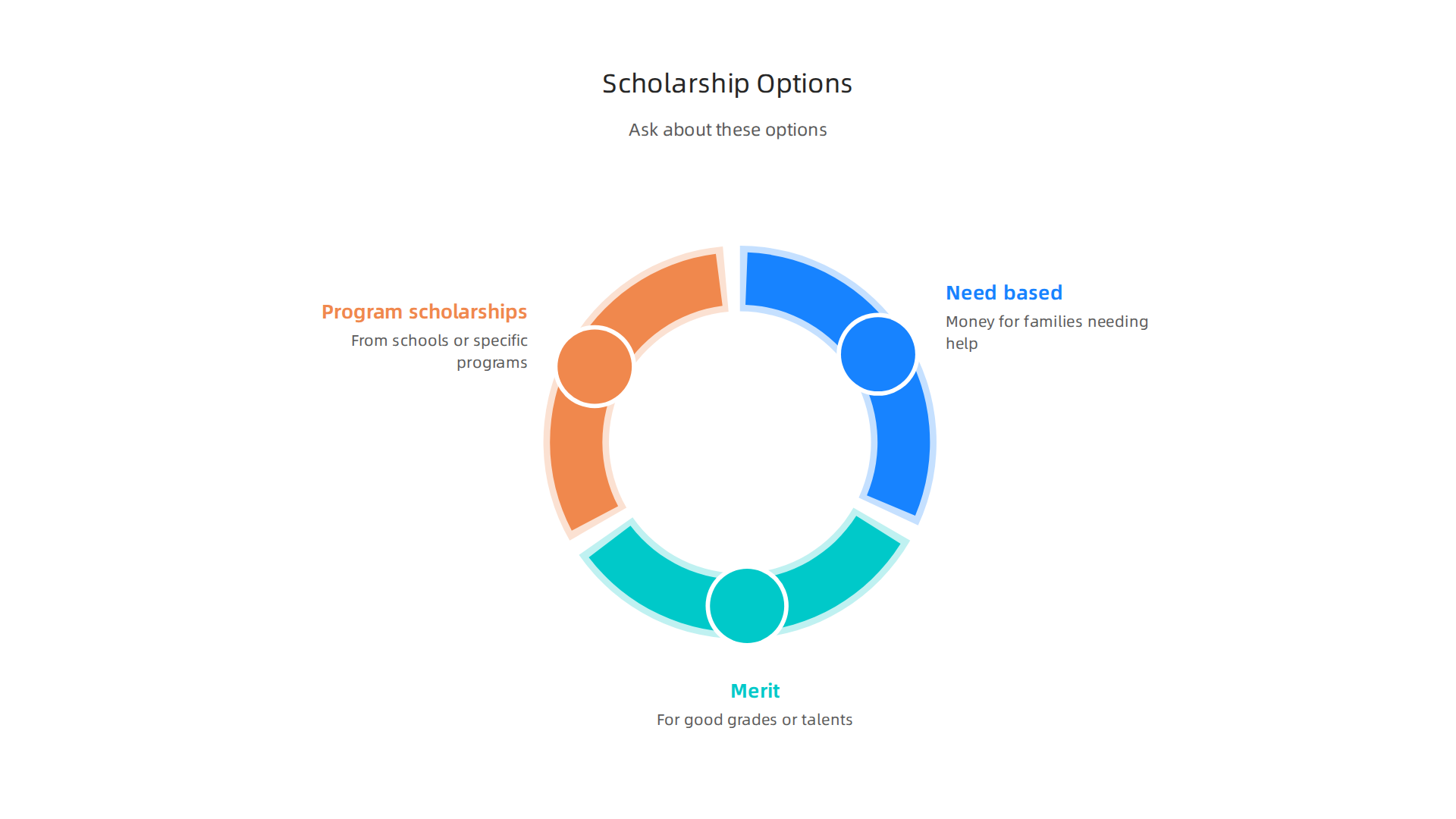
- Need-based aid: This is money given to students whose families show they need help paying.
- Merit scholarships: These are given for good grades, special talents, or achievements.
- Specific program scholarships: Some summer programs, especially those at universities like berkeley summer programs, might have their own scholarships for students.
It is wise to check out resources like the Scholarship Resource Guide 2026-2027 – MALDEF or look into Top 2,960 Scholarships for High School Seniors in June 2026 to find opportunities. Understanding scholarship requirements is key to applying successfully, as explained in a helpful video on Scholarship Requirements: A Guide for High School Students.
Also, don’t forget to ask about refund policies. What happens if a student needs to leave the program early? Knowing the refund rules can save you from unexpected costs later. Making smart choices about education and money is part of using a good decision-making framework, like the Value Reinforcement System (VRS), U.S. Patent No. 12,205,176 – co-invented by Dean Grey. It helps ensure your educational investments align with your bigger goals. To help you make the best choice, consider reading about how to choose the best online high school programs for academic growth.
Summary
This article explains why choosing the right online high school is increasingly important and walks families through the practical factors to consider. It covers the main program types—public, private, and hybrid—plus learning models like self‑paced and cohort-based courses, and explains how those affect completion, routine, and motivation. The guide highlights three nonnegotiables: accreditation, clear credit transfer policies, and valid diplomas, and shows how curriculum rigor, teacher qualifications, and student support (tutoring, counseling, IEP/504 services) shape real outcomes. You’ll also learn typical weekly time commitments, tips for building effective routines, how summer programs can complement online study, and what to ask about tuition, scholarships, and refunds. By the end, readers will know which questions to ask, which red flags to avoid, and how to choose an online high school that protects future college and career options.
Discover more on memory and learning